
TRAVEL & LOCAL DISCOVERIES
Pasar Payang or the State Museum First? A Kuala Terengganu Itinerary for Changeable Weather
Fit Pasar Payang and the Terengganu State Museum around opening days, safe travel and your return bus or flight. Includes a two-stop decision sheet.
Little things.
Local knowledge.
plazaclass.
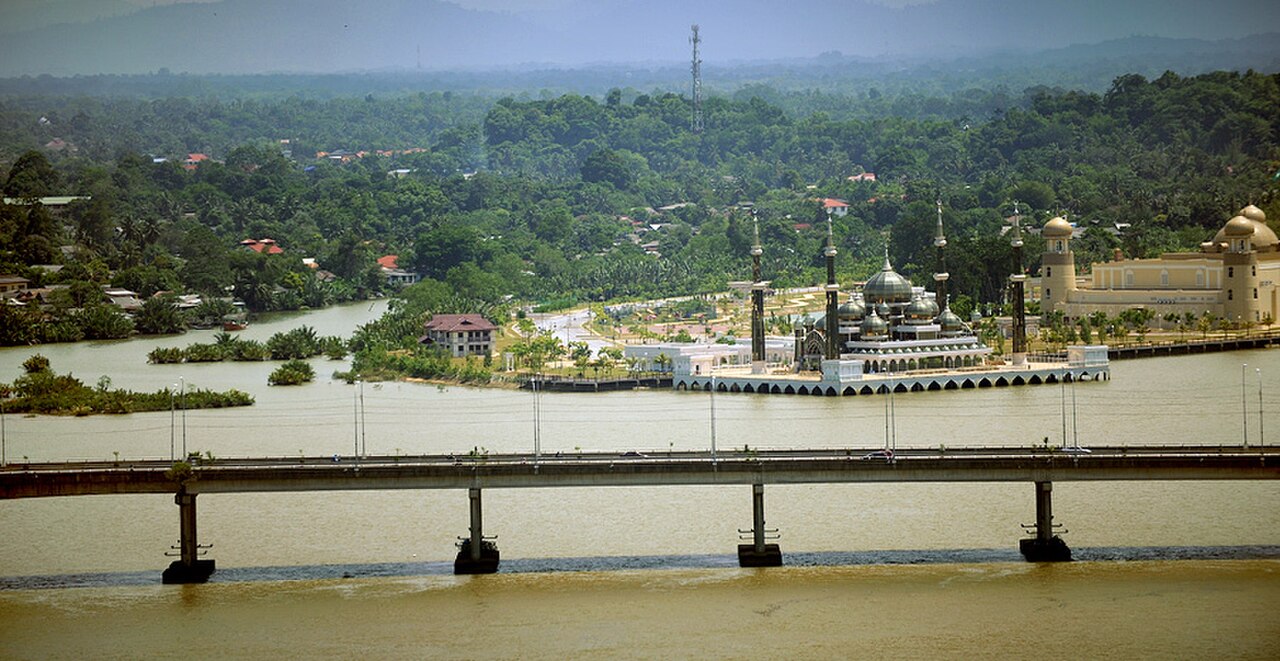

Pasar Payang and the Terengganu State Museum make a good pair if you have time for a proper journey between them. They do not make a single covered walking route. One visit revolves around conversation and shopping in the city; the other takes you to a museum complex in Bukit Losong. Choose which one would be worth the day by itself, check its opening arrangements and leave room to drop the other. If roads or weather make travel unsafe, do not leave a safe place just because a gallery sounds like an indoor alternative.
For a Friday visit, check the museum especially carefully before treating it as your rainy-day plan. The state museum’s visitor FAQ lists Friday among its gallery closures. Confirm current notices and holiday arrangements for your date, rather than assuming every day of a short holiday is interchangeable. A market stall also has its own operating decisions; a general opening time for Pasar Payang does not promise a particular trader will be there.
Decide by closure, purpose and the last journey
| Situation this morning | Sensible first decision | Keep this in reserve |
|---|---|---|
| A particular gallery is your main reason to visit | Confirm its availability and latest entry, then visit the museum first | Market browsing if the return route still works |
| You need a gift that can travel home with you | Start with the market and set a shopping cutoff | Museum only if there is a full usable visit left |
| Heavy weather or disruption affects transport | Check local guidance and whether it is safe to move at all | Postpone either or both stops |
| Your bus or flight cannot move | Work backwards from when you must reach the departure point | One stop instead of two if margins shrink |
| You have another day in the city | Put each stop on the date that suits its opening and your group | A slower meal without checking the clock at every stall |
Choose your last transfer before arranging your first. If someone is collecting you with bags at the hotel, that is the real finish line, not the museum exit or the market aisle. If your guesthouse asks you to collect luggage by a certain time, write that down. A trip ending at a coach terminal is different from one ending at Sultan Mahmud Airport. “Home after lunch” is too vague for deciding whether a second stop is a realistic addition.
Museum first: give one collection room to breathe
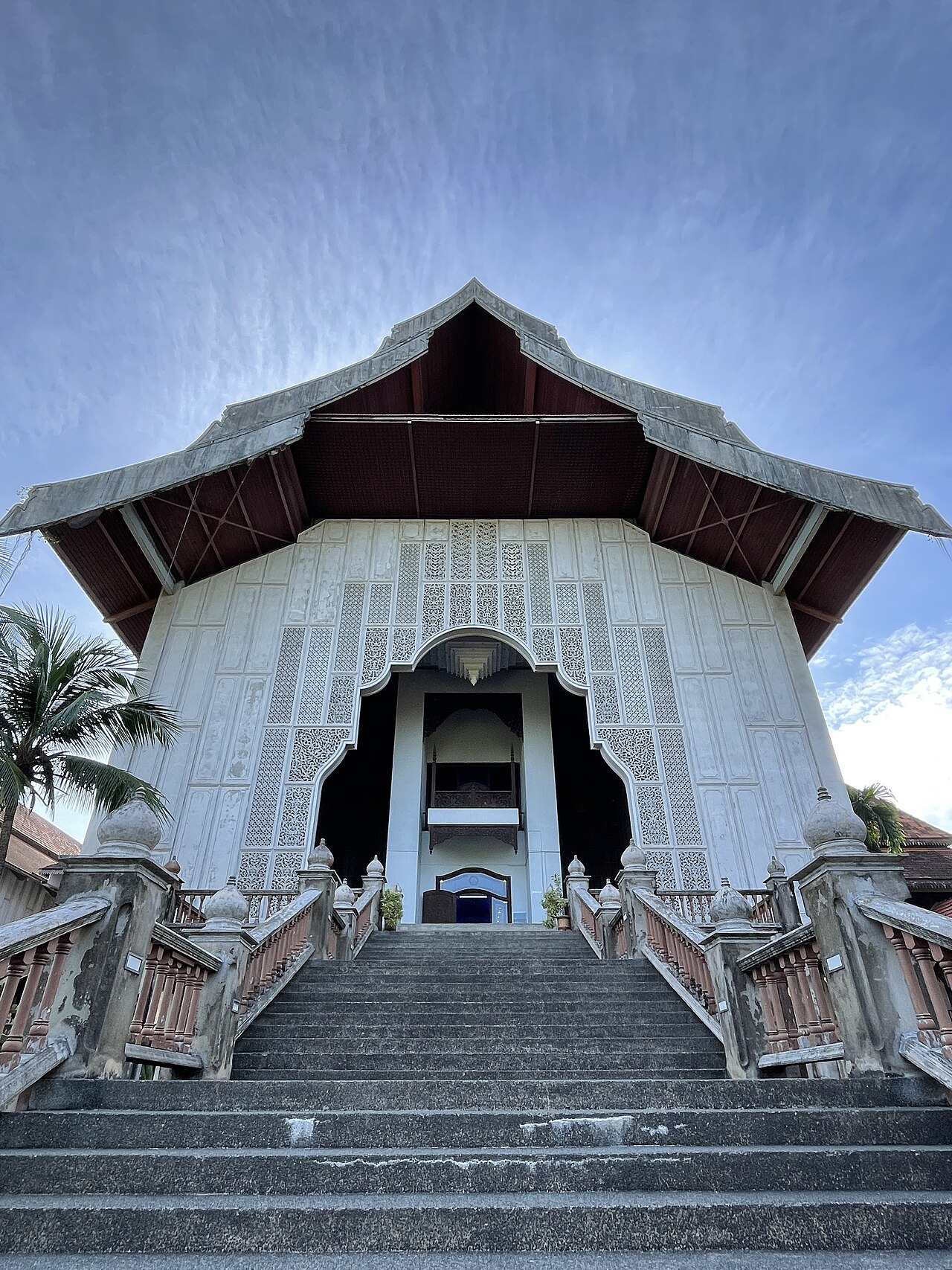
Save the name of the Terengganu State Museum and its Bukit Losong address. Confirm the gallery you care about, not just whether the general site appears open online. Ask how far the drop-off is from the entrance and whether any outdoor sections are involved in the visit you have in mind. Someone with an umbrella and a light backpack faces a different journey from a family carrying a stroller and luggage. Neither should count on storage or a covered route unless the venue confirms it.
Locate the state museum at Bukit Losong ↗
Once inside, limit yourself to one question if the day is short. Perhaps you would like to understand how local people used boats, or how a textile was made or worn. Start with the open exhibition that answers that question. Read a label, compare two objects and write down one unfamiliar word to look up later. A focused forty minutes can be more satisfying than rushing past every room; the time is an example of pacing, not a guaranteed minimum duration.
Make an explicit decision at the exit. Check the current weather and route, ask how long a pickup may take, and confirm who still wants to go to the market. If the last transfer is already tight, do not call the market your “next stop” and leave the actual decision to the driver. Go to lunch, retrieve your bags or head back as appropriate. The first stop has already done its job.
Market first: plan an exit as well as a shopping list
The Tourism Malaysia guide to Kuala Terengganu describes Pasar Payang’s mix of textiles, crafts and foods. Your task can be much smaller than “shop the whole market”: compare two suitable scarves, buy one packaged food someone asked for, or simply learn a little about a craft. If a seller is busy, step aside and return later instead of blocking the aisle to discuss how much time the family has left.
Locate Pasar Payang in the city ↗
On arrival, choose a meeting sign and give the group a time to be there. Then choose how purchases will travel. A delicate cloth should not be stuffed into the same bag as damp snacks; a bulky basket may be awkward in a gallery. If shopping is the priority and you buy more than planned, taking things back to your accommodation may be the sensible second stop. A museum ticket is not a storage solution. Ask about bag arrangements rather than assuming you can leave purchases at reception.

A workable cutoff, using your own timings
Imagine a family wants to be back at the hotel with bags ready by 2.30 pm. They reserve 30 minutes for collecting luggage, changing or using the bathroom and confirming transport. That makes 2 pm the latest arrival they are planning around at the hotel, not the time to start leaving the museum. Next they allow an amount for the actual journey and waiting for a vehicle, based on conditions that day. Only then can they calculate how much time remains for the second venue.
Suppose their current journey estimate and pickup allowance together are 40 minutes. Their latest planned departure from the last venue would be about 1.20 pm, with any additional safety margin added before that. If they reach the second venue around 1.05 pm, fifteen minutes is not a meaningful visit for this family. They skip it. These are planning numbers to show the calculation, not published Kuala Terengganu travel times or a recommendation to cut transport close.
Rain changes the connections as well as the attractions
Most of a market browse or museum gallery visit might be under cover. Your path from a vehicle, walk between buildings and wait for the next pickup may not be. A plan can look dry on paper and still require several exposed transfers. Rather than guessing where an entire route is covered, ask each venue about the particular entrance you intend to use. A driver may have to use a different permitted point if access roads are busy or restricted.
If weather worsens during a visit, gather the group in an appropriate permitted place, check local guidance and review the next transfer. Do not rush people across a wet road to catch a ride or approach a waterfront edge to inspect conditions. The fallback can be a longer stop where you are if the venue remains safe and open, or returning to your accommodation when travel is safe. If conditions are severe, follow official instructions rather than this sightseeing plan.

Match the order to your group, not a stranger’s route
A grandparent who enjoys looking at fabric and is content with one good conversation may choose Pasar Payang first. A teenager who wants to draw an object from a gallery may choose the museum first. Ask both in advance what they would regret missing. If the answers differ, make the first visit meaningful for the person who selected it and give the other person a smaller related activity there. Looking for textile motifs in a museum, for example, can make a later market visit more interesting if there is still time.
Another group might have only one person keen on either attraction. Agree on a meeting place and duration suitable for the rest, without assuming free waiting facilities. A café, toilet or bench shown in an old picture may not be open or easy to reach. Make sure children have an assigned adult and a person who needs assistance is not left to solve pickup alone. Keep one clearly agreed phone contact rather than trying to reunite four moving parties.
Leave a clean trail for the return
Put three pins into your private travel note: actual market entrance or pickup, actual museum entrance or pickup and the place you must return to. Add the date and any opening exception that affects it. Mark one route optional in plain words. This note should make sense to a family member who did not organise the day. Do not rely on a sequence of twenty forwarded map messages where the correct pin now sits between a lunch suggestion and a screenshot from last year.
Before leaving each stop, count people and bags, not just purchases. Check transport in the same app or official channel used for the booking. If the vehicle cannot reach the first agreed pickup, choose a newly confirmed permitted point and send it to everyone together. Never leave a relative standing at a different entrance because the phone with all the pins is already in the car.
Questions visitors ask
Can I rely on the museum as a Friday rain backup?
Check the museum’s own gallery schedule and current notices first. Its published FAQ lists Friday closures; the existence of an indoor gallery does not make it available every day.
Which order is best if we have a lot of shopping to do?
If you do not want to carry purchases into a gallery, consider the museum first, then the market and your return. If shopping is non-negotiable, do the market first and make the museum optional.
Is a short market stop worth adding before a flight?
Only if your real airport-arrival requirement, pickup and luggage arrangements leave a useful margin. A departure-board time or an average drive estimate isn’t enough to make that decision.
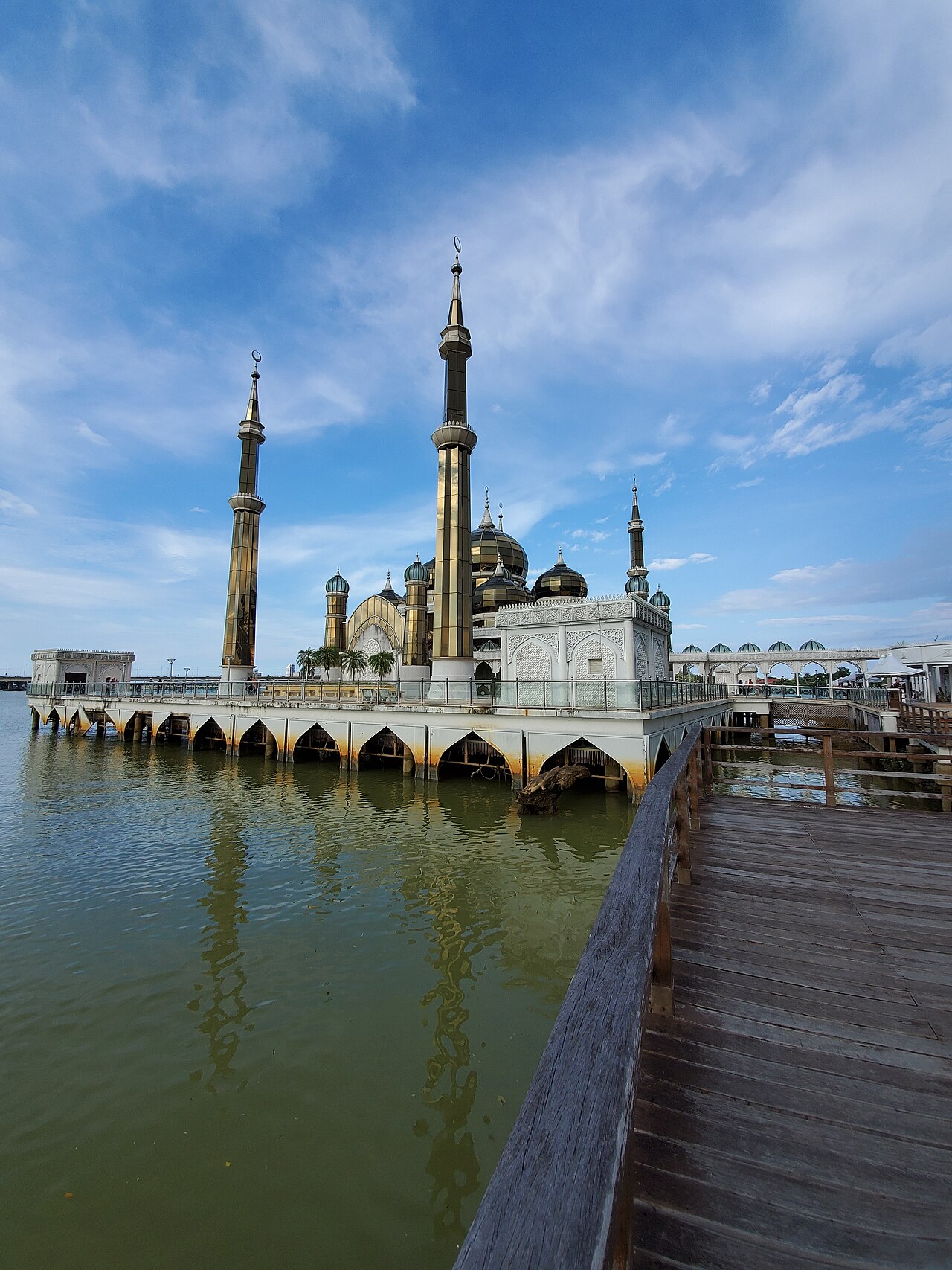
If you have another day, the Kuala Terengganu local culture guide also compares the Islamic Civilisation Park as a separate trip. It need not be fitted between shopping, a museum and a fixed return journey.