

Varicose veins are enlarged, twisted surface veins that most often appear in the legs. For some people they are mainly a cosmetic concern; for others they are associated with aching, heaviness, itching, swelling or skin changes. The visible vein does not tell the whole story. Symptoms can have more than one cause, and treatment decisions are often guided by examination and ultrasound rather than appearance alone. A professional assessment should separate cosmetic preference from functional symptoms or complications, explain whether treatment is necessary and set realistic expectations. This guide covers what to record before the visit, how veins are assessed and which questions help compare observation, conservative management and procedures.
What this guide covers
- Visible veins do not always require treatment.
- Symptoms and skin changes influence the need for assessment.
- Duplex ultrasound may be used to map vein function.
- Compression and procedures must be matched to the diagnosis.
- Treatment improves a defined problem but cannot guarantee veins will never recur.
Why varicose veins develop
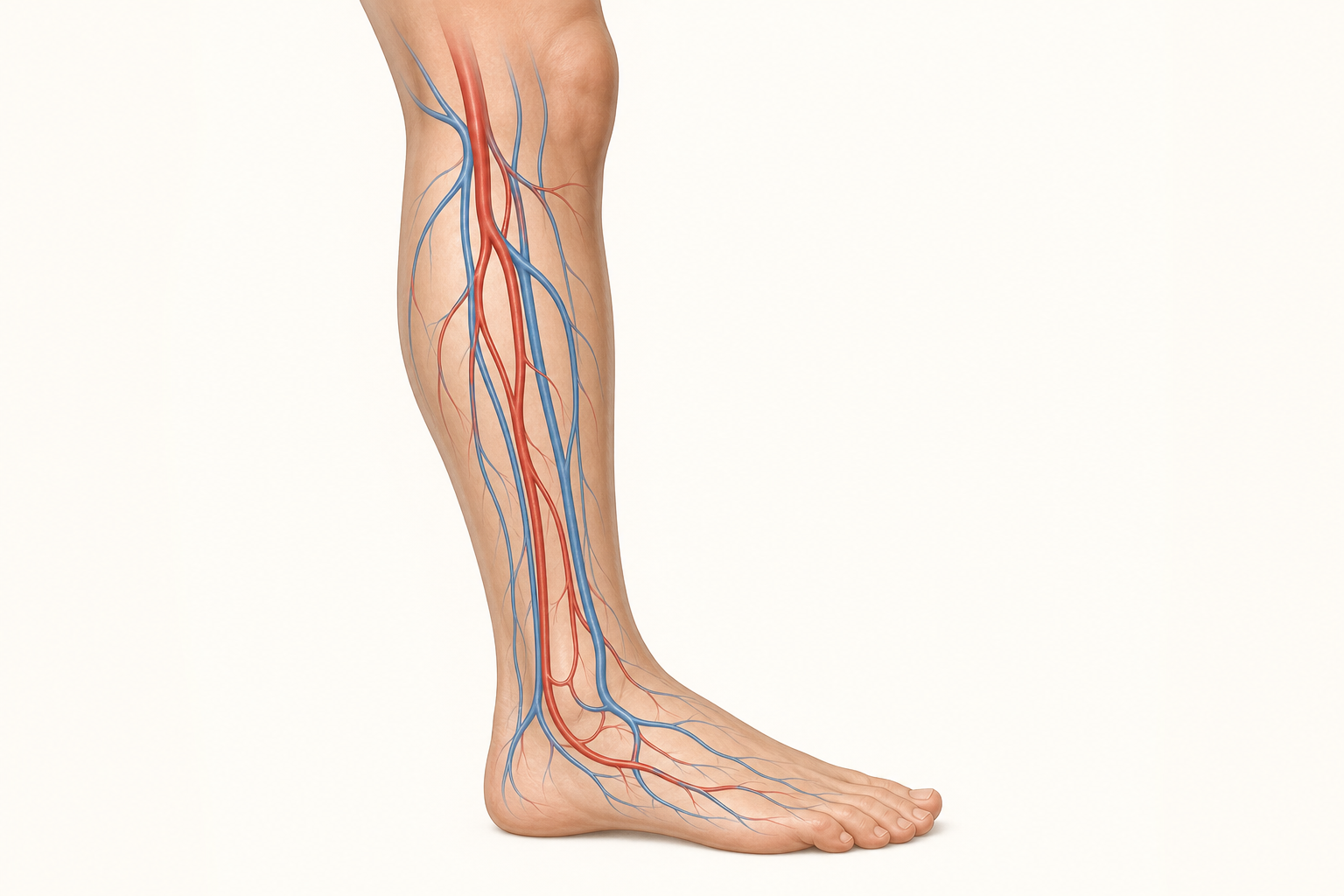
Leg veins contain valves that help blood move upward against gravity. When vein walls or valves do not function effectively, blood can pool and superficial veins may enlarge. Family history, pregnancy, age, prolonged standing, body weight and previous clots can influence risk, although individual cases vary.
Visible veins range from small thread veins to larger bulging veins. Size does not always match symptom severity. A person with prominent veins may have little discomfort, while another with less obvious changes may experience aching or swelling. This is why treatment should be based on symptoms, findings and goals rather than photographs alone.
Symptoms and changes that deserve review
Seek advice when aching, heaviness, itching, swelling or night discomfort persists or limits daily activity. Skin discolouration, eczema-like irritation, inflammation, bleeding or a slow-healing wound around the ankle increases the importance of assessment. Record whether symptoms worsen after standing and improve with walking, elevation or rest.
Sudden one-sided swelling and pain is not typical uncomplicated varicose-vein discomfort and needs prompt assessment. Likewise, active bleeding from a vein requires appropriate first aid and medical advice. Do not assume that every leg symptom is caused by visible veins; joint, nerve, arterial or systemic problems can overlap.
What happens during a vein assessment
The clinician will ask about symptom duration, previous clots, pregnancies, family history, occupation, mobility and treatments already tried. The legs may be examined while standing and lying down to assess vein distribution, swelling and skin changes. Pulses may be checked because arterial circulation matters when considering compression.
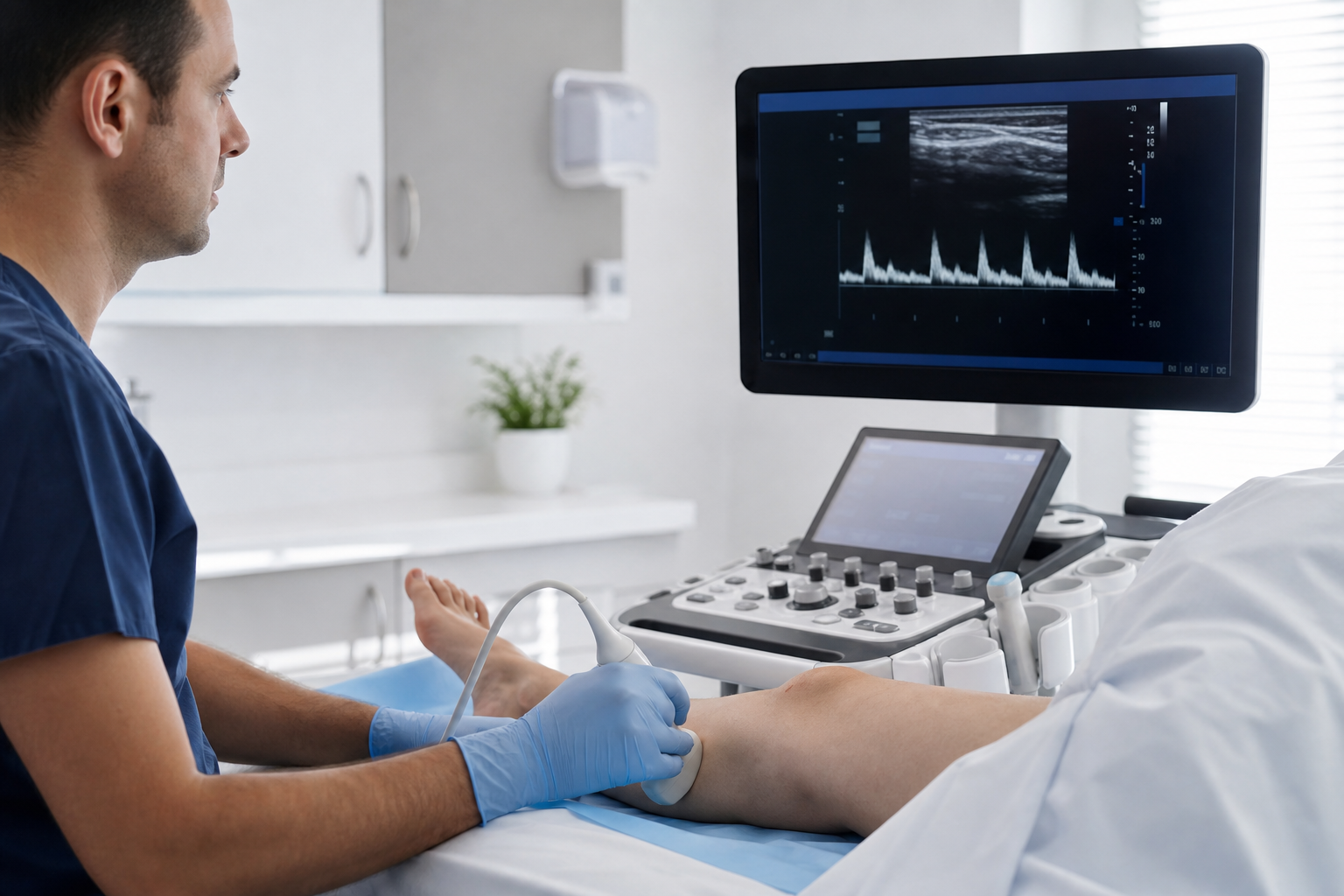
Duplex ultrasound may be recommended to evaluate blood flow and valve function. Ask which veins are being assessed and how the result changes the options. Ultrasound is especially useful for procedure planning, but it does not replace the symptom history or determine by itself whether treatment is worthwhile.
Conservative management and monitoring
When symptoms are mild and there are no concerning complications, management may focus on movement, avoiding long periods of immobility, weight management where relevant, elevation and monitoring. Compression can help selected patients but should be recommended after appropriate assessment, particularly when arterial disease is possible.
Conservative care does not mean that symptoms are being dismissed. It may be a reasonable first choice when procedure benefits are limited, health factors increase risk or the patient prefers to wait. Ask what improvement is expected, how long to try the plan and which changes should prompt review.
Understanding procedural options
Modern vein treatment may include endovenous techniques, injection treatment, removal of selected veins or other procedures depending on anatomy and local practice. No single method is best for everyone. The recommended approach depends on ultrasound findings, vein pattern, symptoms, general health and patient preference.
People comparing vascular surgery services in Seremban should ask which assessments and treatments are appropriate for their case. Request an explanation of anaesthesia, recovery, activity restrictions, side effects, important complications and whether additional sessions may be needed.
Set realistic expectations about results
Treatment may improve aching, swelling, skin complications or appearance, but outcomes vary. Existing skin pigmentation may not disappear completely, and treating one vein does not prevent every future vein from becoming visible. Recurrence can happen because venous disease can progress or new pathways can develop.
Ask how success will be measured in your case. If the main goal is symptom relief, clarify which symptoms are likely to respond and which may have another cause. If the goal is appearance, discuss expected cosmetic change, scarring or pigmentation and the possibility of staged treatment.
Questions to bring to the consultation
Ask: Are my symptoms likely to come from these veins? Do I need ultrasound? What happens if I choose observation? Is compression suitable? Which procedure fits the anatomy and why? What are the risks, recovery time and chance of recurrence? These questions connect the visible problem to a clinically justified plan.
Bring medicine and allergy lists, previous ultrasound reports and details of clots or vascular procedures. Note work demands and time spent standing, because recovery restrictions may influence scheduling. Separate the clinical recommendation from price comparisons and confirm what any estimate includes.
Think beyond the appearance of the vein
Varicose veins may be mainly cosmetic for one person and a source of aching, heaviness, swelling, itching or skin change for another. Treatment decisions should therefore start with the effect on daily life and the condition of the surrounding skin, not only the size or visibility of a vein. Tell the clinician whether symptoms worsen after standing, improve with elevation, interfere with work or exercise, or are associated with night cramps and restlessness. Mention any episode of bleeding, a hard tender vein, ulceration or previous clotting.
A vascular examination may assess pulses as well as veins because arterial circulation can influence whether compression is appropriate. Duplex ultrasound can map blood flow and identify reflux or obstruction when clinically indicated. Ask which veins are involved, whether the deeper venous system appears healthy and how the findings relate to your symptoms. An abnormal-looking vein on the surface does not by itself explain every leg complaint, so a careful assessment should also consider musculoskeletal, neurological and other causes.
Conservative care may include movement, weight management where relevant, leg elevation and properly selected compression. If compression is recommended, ask about the correct strength, fit, duration and situations in which it should not be worn. Procedures vary and may include injection treatment, heat-based closure, other minimally invasive techniques or surgery, depending on anatomy, symptoms and local practice. Ask about anaesthesia, number of sessions, return to activity, aftercare and the possibility of recurrence or new veins developing later.
Use the consultation to define success realistically. Improvement may mean reduced aching, healing of a skin problem, lower risk of further complications or a cosmetic change, and these outcomes are not interchangeable. Ask which outcome is most likely for the proposed option and how it will be measured. If more than one treatment is reasonable, compare the expected benefit, recovery demands, risks and long-term follow-up rather than choosing on procedure name alone.
After treatment, follow written instructions and know whom to contact for unexpected pain, swelling, bleeding, breathlessness or other concerning changes. Planned follow-up matters because it checks healing and provides an opportunity to discuss persistent symptoms.
If cost, travel, work duties or caregiving responsibilities affect your choice, raise them openly. A clinically suitable plan is more likely to succeed when appointments, aftercare and activity restrictions are realistic for the patient’s circumstances.
Frequently asked questions
Are varicose veins dangerous?
Many are uncomplicated, but some are associated with inflammation, bleeding, skin changes or ulcers. Assessment is appropriate when symptoms persist or complications appear.
Will compression stockings remove varicose veins?
Compression may help symptoms in selected patients but does not usually remove the visible vein. Suitability and strength should be determined with professional advice.
Do I need ultrasound before treatment?
Ultrasound is often used to understand vein function and plan procedures, but the clinician decides based on the history, examination and proposed treatment.
Can varicose veins return after a procedure?
Yes. Treated veins may remain closed or removed, but venous disease can progress and other veins can become prominent. Ask about expected recurrence and follow-up.
When is leg swelling urgent?
Sudden one-sided swelling, especially with pain, warmth or redness, needs prompt assessment. Chest pain or breathing difficulty with leg symptoms is an emergency.
Planning your next step
- Use a vascular consultation to confirm whether symptoms are vein-related, whether ultrasound is required and which option offers a reasonable benefit for your goals.
Varicose-vein care should begin with diagnosis and expectations, not with choosing a procedure from a menu. A clear assessment links symptoms to vein function, considers arterial safety and explains what treatment can and cannot achieve. That foundation supports a more confident decision whether you choose monitoring, conservative management or intervention.
This article is intended for general education and does not replace an individual diagnosis or treatment plan. Seek urgent medical attention for severe, sudden or rapidly worsening symptoms.