

A vascular consultation is most productive when the clinician can see both the symptom pattern and the wider health context. Leg pain, swelling, visible veins, wounds and abnormal circulation tests can point in different directions, and treatment depends on whether arteries, veins or lymphatic vessels are involved. A concise diary, complete medicine list and previous imaging can save time and reduce duplicated testing. Preparation also helps you ask better questions about non-surgical management, procedures, recovery and long-term risk. This guide provides a step-by-step checklist for patients preparing to discuss a vascular concern in Seremban, while emphasising that sudden severe symptoms require urgent care rather than appointment preparation.
What this guide covers
- Write a symptom timeline with triggers and functional limits.
- Bring medicines, allergies and vascular risk information.
- Collect prior ultrasound, scan and procedure records.
- Prepare questions about tests, alternatives and recovery.
- Do not stop blood thinners or start compression without individual advice.
Build a clear symptom timeline
Write when symptoms started, whether onset was sudden or gradual and how they have changed. For walking pain, record where it occurs, the distance before it begins and how long rest takes to relieve it. For swelling, note whether one or both legs are affected, time-of-day changes and response to elevation.
Include skin colour, temperature, numbness, weakness, visible veins, wounds and previous similar episodes. Describe impact on sleep, work and mobility. A timeline should be brief enough to scan in a minute but detailed enough to reveal patterns. Avoid labelling the cause yourself; record observations.
Prepare your medical and medication history
Bring a complete list of prescriptions, over-the-counter medicines and supplements. Highlight blood thinners, diabetes treatment, blood-pressure medicines and cholesterol therapy. Record allergies and previous reactions to contrast, anaesthesia or medicines. Do not stop treatment before the visit unless the responsible clinician instructs you to do so.
Note diabetes, kidney disease, high blood pressure, cholesterol, heart or lung problems, smoking history and mobility limitations. Include previous blood clots, vascular procedures, wounds and family history. This context helps the surgeon interpret symptoms and plan tests safely.
Gather previous investigations
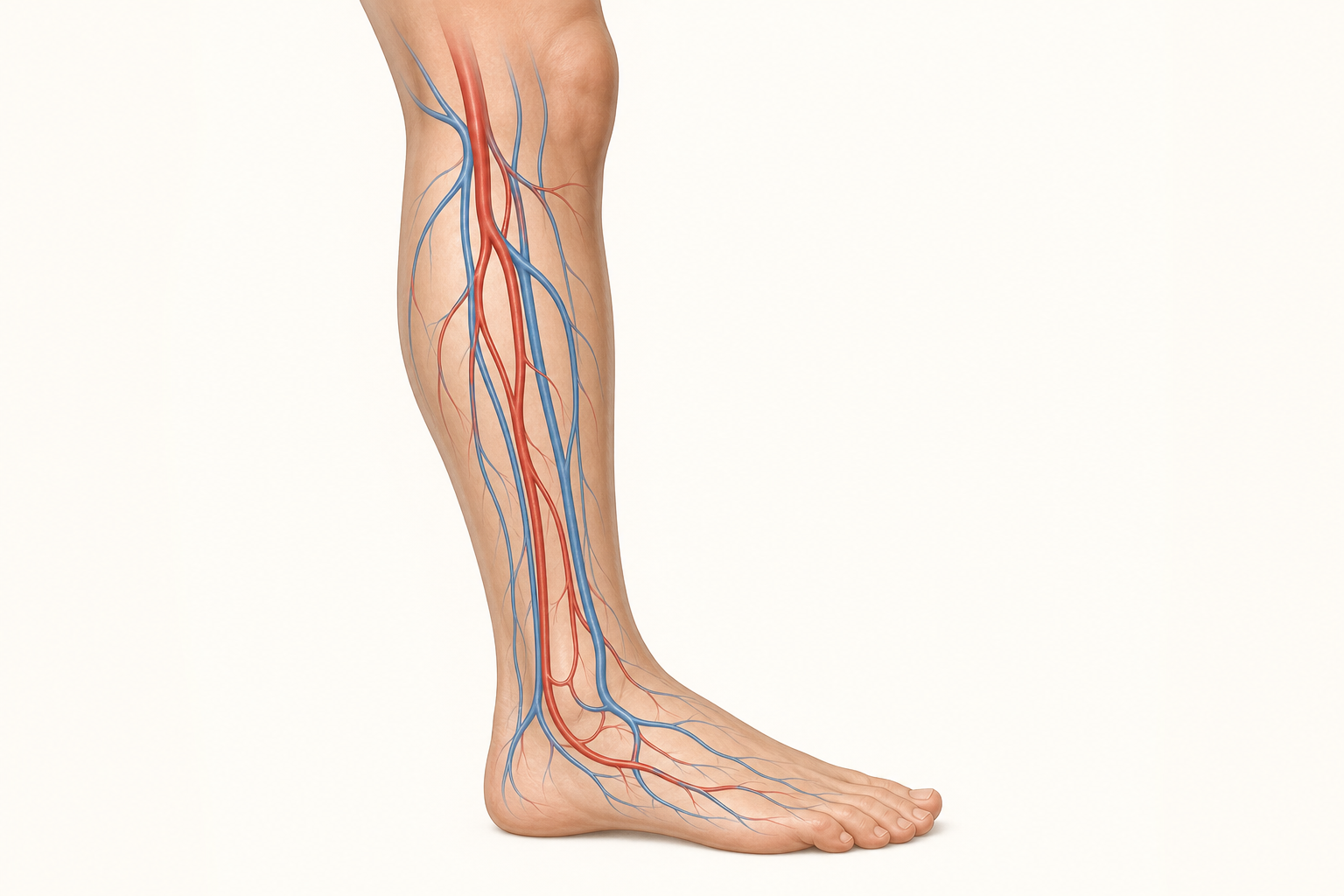
Collect duplex ultrasound reports, CT or MRI angiography reports, blood tests, wound-care records and operation notes. Ask the clinic whether it needs actual imaging files in addition to reports. If testing was performed at another facility, arrange access early rather than assuming records will transfer automatically.
Organise documents by date and write one line about why each test was done. If a result led to medicine or a procedure, note the response. A complete record may prevent unnecessary repetition, although new testing can still be justified when symptoms or clinical questions have changed.
Know what the examination may involve
The specialist may compare pulses, examine skin and wounds, assess swelling and check temperature or sensation. Some examinations are performed standing as well as lying down. Wear clothing that allows the relevant leg to be examined while maintaining comfort and privacy.
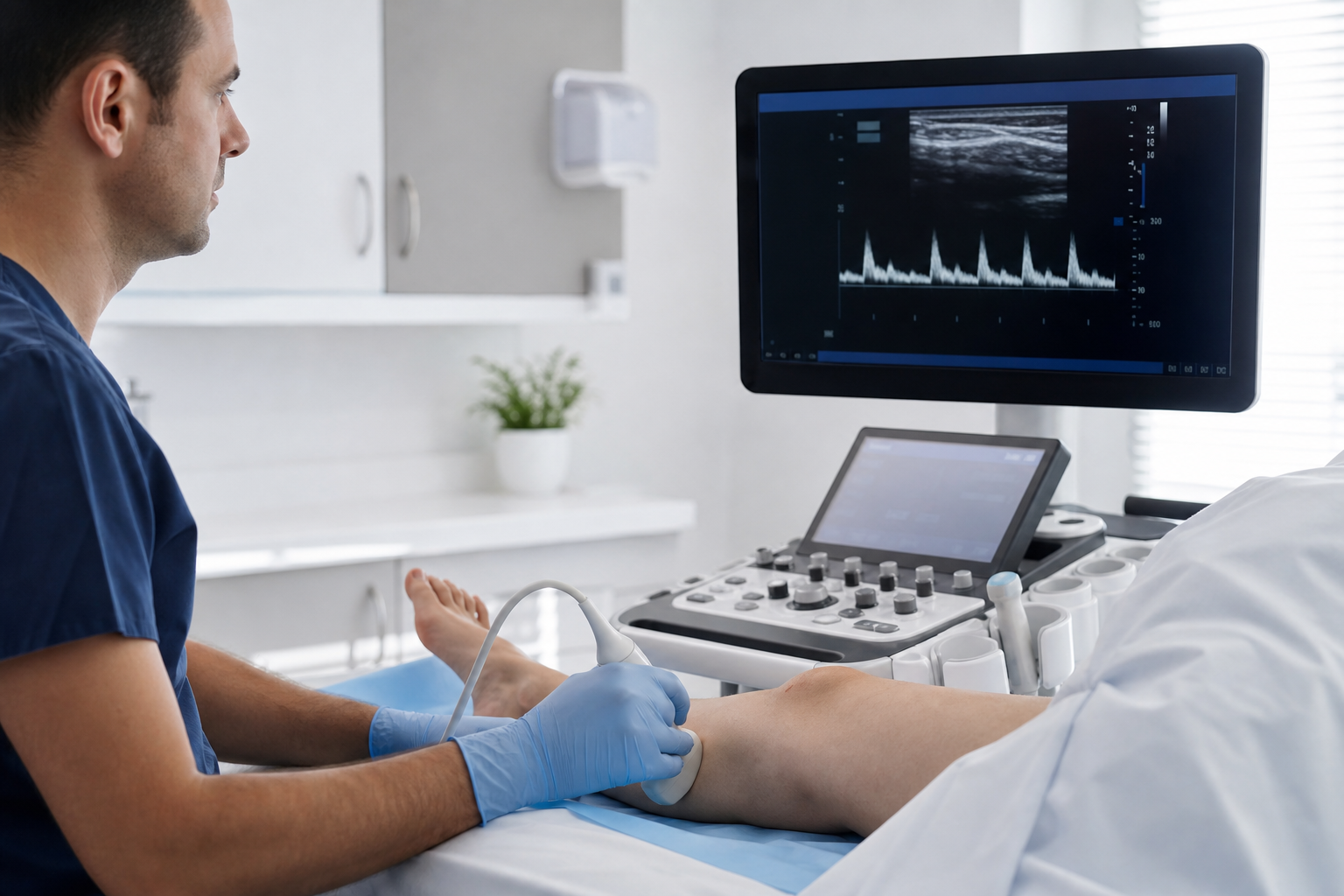
Non-invasive measurements or ultrasound may be arranged depending on findings. Ask what each test assesses and whether preparation is needed. Results should be explained in relation to symptoms, not presented as an isolated image or number.
Prepare questions about treatment choices
Ask whether the likely problem is arterial, venous, lymphatic or not clearly vascular. Then ask what can be managed with risk-factor control, exercise, wound care, medication or compression when appropriate. If a procedure is proposed, clarify its goal, alternatives, important complications and expected recovery.
Patients reviewing CMH Specialist Hospital’s vascular surgery service can use its overview to prepare, then confirm whether the clinician and available tests fit the specific concern. A service description cannot determine urgency or treatment without assessment.
Plan for practical recovery questions
Recovery depends on the procedure and general health. Ask about admission, pain control, wound care, walking, driving, work and compression or medication after treatment. Confirm whether someone should accompany you and what home support is required. If you have stairs or caregiving duties, mention them before scheduling.
Request clear warning signs and contact details. Know who reviews wounds, results and response to treatment. Long-term vascular care may still include exercise, smoking cessation and control of diabetes, blood pressure or cholesterol after a technically successful procedure.
Recognise when not to wait for the appointment
Sudden severe leg pain, a cold or pale limb, new weakness, rapidly increasing swelling or a significant colour change requires prompt assessment. Sudden one-sided swelling with chest pain or breathing difficulty is an emergency. A worsening infected wound, fever or blackened tissue also needs urgent advice.
Routine appointment preparation is appropriate for stable symptoms. When the situation changes rapidly, contact an appropriate emergency or urgent-care service instead of sending a message and waiting for a scheduled clinic response.
Turn preparation into a clear consultation record
Create a one-page timeline beginning with the first noticeable symptom. Include important changes, previous diagnoses, hospital admissions, operations and the dates of relevant scans or ultrasounds. For leg symptoms, record whether the issue affects the right side, left side or both, and whether it occurs at rest, during walking or after prolonged standing. For a wound, note how long it has been present and what dressings or treatments have been used. A concise timeline gives the specialist a reliable overview without replacing the detailed discussion.
Make a full medicine list with dose and frequency. Include antiplatelet medicines, anticoagulants, diabetes treatments, blood pressure medicine, cholesterol treatment, hormones and supplements. Do not stop a prescribed blood thinner before the appointment unless the prescribing clinician has specifically told you to do so. Note allergies and the reaction caused, because ‘allergy’ can mean anything from a mild side effect to a serious response. Bring recent laboratory results and imaging reports if they are readily available.
Write your most important questions in priority order. You may want to know the likely cause, whether the condition is urgent, what further test is needed, what happens without intervention and which treatment options fit your health and goals. If a procedure is discussed, ask about preparation, anaesthesia, hospital stay, wound care, mobility, driving, work and follow-up. Patients who manage diabetes, kidney disease or several medicines should ask how those issues affect the plan.
Practical preparation also matters. Wear clothing that allows the relevant limb or area to be examined, and bring walking aids or compression garments you currently use. Consider attending with a trusted person if the discussion may be complex. Arrange translation support in advance when needed rather than relying on partial understanding for consent or medicine instructions. Ask whether photographs of wounds or symptoms should be brought and how the clinic prefers them to be shared securely.
At the end of the visit, confirm the working diagnosis, the next action, the expected timing and the contact route for worsening symptoms. Ask which warning signs require urgent care rather than waiting for the next appointment. Keep all documents together and add the appointment summary to your timeline. This creates continuity if several healthcare professionals are involved and makes later follow-up more efficient. Preparation is not about predicting the diagnosis; it is about giving the specialist accurate information and leaving with a plan you can follow safely.
If you are uncertain about any instruction, ask for it in writing before leaving. Clear information is particularly important when medicines, fasting, transport or follow-up imaging must be coordinated with other healthcare services.
Frequently asked questions
Should I wear compression stockings to the appointment?
Follow existing clinical advice. If compression has not been assessed, do not start it solely for the visit. Bring details of any stockings already prescribed and how symptoms respond.
Can I eat before a vascular consultation?
A routine consultation usually does not require fasting, but tests or procedures may. Follow the clinic’s specific instructions and ask if you are unsure.
Should I bring home blood-pressure or glucose readings?
Recent, reliable records can be useful when hypertension or diabetes affects risk. Bring concise summaries rather than large unorganised logs unless requested.
Will I have an ultrasound on the same day?
Availability varies, and not every concern needs ultrasound. Ask the clinic when booking and whether any preparation or referral documentation is required.
Can a family member attend?
A trusted person can help listen and take notes, subject to your consent and clinic policy. The clinician should still speak directly with you and protect your privacy.
Planning your next step
- Bring a one-page symptom timeline, complete medicine list and previous vascular records so the consultation can focus on diagnosis and decisions.
Preparation cannot replace examination, but it can make the evidence clearer. A structured timeline, accurate medication history and organised imaging allow the vascular specialist to select tests more thoughtfully and explain options more precisely. Before leaving, confirm the diagnosis or working possibilities, the next step and the safety net for any change in symptoms.
This article is intended for general education and does not replace an individual diagnosis or treatment plan. Seek urgent medical attention for severe, sudden or rapidly worsening symptoms.