

A blocked nose, sore throat or brief earache is common and often improves with time or primary care. The question becomes harder when symptoms repeatedly return, last longer than expected or begin to affect sleep, hearing, balance, eating or communication. Persistent symptoms do not automatically indicate a serious condition, but they deserve a structured assessment rather than endless self-treatment. An ear, nose and throat specialist can examine areas that are difficult to assess at home, arrange targeted tests and distinguish problems that need monitoring from those that may benefit from medical or surgical treatment. This guide explains patterns that justify seeking advice, what information to prepare and which warning signs should not wait for a routine appointment.
What this guide covers
- Duration, recurrence and effect on daily life matter.
- Sudden hearing loss and breathing difficulty need prompt care.
- Ear, nose and throat symptoms can have several possible causes.
- Specialist testing should answer a clear clinical question.
- Keep a symptom timeline and record treatments already tried.
When ‘persistent’ becomes clinically meaningful
There is no single duration that applies to every symptom. A mild sore throat during a viral illness is different from a voice change that continues for weeks. Recurrent infections with full recovery between episodes are different from continuous pain or discharge. The pattern, severity, associated symptoms and individual risk factors determine how quickly assessment is needed.
Seek medical advice when symptoms fail to improve as expected, frequently return, become progressively worse or interfere with sleep, work, school or communication. Keep a record of dates and treatment response. This is more useful than estimating from memory after several months and helps the clinician identify whether the problem is episodic, seasonal or steadily progressive.
Ear symptoms: hearing, pain, discharge and tinnitus
Ongoing hearing difficulty, recurrent infections, persistent ear discharge, troublesome tinnitus or repeated balance symptoms may need specialist evaluation. Hearing change can result from outer, middle or inner ear problems, so the correct test depends on the examination. Avoid inserting objects or repeatedly using unadvised remedies, as these can irritate the ear or delay diagnosis.
Sudden hearing loss is different from a gradual change and should be assessed promptly. Tinnitus accompanied by sudden hearing change, neurological symptoms or severe vertigo also warrants timely medical advice. For gradual symptoms, note whether one or both ears are affected, whether speech is difficult to follow and whether sound exposure, medicines or infections preceded the change.
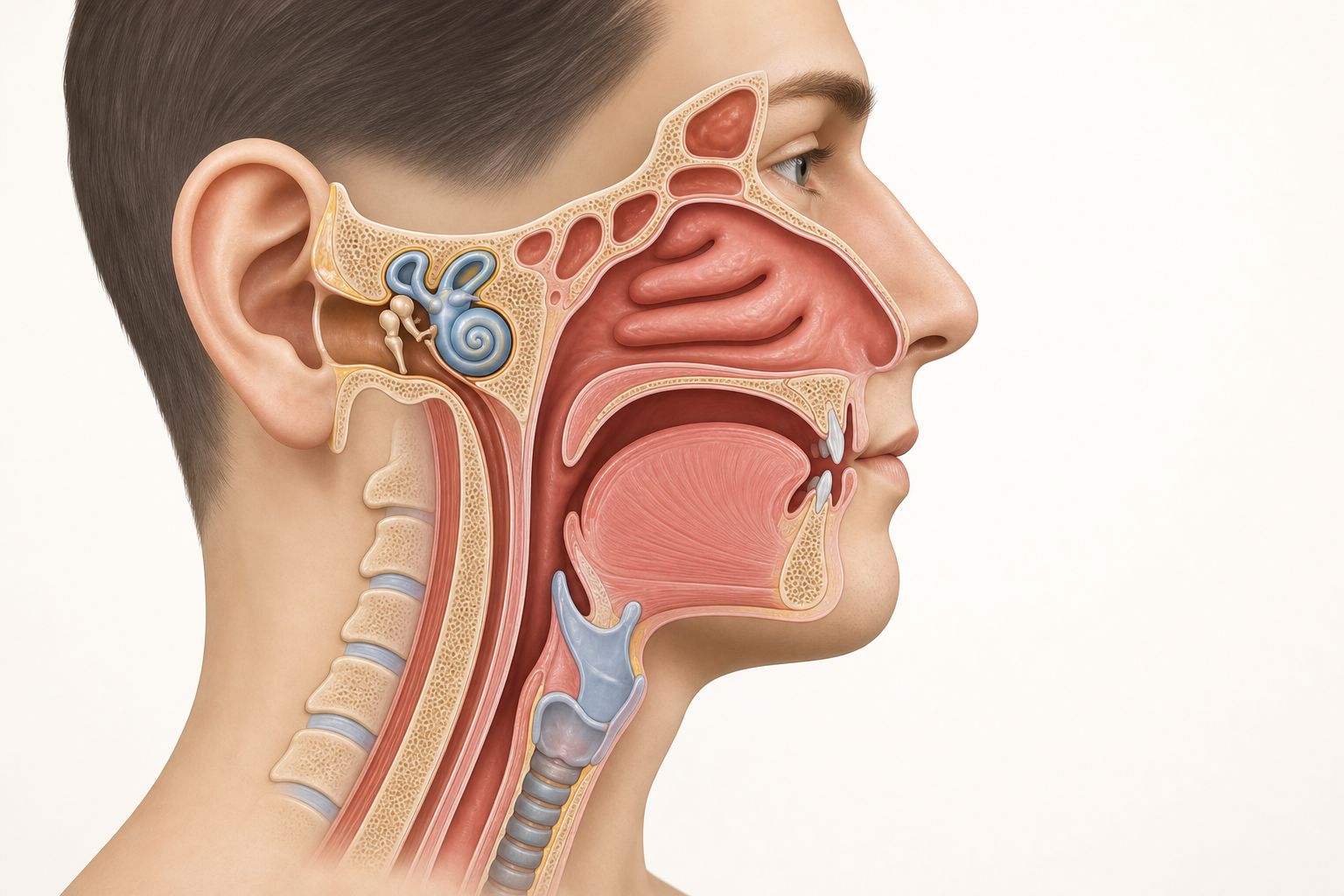
Nasal blockage, nosebleeds and sinus complaints
Nasal blockage may be related to inflammation, allergies, structural narrowing, polyps or other causes. Specialist review can be useful when blockage is persistent, mainly affects one side, repeatedly disrupts sleep or does not respond to appropriate initial treatment. Reduced smell, recurrent nosebleeds and facial pressure should be described accurately rather than grouped under the broad term ‘sinus’.
An ENT assessment may include examination inside the nose and, when appropriate, endoscopy or imaging. Imaging should be targeted; it is not required for every blocked nose. Bring a list of sprays or medicines already tried, how consistently they were used and whether they helped. Technique matters for some nasal treatments, so ask the clinician to demonstrate correct use.
Throat, voice and swallowing symptoms
Persistent hoarseness, recurrent tonsillitis, ongoing throat discomfort or difficulty swallowing deserves medical review. Voice problems can relate to inflammation, voice use, reflux-related irritation, vocal cord conditions or other causes. A clinician may ask about occupation, smoking, symptom duration and whether the voice tires or changes throughout the day.
Difficulty swallowing should be described carefully: is the problem with solids, liquids or both; does food feel stuck; is swallowing painful; and has weight changed unintentionally? A neck lump or sore that does not heal should not be ignored. These findings have many possible explanations, and examination is necessary to determine the appropriate pathway.
Dizziness, balance and sleep-related symptoms
Dizziness can mean spinning, imbalance, light-headedness or near-fainting. Only some causes originate in the inner ear. Describe the sensation, duration, trigger, hearing symptoms and any neurological or cardiovascular features. The ENT doctor may recommend balance testing or referral to another specialty when the pattern does not appear ear-related.
Snoring is common, but loud snoring with witnessed breathing pauses, choking awakenings or significant daytime sleepiness deserves medical discussion. Assessment may involve the nose, throat, sleep history and other risk factors. Surgery is not the only possible treatment, and the plan should be based on the cause and severity rather than snoring alone.

What specialist assessment may include
The visit begins with a symptom history and focused examination. Depending on the problem, the doctor may inspect the ears, nose, mouth, throat and neck. Tests might include audiology, tympanometry, a flexible scope, imaging or another targeted assessment. Each test should have a purpose and a plan for communicating results.
Patients looking for ENT specialist services in Seremban can review the conditions and interests listed by the hospital, then ask the clinic whether a referral, prior test or special preparation is needed. The service page helps with navigation but cannot determine the cause of symptoms.
Prepare a useful symptom record
For two to four weeks, record when symptoms occur, their severity and possible triggers. For ear symptoms, note hearing changes, discharge, tinnitus and balance episodes. For nasal symptoms, track blockage, smell, nosebleeds and seasonal patterns. For throat or voice problems, note swallowing difficulty, voice use, reflux symptoms and the effect on meals or work.
Bring medication and allergy lists, previous hearing tests, scans and clinic letters. Photographing a medicine label for personal reference can help, but do not send personal medical information to an unverified contact. During the appointment, ask what improvement should look like and when lack of improvement should prompt follow-up.
Track patterns before your appointment
Symptoms involving the ears, nose and throat often fluctuate, so a brief record can be more useful than trying to remember several weeks at once. Note the date and duration of each episode, the side affected, possible triggers, fever, pain level and any change in hearing, smell, voice, swallowing or sleep. For nasal symptoms, record whether blockage is one-sided or on both sides and whether discharge, bleeding or facial pressure is present. For dizziness, describe the sensation accurately—spinning, imbalance and light-headedness can point clinicians toward different questions.
Include what you tried and what happened next. List prescribed medicines, over-the-counter products, nasal sprays, ear drops and home remedies, with approximate dates if possible. Avoid inserting objects into the ear or repeatedly using unprescribed treatments while waiting for review. If a symptom suddenly becomes severe, is accompanied by breathing difficulty, heavy bleeding, facial weakness, a new neurological symptom or a rapid loss of hearing, seek urgent medical advice rather than waiting for a routine specialist visit.
At the consultation, ask the clinician to explain which findings are reassuring and which require follow-up. Some symptoms can be managed with observation or medical treatment, while others may justify a hearing test, a small camera examination, imaging or another targeted investigation. Testing should answer a clinical question; more tests are not automatically better. Understanding the purpose of a proposed test helps you prepare and makes the eventual result easier to interpret.
Persistent symptoms deserve proportionate attention, but persistence alone does not establish a serious diagnosis. The aim of specialist review is to combine your history with examination findings, identify likely causes, rule out important concerns when necessary and agree on the most sensible next step.
Frequently asked questions
Can persistent symptoms still be caused by something minor?
Yes. Persistence does not automatically mean a serious diagnosis. It does mean that repeated self-treatment may be less useful than an examination that identifies the likely cause and appropriate next step.
Is a CT scan always needed for sinus symptoms?
No. The need for imaging depends on the history, examination and treatment response. Ask what the scan is intended to show and how the result would change management.
Can tinnitus be assessed even if there is no pain?
Yes. Assessment may include a hearing history, ear examination and audiology. Seek prompt advice if tinnitus is associated with sudden hearing loss, severe vertigo or neurological symptoms.
What should parents record for a child?
Useful information includes infection frequency, hearing or speech concerns, sleep symptoms, school impact, treatments tried and any previous hearing tests. The child’s age and development influence assessment.
When should I use emergency care?
Breathing difficulty, uncontrolled bleeding, sudden hearing loss, severe rapidly worsening symptoms or a rapidly enlarging swelling require prompt medical attention rather than a routine appointment.
Planning your next step
- Book an appropriate assessment when symptoms persist, recur or impair daily function, and bring a concise record of the pattern and treatments tried.
Persistent ENT symptoms are best approached with patterns, not guesses. Duration, recurrence, functional impact and associated warning signs help determine urgency. A focused assessment can reduce unnecessary treatment, identify useful tests and provide a clearer safety net for what should happen next.
This article is intended for general education and does not replace an individual diagnosis or treatment plan. Seek urgent medical attention for severe, sudden or rapidly worsening symptoms.