TRAVEL & LOCAL DISCOVERIES
Best Putrajaya Park for One Morning: Taman Botani, Wetland or Saujana Hijau?
Choose one Putrajaya park by the morning you want: plant collections at Taman Botani, wetland habitat in Precinct 13 or a hill walk at Saujana Hijau.
Little things.
Local knowledge.
plazaclass.


If everyone agrees on “a morning in a Putrajaya park” but nobody agrees on what to do once there, ask each person to finish this sentence: “I’ll be happy if we get to…” Look closely at plants? Start with Taman Botani. Watch how water, reeds and wildlife share a landscape? Pick Taman Wetland. Spend most of the visit walking through a designed hillside landscape? Look at Taman Saujana Hijau. These three trips do not require the same kit, the same pace or the same arrival point.
This is a one-park comparison rather than a circuit. Driving from one entrance to another consumes the time that makes a garden visit worthwhile: the pause to read a label, return to an interesting tree, or sit quietly near the water. Pick a main park and keep a different type of outing as your fallback. If outdoor conditions are poor across Putrajaya, three outdoor alternatives aren’t three independent backup plans.
Compare by experience rather than the prettiest photo
| What the group wants | First park to consider | What to establish first |
|---|---|---|
| A manageable plant-spotting activity | Taman Botani, Precinct 1 | Which collection is reachable from your chosen entry? |
| Water, plants and patient observation | Taman Wetland, Precinct 13 | Which public path and viewing area are open today? |
| A walk with changing hillside scenery | Taman Saujana Hijau, Precinct 11 | What gradient and turnaround suit the least confident walker? |
| A specific rental, activity or visitor counter | The park providing that exact service | Confirm the service time separately from the park gate |
Do not choose simply by how close an icon looks to Putra Mosque on a map. Use the actual park name, precinct, entrance and time of arrival. Each choice changes what the return journey will look like. If you have a lunch booking, school pickup or a train to catch, work backwards from that commitment. A park that fits neatly into an unhurried morning may be a poor choice between two fixed appointments.
Taman Botani: give the group something small to notice
For the botanical garden, make the walk about noticing differences rather than making a long circuit. Give each person a small task: find two different leaf shapes, look for how a plant supports its own weight, or choose a plant they would like to learn about later. Use a sign when one is available; if you are not sure of a name, write a description instead of identifying it from a quick photograph. The activity works even when a stretch of the garden is unavailable.
PPj’s Taman Botani opening page distinguishes park access from visitor-counter sessions. That distinction matters for early arrivals. You may be able to enjoy a public area at a time when a counter is not serving visitors. Check before promising a hire service, a guided activity or admission to a separate facility. A booking screenshot for one activity should name the activity, meeting place and time, not just say “Botanical Garden”.
Locate Taman Botani in Precinct 1 ↗
Try the “three plants, one return” plan. Choose a nearby area; find three plants that look noticeably different and take one picture of each without taking cuttings, fruit or flowers. On the return, ask which was easiest to recognise and why. A keen gardener might spend the whole morning on this exercise. Someone who wants a brisk continuous walk might find the stops frustrating. Agree on the rhythm before setting off together rather than debating it at every label.
Taman Wetland: build in time to stop and listen
The city’s account of Taman Wetland describes a constructed freshwater wetland in Precinct 13 where planted cells help filter incoming water. The point is not just another pretty lake. Look for the relationship between a planted edge and open water, and consider how water moves through the landscape. Stay on permitted paths and avoid disturbing animals for a better photograph. A bird that does not appear on cue has not spoiled a wetland visit.
Before leaving, check the Wetland operating information and which entrance serves the activity you actually want. The public park, a separately operated attraction and a booked group activity can share part of a name without sharing admission or operating arrangements. Ask the group to say whether they mean a free-form walk, a particular facility or a specific booking. Those are three different promises to make to a child.
Locate Taman Wetland in Precinct 13 ↗
Give the visit a quiet interval. Put the phones away for a few minutes and note a sound, a moving shape and a change in the water surface. Then compare what people noticed. It is perfectly fine to record “something moved through the reeds” without guessing the species. Binoculars can be useful if you already own them, but you don’t need to rent equipment or approach the water closely to enjoy this exercise. Adults should supervise young children near water throughout.

Taman Saujana Hijau: ask about the return slope
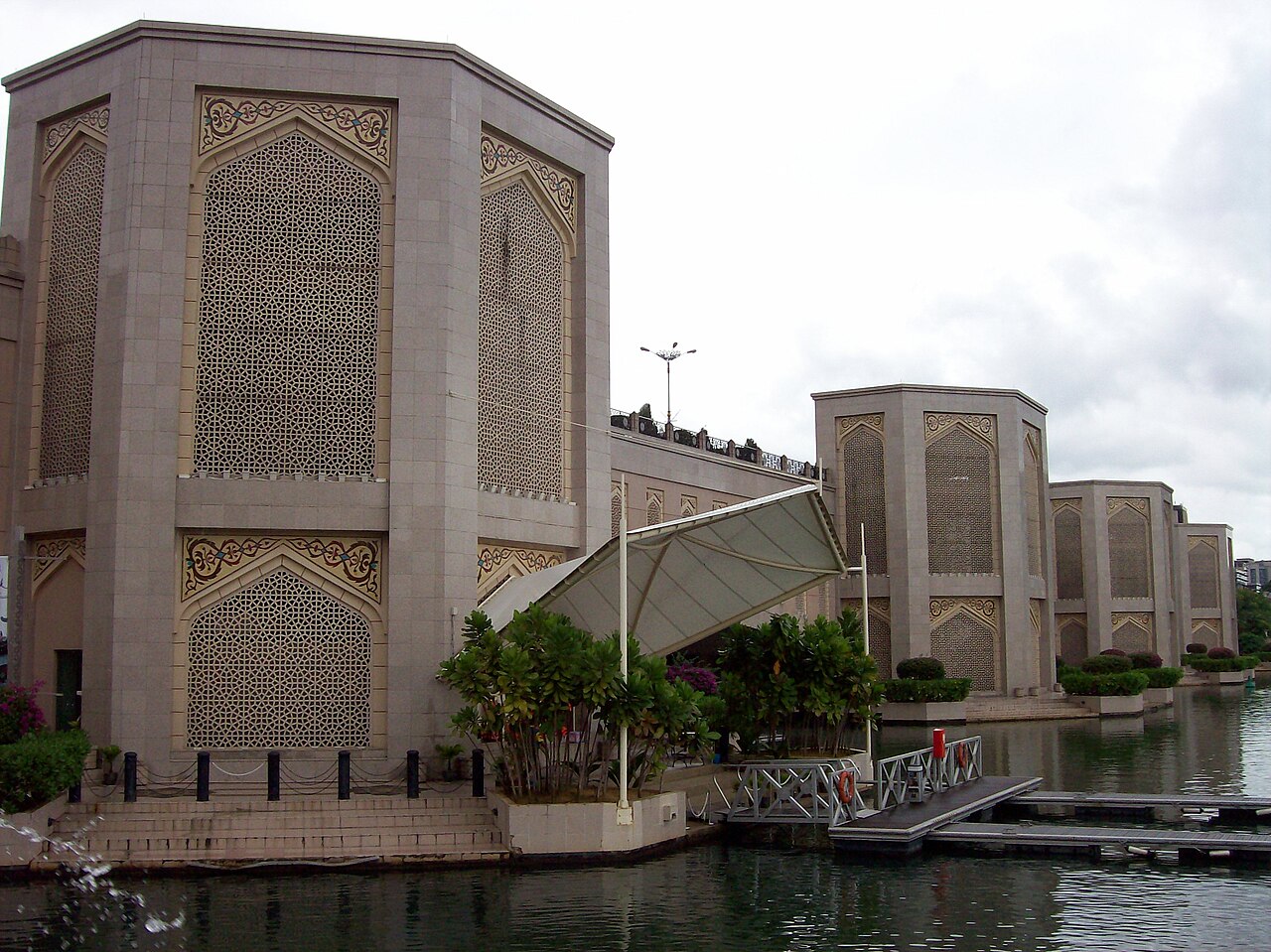
PPj’s park description places Saujana Hijau in Precinct 11 and describes three landscaped hills with different garden themes. The hill setting is part of its appeal and part of the practical decision. A visitor may love walking but dislike a sustained slope. A photograph of someone standing comfortably on one lawn does not show the route between the entrance, that lawn and the way back.
Ask the group whether it wants a hillside walk or just a brief photography stop. For the first, use two identifiable landmarks and decide which one will be the furthest point. For the second, choose a suitable view near the route you can comfortably return along; do not assume every picture seen online is close to the entrance. Check Saujana Hijau’s own operating page. A schedule for a different Putrajaya park is not a substitute.
Locate Saujana Hijau in Precinct 11 ↗
If gradients or access matter, ask about the exact route from your drop-off to your intended area, not just “is the park accessible?” A park can offer an accessible area while another path is steeper than your group wants. Find out where a companion can pause and whether a shorter route lets everyone regroup before returning. Treat the need for a rest as useful information for choosing the next leg, not something a visitor must justify.
Three morning plans you can adapt
First scenario: two adults bring siblings with very different energy levels. The family chooses Botani and decides that the plant activity, rather than a total distance, is the morning’s goal. The older child sketches one leaf arrangement; the younger child chooses shapes and colours. They start together, stop in the same area and turn back after comparing their finds. There is no reason for an adult to push the whole family to the farthest part of the garden.
Second scenario: a visitor enjoys quiet time and dislikes posed photographs. Choose Wetland and make one observation point the centre of the visit. On arrival ask which public route is suitable that day and note the way back. Spend the main part of the outing looking and listening rather than travelling between attractions. If a viewing area is closed, decide whether a different permitted observation point still serves the purpose. Do not cross a closed section for a better angle.
Third scenario: two friends want a walk before lunch, but only one wants to cover all the hills. Pick Saujana Hijau and agree on a common turnaround plus a possible extension for both. If the first leg takes longer than expected, drop the extension and keep the lunch plan. Splitting up can work for capable adults who choose to do so, but name a meeting place and a latest return time. “I’ll find you at the car” is no help if one person has the keys and the other does not know the parking area.
What to check on the day, in order
First, confirm that the named park is open for your date, including maintenance or special-event notices. Then confirm any facility essential to your visit. Next check the weather and whether the group still wants an outdoor plan. Only after these checks should you order transport or commit to a particular drop-off. The check takes little time, and it can save the frustration of arriving at an open gate when the one service you wanted is unavailable.
Keep a small amount of space in the schedule for ordinary things: a toilet stop before setting off, a change of shoes after rain, someone buying water or a pause while a driver finds the agreed pickup point. Ask a person with a specific requirement what matters to them before selecting the park on their behalf. For some visitors it is the availability of a short return, not the number of attractions, that makes the outing possible at all.
Quick decisions
Which park should I choose for a first trip to Putrajaya?
For someone who wants plant collections, choose Botani; for wetland observation, choose Wetland; for a scenic hill walk, consider Saujana Hijau. None is automatically best for every first-time visitor.
Are all three open whenever the visitor counters are open?
Read the park and counter times separately for the specific location. Check current notices before leaving, especially on a maintenance day or public holiday. A facility inside a park may have its own arrangement.
Can we add the pink mosque afterwards?
Only if your group still has energy and has allowed time for the separate journey. For first-time sightseeing, our Putrajaya city guide sets out the landmarks. The park morning is complete even if you save those for another day.