
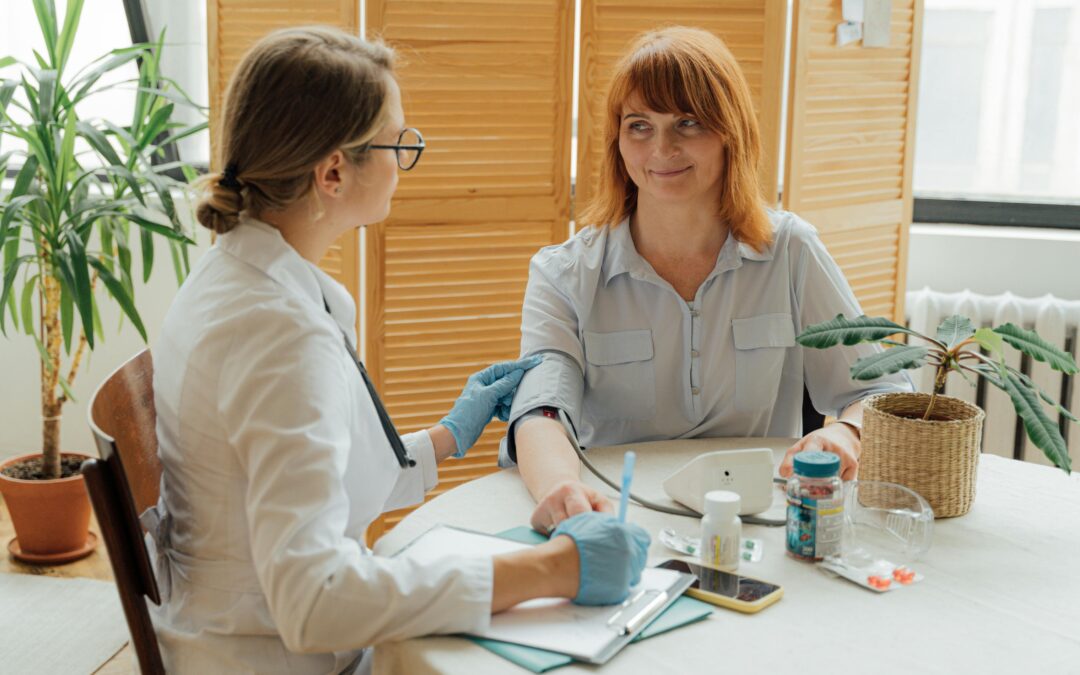
Even if you feel healthy and don’t have any symptoms, you might still have serious health issues. For example, shortness of breath could mean heart problems, frequent headaches might be a sign of high blood pressure, and sudden weight changes could point to cancer. But the biggest problem is when these serious conditions show up without any signs. That means you might not realize something is wrong until it’s too late. And this is becoming more common.
That’s why health screenings are important.
These tests check your overall health and can find problems like blocked arteries, high blood sugar, or early signs of cancer before they get worse.
A complete health screening often includes tests that check how well your organs are working, your cholesterol, blood pressure, and any metabolic issues.
For example, some scans use very low radiation to find early signs of lung or heart disease without putting you at risk. Women’s health packages may also include mammograms that are safer and more comfortable, making it easier to detect breast cancer.
Health screenings are meant for people who feel healthy and don’t have symptoms, because they focus on stopping problems before they start.
These tests are usually non-invasive and painless, and can be done in about two hours. You also don’t need to fast before the tests.
Now that you know why screenings are important, here’s how to choose the best package for you:
1) Know What You Want To Check
If your family has a history of diseases like heart disease or cancer, it’s good to get a full-body screening.
With new technology, you can also use AI-powered health screenings that detect risks early, especially if you aren’t showing any symptoms.
2) Look At What The Package Includes
Don’t just skim over the details.
Check if the package has tests like low-dose CT scans, which are safer because they use less radiation. Also, make sure it includes tests for important markers like cholesterol, blood sugar, and cancer risk.
3) Choose A Trusted Provider
When you choose a provider, make sure they are accredited and have a good reputation.
These centers use trusted equipment and follow international health standards to ensure accurate results.
4) Think About The Cost Vs. Benefit
Investing in a health screening is better than paying for expensive treatments later.
For example, finding heart disease early through a heart checkup can help avoid surgeries and other costly procedures. When comparing health screening package seremban, look for those that include advanced tests with minimal radiation and good metabolic checks. Choose centers that offer these safe and effective tests.
How Often Should You Get A Screening?
The frequency of your screenings depends on your current health, family history, lifestyle, and age.
Even though there isn’t one size that fits all, here are some general guidelines.
For people who feel healthy and don’t have symptoms, getting a full-body screening once a year is recommended.
This gives you a complete picture of your health and helps find issues like high blood pressure, diabetes, and early cancer.
Annual health screenings can find diseases like diabetes and high blood pressure before you start having symptoms.
High blood pressure, often called the “silent killer,” can lead to serious problems like heart attacks if it’s not detected early. Regular checkups help catch this and other issues early.
Heart checkups can also find early signs of artery blockages.
A full body checkup usually includes tests for your blood sugar, cholesterol, and how well your liver and kidneys are working, so you get a full picture of your health.