
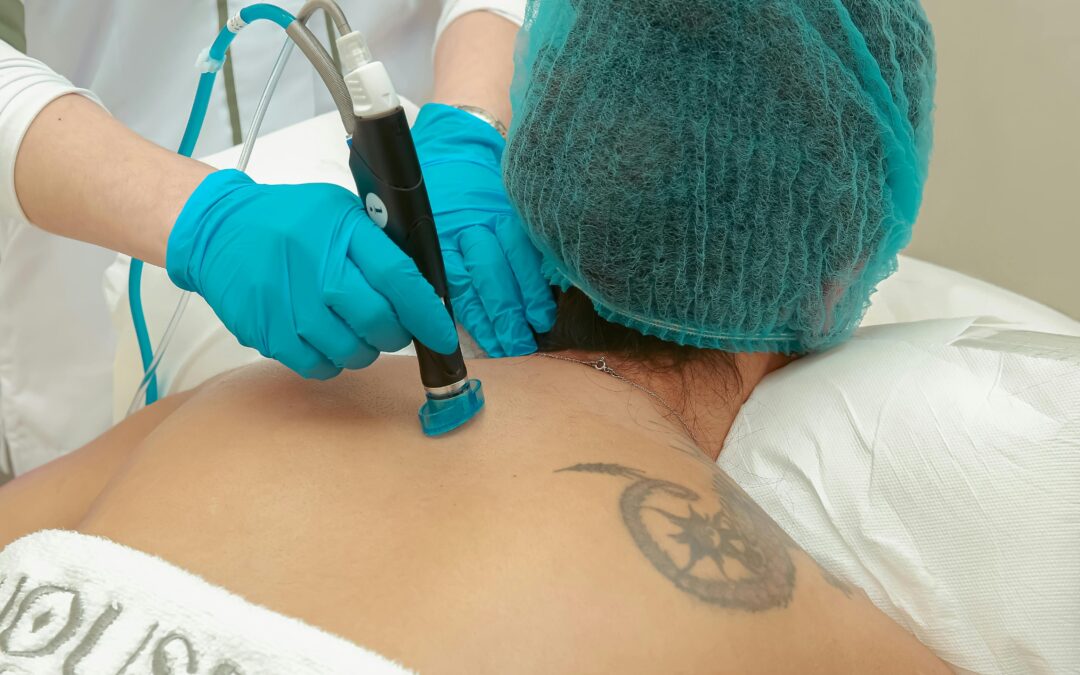
Tattoo removal is a method aimed at eliminating permanent ink from your skin. If you wish to get rid of a tattoo, your medical professional might recommend a specific kind of removal, such as laser treatment. Under the care of a dermatologist, tattoo removal is typically safe, though it may come with potential risks like scarring.
A tattoo is an enduring alteration of the body wherein an artist introduces inks and pigments into your skin. The process of tattoo removal is intended to eradicate this lasting ink from your body. Generally, your immune system attempts to eliminate foreign substances from your body, but the ink particles are too large for it to flush out, resulting in their permanence. The process of tattoo removal can be intricate and may take multiple sessions to achieve desired results. This is because the ink granules from professional tattoos are located beneath the surface of your skin.
There are numerous methods available for tattoo removal, with laser tattoo removal being the most prevalent. If you wish to erase an unwanted tattoo, consult with a healthcare professional or a dermatologist to explore your removal options.
How Does Tattoo Removal Function?
Different types of tattoo removal in Singapore operate in distinct ways. The primary aim of tattoo removal is to break down the permanent ink particles into smaller fragments that your immune system can effectively eliminate. This is the mechanism behind laser tattoo removal and removal creams, which generally carry a lower risk of scarring. Methods such as dermabrasion, chemical peels, and surgical excision focus on taking off the skin or layers of skin containing the permanent tattoo ink particles. This enables your skin to regenerate in the area where the tattoo was, helping to restore its appearance as if the tattoo had never existed. This process often results in scarring.
Is Tattoo Removal Painful?
The pain or discomfort associated with tattoo removal varies based on the method selected. Some individuals report that the removal sensation is akin to getting a tattoo, while others compare it to having a rubber band snapped against their skin. Your skin might feel tender following the procedure.
Certain removal methods can cause pain, which is why your surgeon may provide general anesthesia, or a dermatologist might apply a topical anesthetic or give you a local injection to numb the area of your skin.