
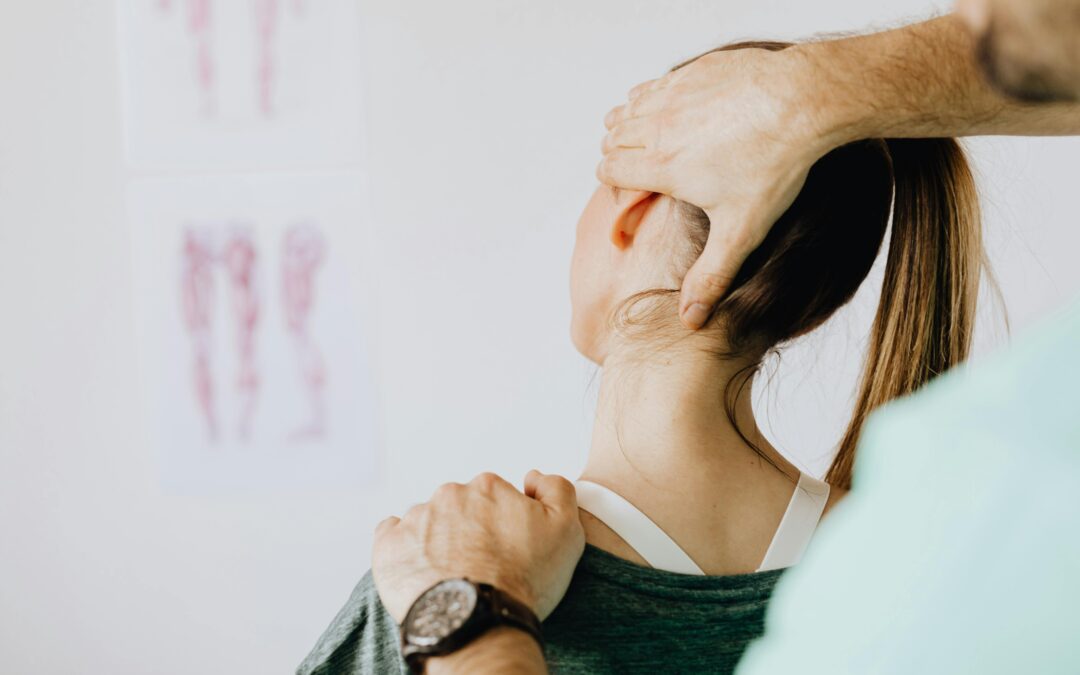
Physical therapy, also called physiotherapy, is a type of treatment that helps your body move better and feel more comfortable. It can be part of a plan to manage pain or it can be used to treat a specific injury or health problem. You may need physical therapy after surgery or to help prevent injuries from happening in the first place.
You will work with a physical therapist, who is a healthcare professional.
They will make sure your therapy is safe and helpful.
How long you need physical therapy depends on your condition and which part of your body needs help.
Some people only need a few weeks of treatment for a temporary problem. Others might need it for months or even years to manage a long-term health issue.
What Does Physical Therapy Treat?
Most people start physical therapy after a doctor has diagnosed an injury or health issue.
Some common conditions that require physical therapy include:
– Sports injuries
– Neck pain
– Back pain
– Knee pain
– Hip pain
– Carpal tunnel syndrome
– Tendinopathy (such as tendinitis)
– Rotator cuff tears
– Knee ligament injuries (like ACL tears)
– TMJ disorders
– Concussions
– Strokes
– Spinal cord injuries
– Traumatic brain injuries
You might also need physical therapy to manage chronic conditions like:
– Chronic obstructive pulmonary disease (COPD)
– Cerebral palsy
– Multiple sclerosis (MS)
– Muscular dystrophy
– Parkinson’s disease
– Cystic fibrosis
What Types Of Physical Therapy Are There?
Physiotherapy seremban involves a mix of hands-on techniques, where the therapist moves parts of your body, and exercises you do under their guidance.
It may include:
– Stretching
– Strength training (using weights or equipment)
– Massage
– Heat or cold therapy
– Water-based exercises (hydrotherapy)
– TENS (a device that uses small electrical impulses to relieve pain)
Physical therapy is usually done on an outpatient basis, which means you don’t stay overnight in a hospital.
You might start therapy while staying in the hospital after an injury or surgery and continue it once you go home.
Depending on where you live and what kind of therapy you need, you can do physical therapy in a clinic, at a hospital, or even at home.
Some people use telehealth, which means they can have therapy through video calls or phone calls.
What Are The Benefits Of Physical Therapy?
Physical therapy helps improve movement in any part of your body that’s involved in movement, including:
– Musculoskeletal system (bones, muscles, joints)
– Nervous system (brain, nerves)
– Cardiopulmonary system (heart, lungs)
– Integumentary system (skin, sense of touch)
Physical therapy can strengthen parts of your body in these systems, such as:
– Muscles
– Bones
– Joints
– Heart
– Lungs
– Brain and nerves
– Skin and your ability to feel things
What Are The Risks?
Physical therapy is generally safe and effective.
However, like any physical activity, there is a small risk of injury or making an existing injury worse. Always talk to your therapist about how to safely do all your exercises, especially if you’re doing therapy at home between visits.
Is Physical Therapy Worth It?
It might not be easy at first, but physical therapy is definitely worth the effort.
You might feel tired or stressed after a session, and that’s normal. Your therapist will help you set realistic goals and expectations.
As you keep going, you’ll notice improvement in your strength, flexibility, and ability to move.
It might feel like it’s not working right away, but it’s important to keep going.
When To See A Doctor
You should visit a healthcare provider if you notice new or worsening symptoms.
Let your physical therapist know if anything about your therapy feels too hard or easy. They can adjust your treatment plan as you progress.
Physical Therapy Vs. Occupational Therapy
Both physical therapy and occupational therapy help you move better and live more comfortably.
The difference is their main focus.
Physical therapy is used to manage symptoms of a health condition like pain or stiffness in a particular area of the body.
It’s often used during recovery from an injury or surgery.
Occupational therapy focuses more on helping you do everyday tasks and live as independently as possible.
The term “occupation” in occupational therapy refers to any daily activity, not just your job. An occupational therapist will help you improve skills like using a computer, shopping, or getting dressed.