
Orthopedists use both surgical and non-surgical methods to treat problems with the body’s bones, muscles, joints, and related structures. This article gives a general idea of what orthopedics is, what conditions orthopedists treat, and what happens during an orthopedic visit. It also explains the education and qualifications needed to become an orthopedist.
What Is Orthopedics?
Orthopedics is a medical field that focuses on the care of the skeletal system and the parts connected to it, like bones, muscles, joints, tendons, ligaments, and nerves.
There are two main types of orthopedists: those who perform surgery and those who do not. The ones who do surgery are called orthopedic surgeons. Those who do not usually include physiatrists and specialists in physical medicine and rehabilitation.
Orthopedists often work as part of a team that includes other healthcare professionals like physician assistants, nurse practitioners, physical therapists, and athletic trainers.
What Do Orthopedists Treat?
Orthopedists treat a wide range of musculoskeletal conditions, which can be present at birth, caused by injury, or develop over time due to aging.
Some common conditions they treat include joint pain from arthritis, broken bones, soft tissue injuries, back and neck pain, shoulder problems, carpal tunnel syndrome, sports injuries such as sprains and torn ligaments, congenital issues like clubfoot or scoliosis, and bone cancer.
How Do I Choose An Orthopedic Surgeon?
Choosing the right surgeon is important before any orthopedic surgery.
You should make sure the surgeon is licensed, accredited, and part of a professional group. It’s important to check that the surgeon has graduated from an approved medical school, has completed a residency in orthopedic surgery, is certified by the American Board of Orthopedic Surgery (ABOS) or the American Osteopathic Board of Orthopedic Surgery (AOBOS), has the experience needed to perform the procedure, works at accredited facilities, and follows medical standards and ethical guidelines. If you want to know more about Orthopedics you can consider to visit Best orthopedic doctor in seremban for more reliable information.
What To Expect During An Appointment
During the first visit, the orthopedist will try to figure out what the problem is.
This may include a physical exam and taking X-rays. Sometimes the doctor may do tests in the office or order more tests to get a clearer picture.
The diagnosis process involves the orthopedist asking about your symptoms, reviewing your medical history, doing a physical exam, and looking at any X-rays you’ve had before.
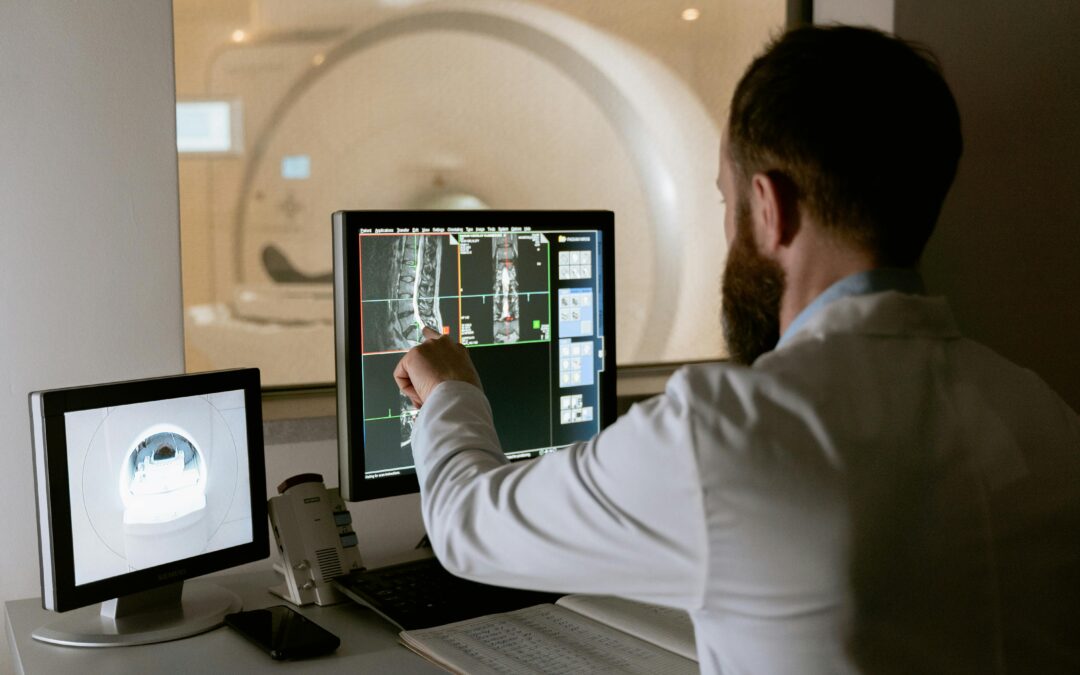
They might also order additional tests, such as an MRI, CT scan, bone scan, ultrasound, nerve studies, or blood tests.
Treatment Options
In addition to simple treatments done in the office, an orthopedist might suggest other options to help with chronic conditions.
These can include over-the-counter pain and inflammation medicine, physical therapy, exercise programs at home, injections, acupuncture, assistive devices, and surgery if other treatments don’t work.
Types Of Orthopedic Practices
Orthopedists can specialize in different areas called subspecialties.
Some of these include hand and upper limb care, foot and ankle treatment, orthopedic oncology (which deals with bone tumors and cancer), pediatric orthopedics, sports medicine, spine surgery, trauma surgery, and joint replacement.
Which Operations Can Orthopedic Surgeons Perform?
This section discusses some of the surgical procedures that orthopedic surgeons might do.
Total Joint Replacement (TJR)
TJR is one of the most common elective surgeries in the US.
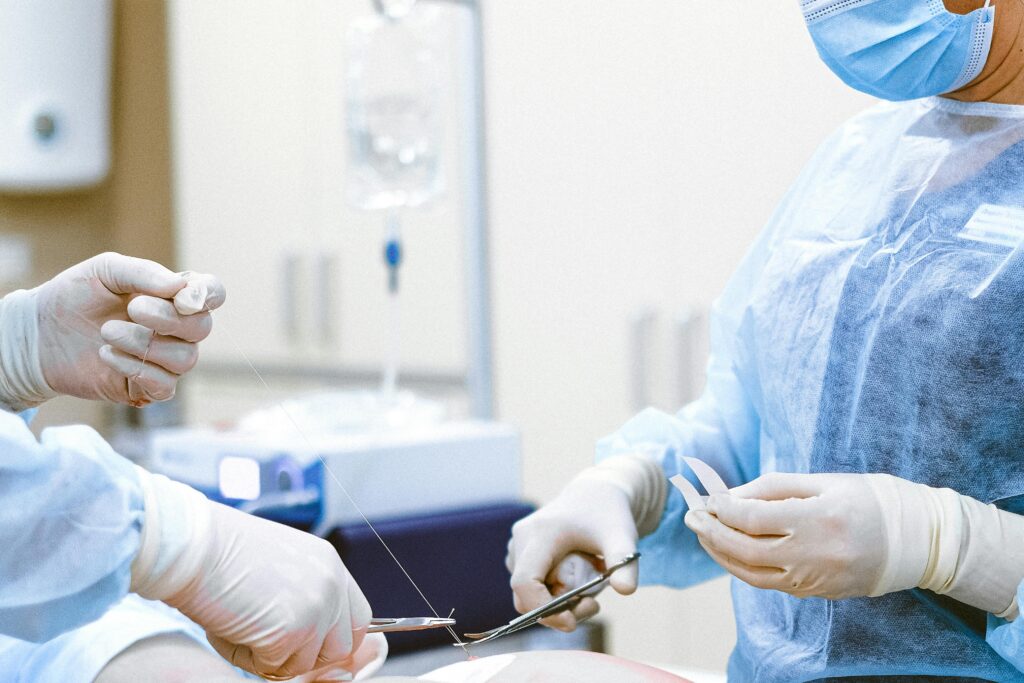
During this procedure, called arthroplasty, the surgeon removes the damaged parts of a joint and replaces them with a prosthetic device to mimic a healthy joint’s function. Many people find that they can do everyday activities more easily after this surgery.