
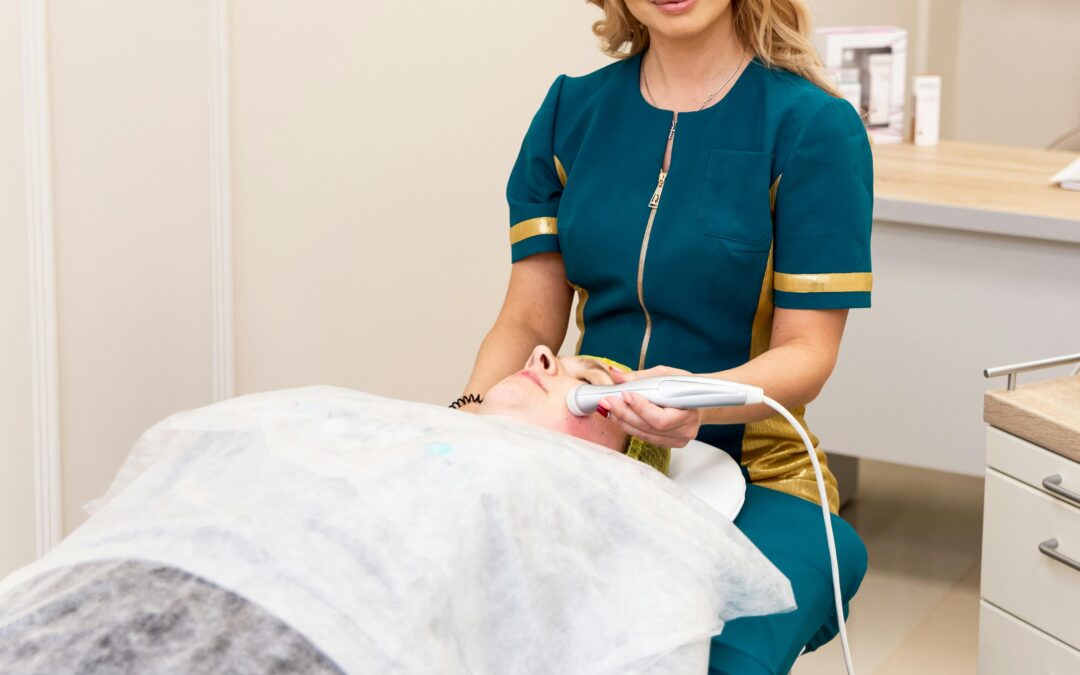
Laser hair removal is a method for eliminating undesired hair on the body. It is non-surgical, meaning it does not involve incisions in the skin. Individuals can receive this treatment on various body parts, with the most frequently treated areas being:
Face.
Underarms.
Bikini region, or areas where pubic hair grows.
Back.
Legs.
How Does Laser Hair Removal Function?
The technique of laser hair removal utilizes a method known as selective photothermolysis. The heat generated by the laser targets and damages cells rich in pigment (color). Dark hair, having a high pigment concentration, absorbs heat effectively. This heat is transferred to the hair follicles, leading to their destruction and preventing hair regrowth.
For the procedure to be effective, a hair follicle must be in its anagen or growth phase. Hair follicles exist in various stages at different times, so most individuals require several laser sessions.
Who Is Eligible For Laser Hair Removal?
Anyone with excessive body hair can undergo laser hair removal. It is primarily viewed as a cosmetic procedure. This treatment may enhance your appearance or boost your self-esteem. Many people also avoid the hassle of frequent shaving. Also read Laser Hair Removal in Singapore for more detailed information.
At times, laser hair removal helps with excessive hair growth due to:
Hirsutism, where women develop dark or coarse hair in areas typically associated with male hair growth.
Hypertrichosis, where both men and women experience excessive hair growth anywhere on their bodies.
These issues can arise from:
Specific drugs, including anabolic steroids and oral contraceptives.
Hormonal imbalances, particularly elevated testosterone or androgen levels.
Genetic disorders, conditions inherited from parents through their genes.
Polycystic ovary syndrome (PCOS).
Hormone-producing tumors.
Laser hair removal tends to be most effective for individuals who have dense, dark hair and lighter skin. The difference in color between skin and hair facilitates the absorption of heat by the hair. Its efficacy may be reduced in those with darker skin or in cases where hair is blonde, gray, white, or red.