
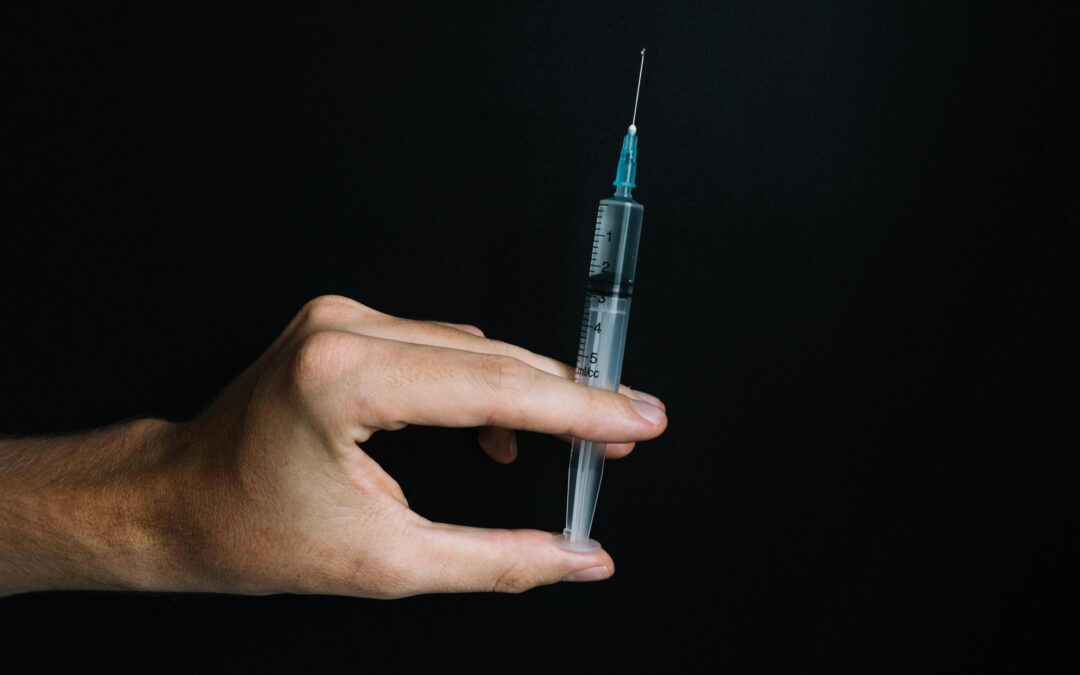
Collagen injections are a gentle cosmetic and medical treatment meant to improve the look of the skin, bring back volume, and reduce wrinkles and fine lines. Collagen is a natural protein in the body that helps skin and other tissues stay strong, flexible, and supported. As people age, their body makes less collagen, which can lead to issues like sagging skin, wrinkles, and a loss of fullness in the face.
There are different types of collagen used in injections.
The two main kinds are:
Autologous Collagen: This comes from the patient’s own body, usually taken from skin or other connective tissues.
Exogenous Collagen: This is from other animals, like cows or pigs.
It usually goes through a lot of cleaning to make it safe.
The process of getting collagen injections involves several steps:
First, you meet with a doctor who checks your medical history, skin condition, and what you want to achieve.
If you’re getting non-autologous collagen, a small test is done to make sure you don’t have an allergy.
On the day of the treatment, the skin is cleaned and sterilized to prevent infection.
A numbing cream or local anesthesia might be used to make you more comfortable.
Collagen injection singapore using thin needles into areas like the face, neck, hands, or other parts showing loss of volume or wrinkles.
The depth and amount of collagen used depends on the area and your goals.
After the injection, the treated area is gently massaged to spread the collagen evenly.
Ice may be applied to help with any swelling or discomfort.
The whole procedure usually takes 30 minutes to an hour, depending on how many areas are treated.
You’ll see results right away, but they may get better over the next few days as any swelling goes down.
The effects of collagen injections are not long-lasting because the body breaks down the collagen over time.
Most people need touch-ups every 3 to 6 months to keep up the results.
There are some risks and possible side effects.
These may include:
– Redness and swelling: These are common and usually go away in a few days.
– Bruising: This can happen at the injection sites.
– Allergic reactions: This is rare, especially with autologous collagen, but possible.
– Infection: Though not common, it can occur if proper steps aren’t followed.
Not everyone is a good candidate for collagen injections.
People with certain health issues, like autoimmune diseases or severe allergies, may not be able to have this treatment. A doctor will assess your situation to see if you’re a good fit.