
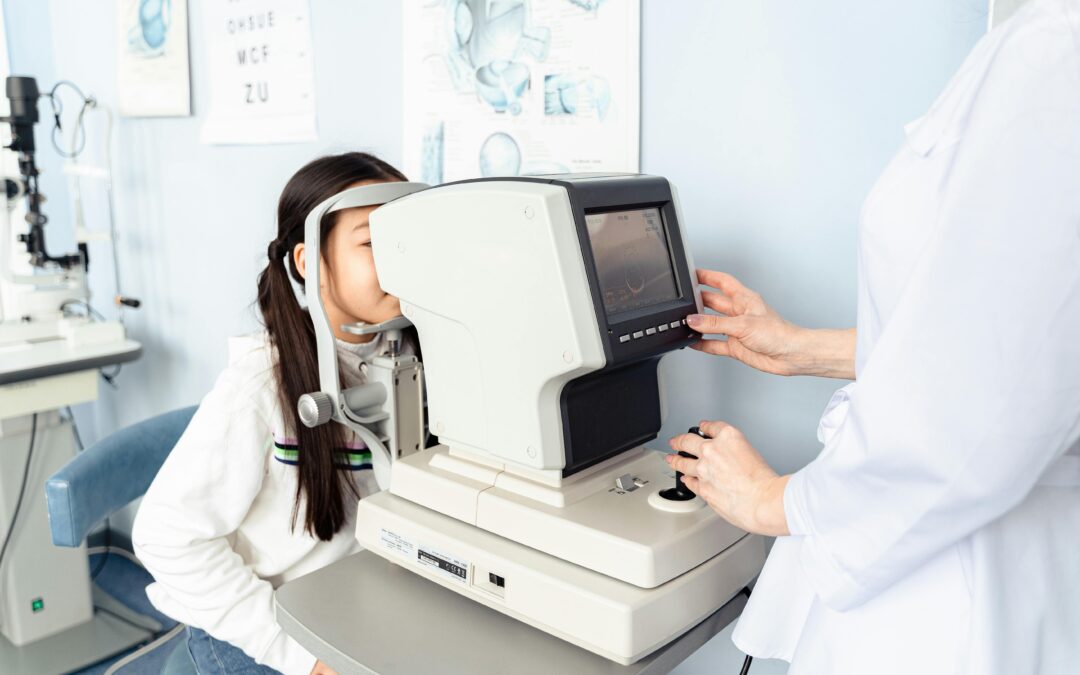
An ophthalmologist is a doctor who specializes in eye care. They are different from optometrists and opticians because they are trained as medical doctors (MD) or doctors of osteopathy (DO). They have special training and experience in diagnosing and treating problems with the eyes and vision.
What Education Is Needed To Become An Ophthalmologist?
To become an ophthalmologist, you need to earn a four-year college degree, usually in a premedical field.
Then you go to medical school for four years to get an MD or DO. After that, you must complete a one-year internship and at least three years of specialized training in eye and vision care.
In the U.S., you need to get a license from your state to legally practice as an ophthalmologist.
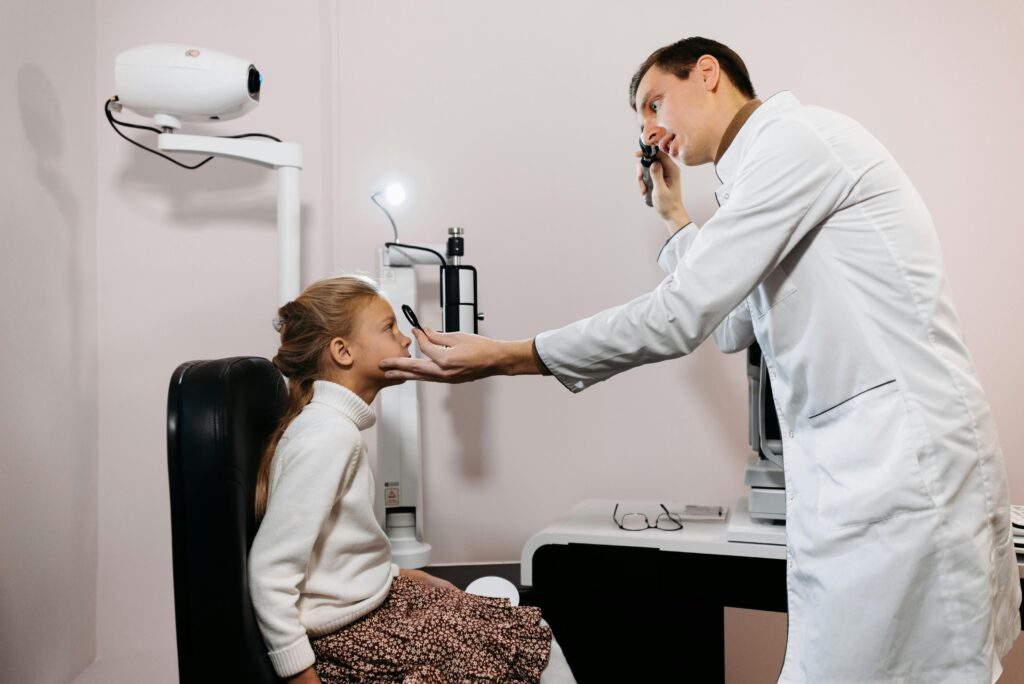
What Does An Ophthalmologist Do?
An ophthalmologist can provide all kinds of eye care, including:
– Eye exams
– Vision services, like prescribing glasses or contact lenses
– Diagnosing and treating vision problems caused by other health issues, like diabetes
– Prescribing eye medications
– Performing eye surgery
When Should You See An Ophthalmologist?
You should see an ophthalmologist seremban if you need surgery or specialized treatment for issues like:
– Farsightedness (hyperopia)
– Nearsightedness (myopia)
– Astigmatism
– Lazy eye (amblyopia)
– Posterior vitreous detachment
– Age-related eye problems, like macular degeneration
– Cataracts
– Glaucoma
– Retinal detachment
– Corneal disease
– Diabetes-related retinopathy
– Strabismus
– Serious eye injuries
When Should You Have Your Eyes Checked?
Getting your eyes checked regularly helps your ophthalmologist find problems early.
How often you should get checked depends on your age:
– Kids: A pediatrician checks your child’s eyes at each well-child visit until they start school, then every one to two years.
– Adults younger than 40: every five to 10 years.
– Adults between 40 and 54: every two to four years.
– Adults older than 55: every one to three years.
– If you have diabetes, you should get your eyes checked yearly to watch for early signs of retinopathy.
You may need more frequent exams if you wear glasses, contacts, or other visual aids.
Talk to your ophthalmologist or healthcare provider if you think you need more regular check-ups.
See your ophthalmologist or another eye specialist right away if you notice any changes in your vision.
Let them know if you experience:
– Eye pain that doesn’t go away
– Blurry vision
– Double vision
– A red eye
– Light sensitivity
– Your vision is getting worse or harder to see
– You see new floaters or flashes of light
What Questions Should You Ask Your Ophthalmologist?
You may want to ask:
– How often should I get my eyes checked?
– What treatments do I need?
– Will I need eye surgery?
– How long will it take to recover after surgery?
What’s The Difference Between An Ophthalmologist And An Optometrist?
Both ophthalmologists and optometrists are eye care professionals.
Ophthalmologists are medical doctors (MD) or doctors of osteopathy (DO) who went to medical school.
They can diagnose and treat any eye condition and perform eye surgery.
Optometrists are doctors of optometry (OD) who can diagnose and treat many eye problems, but they don’t do surgery.
If they find something that needs surgery, they may refer you to an ophthalmologist.
An ophthalmologist is an eye doctor who helps with all aspects of eye health.
They can do your routine eye exams and fix common vision issues. They can also perform surgery for more complex problems.
Some people see an ophthalmologist for all their regular eye care, while others only go when they need surgery or specialized treatment.
No matter when you visit, don’t hesitate to ask questions. Your ophthalmologist will make sure you understand all the tests, results, and treatments you need.