
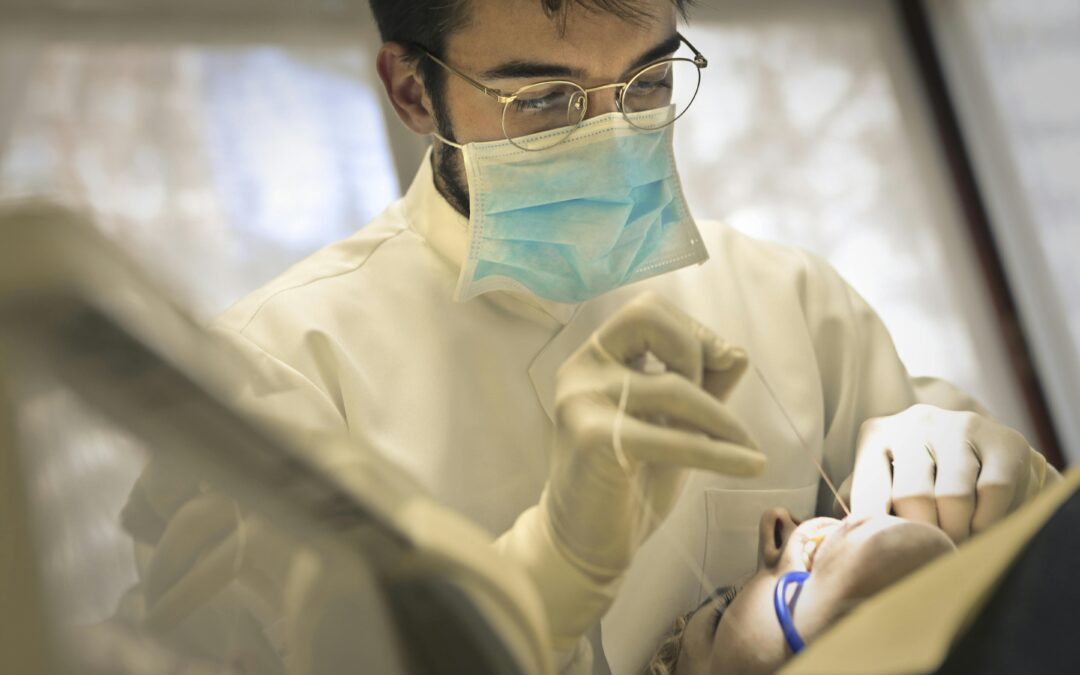
A general surgeon is a doctor and a surgeon who has been trained to take care of a patient in all the ways they might need, including performing surgery. Their role involves diagnosing and managing a wide range of medical conditions before, during and after surgery. This includes preoperative, operative, and postoperative care, and they often act as leaders of a surgical team.
General surgery is one of the 14 recognized surgical specialties by the American College of Surgeons.
While other surgical specialties focus on specific areas of the body, like the heart or the brain, a general surgeon typically deals with conditions affecting the abdominal area or the musculoskeletal system, or handles multiple injuries.
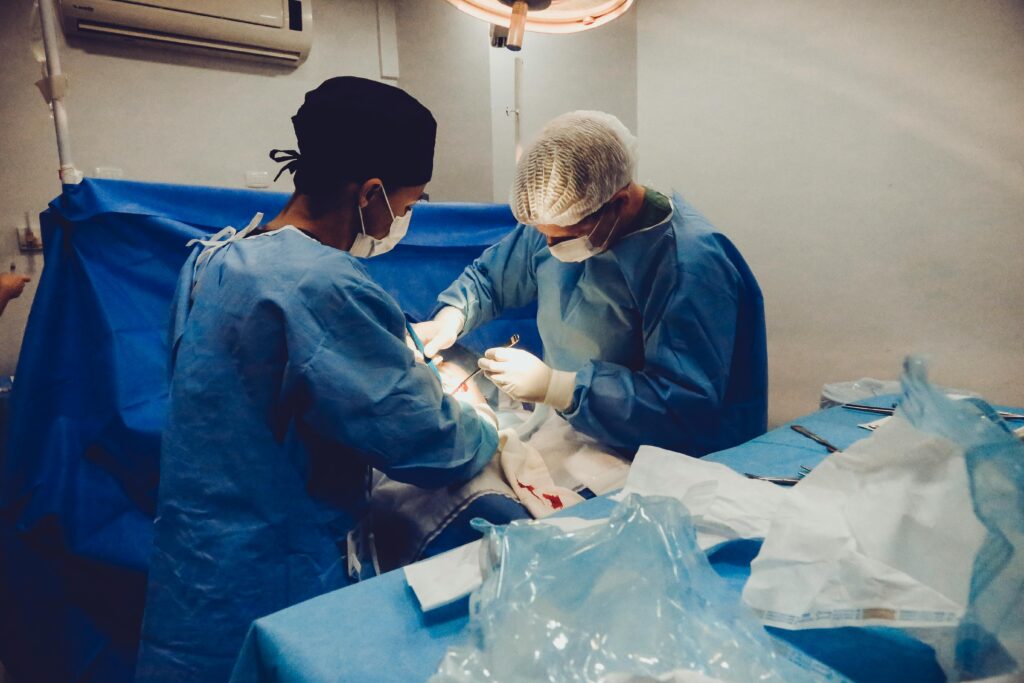
What Do General Surgeons Treat?
They are like family doctors who are also trained in surgery. They handle a wide variety of health problems and can perform various surgical procedures. If a general surgeon is unsure about a particular condition, they will refer the patient to a specialist for more focused care.
Some of the conditions that general surgeons treat include:
– Traumatic injuries, such as those from accidents or falls.
– Physical abnormalities that may require surgical correction.
– Breast cancer and other breast-related issues.
– Problems related to the upper gastrointestinal tract, including the esophagus, stomach, and small intestine.
– Conditions involving the biliary system, such as the gallbladder, bile ducts, pancreas, and liver.
– Disorders of the endocrine system, like those affecting the thyroid or adrenal glands.
– Vascular conditions that involve the body’s blood vessels.
– Cases of critical or terminal illness.
How To Become A General Surgeon?
This means completing four years of medical school and earning a medical degree. Then, they undergo a minimum of five years of progressively challenging surgical residency training. Each year of this training qualifies them for the next level of expertise.
After finishing their training, general surgeons must pass two board exams to become certified.
The first is a qualifying exam, which is a multiple-choice test that confirms their knowledge. Once they pass this, they are eligible to take the certifying exam, an oral examination. Passing this certifying exam leads to their certification as a general surgeon.
What Do General Surgeons Study?
Their training covers the nine major areas of general surgery, which include:
– The gastrointestinal tract.
– The abdominal and pelvic organs.
– Breasts, skin, and soft tissues.
– The head and neck region.
– The cardiovascular system.
– The endocrine system.
– Surgical oncology, specifically in treating cancer.
– Trauma, including injuries to the musculoskeletal system and the head or hand.
– Critical care and emergency surgical procedures.
During their training, general surgeons must spend at least four and a half years working directly with patients.
Of these five years, at least three should focus on the nine main components of surgery. They are also not allowed to spend more than 12 months in any single surgical specialty or more than six months in a nonsurgical discipline.
Once in practice, the procedures a general surgeon performs can vary depending on where they work.
In large medical centers, certain surgeries might be handled by specialists, while in smaller centers, Top general surgeon seremban might perform a wider range of procedures.
Some of the common surgical procedures that general surgeons perform include:
– Anti-reflux surgery, such as Nissen fundoplication, to treat acid reflux.
– Appendix removal, known as an appendectomy, for appendicitis.
– Bariatric or weight loss surgery, like gastric bypass.
– Breast surgery for various conditions including cancer removal.
– Exploratory surgery, which might be done via laparotomy or laparoscopy.
– Gallbladder removal, or cholecystectomy, for gallstones.
– Hernia repair surgery.
– Prostate removal, or prostatectomy.
– Spleen removal, known as splenectomy.
– Uterus removal, or hysterectomy.
General surgeons today are trained in the latest technology-assisted techniques, such as:
Endoscopy:
This technique allows a surgeon to perform small procedures without cutting through the skin or tissues.
Instead, they use long, thin tools through an endoscope, which is a long, flexible tube with a video camera. The endoscope can be inserted through the throat for upper endoscopy or through the anus for colonoscopy. The video image is displayed on a screen, and the surgeon uses it to guide the procedure. Common endoscopic procedures include removing polyps or tumors, taking tissue samples for biopsy, or cutting tight muscles to release them.
Laparoscopic Surgery:
This is a minimally invasive technique where abdominal organs are accessed through small incisions, usually less than half an inch in length.
A laparoscope, which is a type of endoscope, is inserted through one of these incisions to provide a visual image on a screen. The surgeon uses other long, narrow tools through another incision to perform the surgery, guided by the screen. Common laparoscopic procedures performed by general surgeons include appendectomy, cholecystectomy, and gastric bypass surgery.
Robotic Surgery:
This is a form of laparoscopic surgery that uses robotic arms to control the surgical tools.
The surgeon sits at a console in the operating room and operates the robotic arms, which perform the surgery with greater precision. General surgeons may learn robotic surgery during their standard training or choose to take additional training, such as a fellowship, to specialize in this technique.