
What Is A Vascular Surgeon?
A vascular surgeon is a doctor who treats issues with your blood vessels, except those in your heart and brain.
They take care of a wide range of vascular problems, including wounds, injuries, blood clots and pressure problems.
Your body has about 60,000 miles of blood vessels, including arteries, veins and lymphatic vessels.
Vascular surgeons know a lot about these blood vessels and how they work. They understand what can go wrong and how to help you manage vascular diseases so you can feel better.
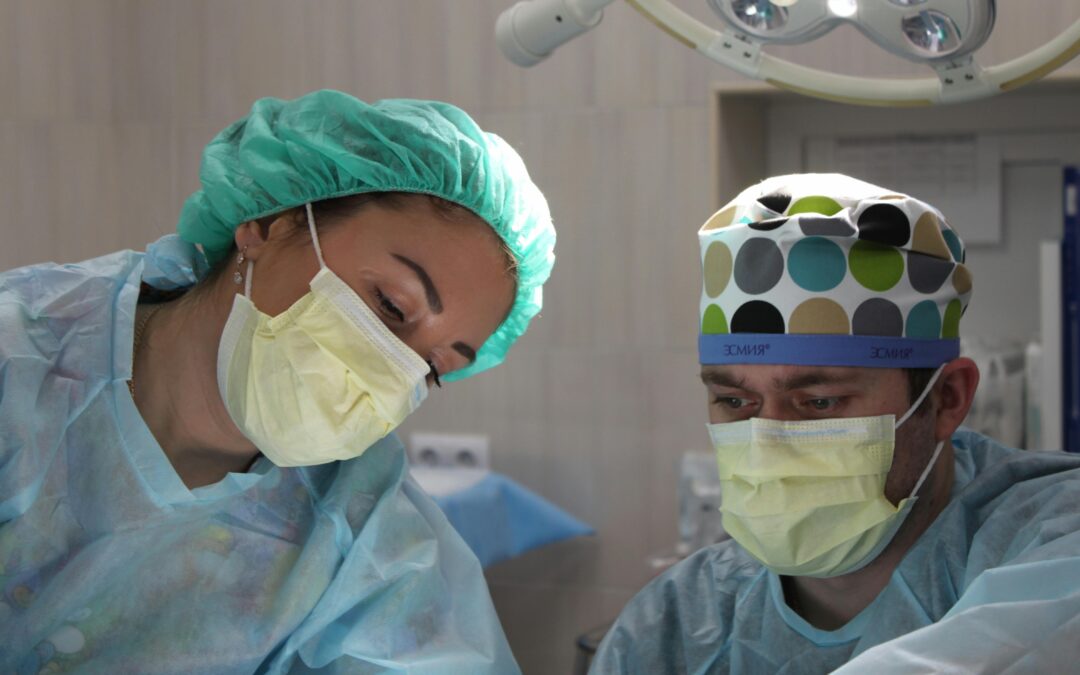
Depending on your situation, you might meet a vascular surgeon in their office, at a hospital or during surgery.
Vascular surgeons are very skilled and often handle complex medical challenges and tricky anatomy.
They are sometimes called the “surgeon’s surgeon” because they deal with difficult cases and help when problems come up in other surgeries. For example, they can assist if a blood vessel blocks or bleeds unexpectedly during another surgeon’s operation.

What Does A Vascular Surgeon Do?
Vascular surgeons help people with diseases that affect blood vessels outside the heart and brain.
They check your risk for problems, diagnose issues and make treatment plans. They offer various treatments, including medicine and lifestyle changes like exercise or diet.
A vascular surgeon can help save a limb or even a life.
They can stop strokes and aneurysms from bursting and ease symptoms from blocked arteries. They also do procedures and surgeries to treat vascular diseases. These can be small, minimally invasive procedures or more complex open surgeries. Some procedures mix both types of approaches.
Your vascular surgeon will get to know you and support you over time because many vascular conditions need ongoing care.
Often, people with blood vessel issues also have other health problems, so their treatment plans can be complicated. Vascular surgeons work with other doctors to make sure you get the right care every step of the way.
What Diseases Do Vascular Surgeons Diagnose And Treat?
Vascular surgeon seremban manage many conditions that affect the blood vessels, such as:
– Aortic aneurysms (a bulge in the aorta’s wall)
– Atherosclerosis (the most common condition)
– Autoimmune diseases affecting blood vessels
– Blood clots
– Carotid artery disease (blockage or narrowing in the carotid artery)
– Cerebrovascular disease
– Chronic limb-threatening ischemia (poor blood flow to a limb)
– Chronic venous insufficiency (damaged leg veins)
– Deep vein thrombosis (blood clot)
– Dialysis access
– Diabetes-related foot ulcers
– Endoleak (blood flowing in the wrong place after repair)
– Median arcuate ligament syndrome (compressed artery in the belly)
– Mesenteric ischemia (not enough blood flow to the intestines)
– Nutcracker syndrome (compressed vein in the belly)
– Thoracic outlet syndrome (compressed blood vessels and nerves in the neck and arms)
– Peripheral artery disease (narrowing of leg arteries)
– Peripheral artery and venous aneurysms
– Popliteal artery entrapment syndrome (compressed artery behind the knee)
– May-Thurner syndrome (compressed vein in the pelvis)
– Stroke
– Superficial venous thrombosis (blood clot)
– Varicose (swollen) veins