
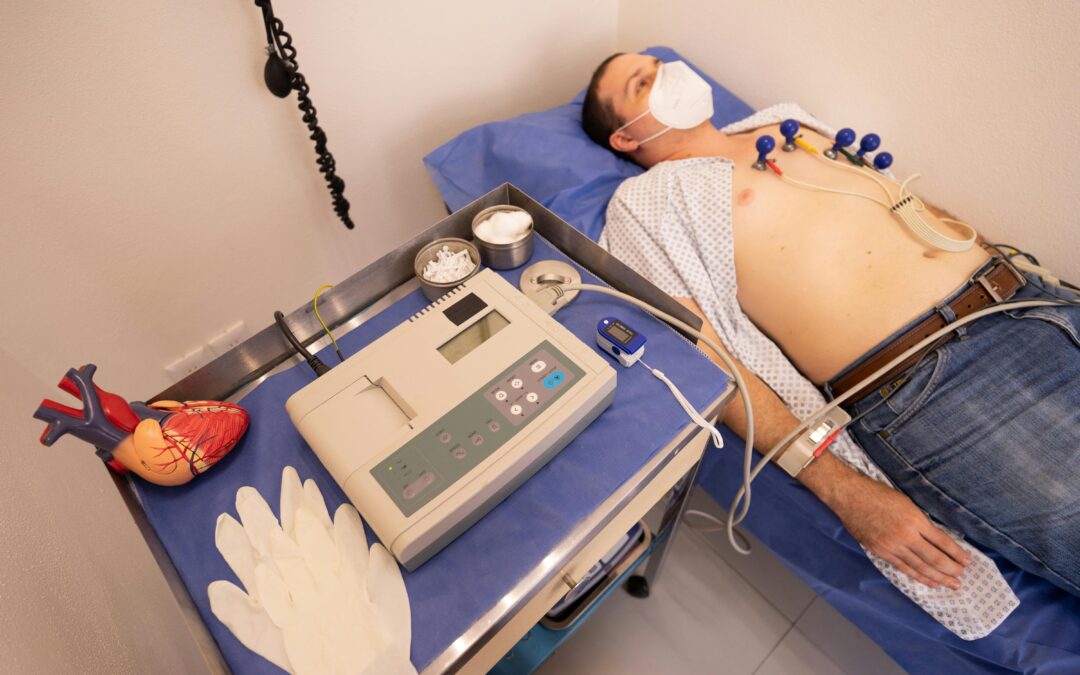
What Is A Cardiologist?
A cardiologist is a doctor who knows a lot about diseases of the heart and blood vessels.
They help treat heart problems and also help prevent them.
After going to medical school for four years, cardiologists spend three years learning about general internal medicine as residents.
Then, they spend at least three more years training specifically in cardiology.
Once they finish their cardiology training, cardiologists take exams to become certified by a national group.
They also keep their certification by taking tests regularly.
Cardiologists need to stay updated on the newest ways to treat heart problems to give the best care.
They also need to be good at listening to your symptoms and finding the right solution for your problem.
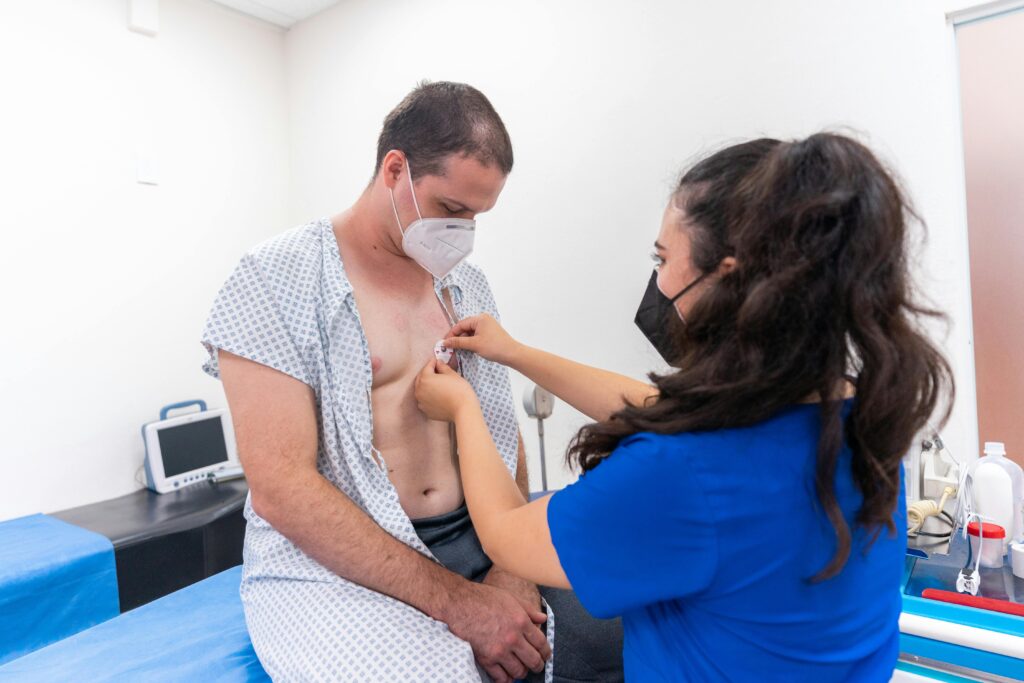
What Does A Cardiologist Do?
A cardiologist is a healthcare provider who can treat chest pain, high blood pressure, heart failure, and other heart and blood vessel problems.
They can order tests like electrocardiograms, echocardiograms, CT scans, cardiac MRI, and nuclear imaging to find out what’s wrong. With their diagnosis, they can give you medicine, help you start exercising and eating better, or do a cardiac catheterization. If you need heart surgery, they can refer you to a cardiothoracic surgeon.
A cardiologist will do a physical exam and talk with you about your symptoms, medical history, and family history.
It’s important to let your cardiologist know if other people in your family have had heart problems because that could increase your risk.
Some basic information can help your cardiologist understand your heart and blood vessel health, like:
Your weight.
Your blood pressure.
Your cholesterol levels.
Your blood glucose (sugar) levels.
Your provider will look at all of this information along with test results to determine your risk for heart problems.
They’ll also want to know if you smoke, how active you are, what you eat, and what medicines you’re taking.
What Diseases Do Cardiologists Treat Or Help You Prevent?
Top cardiologist in seremban can treat a wide range of heart and vascular problems, including:
Atherosclerosis.
High blood pressure.
High cholesterol.
Angina (chest pain).
Cardiac arrest.
Heart failure.
Heart attack.
Blood clots.
Atrial fibrillation and other heart rhythm problems.
Endocarditis.
Cardiogenic shock.
Heart valve problems.
Heart abnormalities.
Cardiomyopathy.
Myocarditis.
Issues with your pericardium, like pericarditis.
Congenital (present at birth) conditions.
Problems with your aorta, like aneurysm or stenosis.
Problems with your arteries (peripheral artery disease, subclavian artery disease, renal artery disease, coronary artery disease).
Stroke.
What Kinds Of Tests Does A Cardiologist Do?
A cardiologist can order the following tests, but other healthcare providers may also perform some of these tests:
Cardiac catheterization.
Chest X-ray.
Blood tests.
Heart MRI (magnetic resonance imaging).
Cardiac CT (computed tomography).
Coronary angiogram.
Stress tests.
Electrocardiogram (EKG).
Echocardiogram (Echo).
Transesophageal echocardiogram (TEE).
Holter monitor.
Event monitor.
Implantable event recorder/implantable loop recorder.
When Should You See A Cardiologist?
Your primary care provider may refer you to a cardiologist if you have a heart or blood vessel problem that needs more attention.
Your cardiologist may work with you for a long time to monitor your condition. You may need to see a cardiologist if you have:
Chest pain.
Dizziness.
Shortness of breath.
Heart palpitations.
What Does A Cardiologist Specialize In?
A cardiologist specializes in heart diseases, which are the leading cause of death in America.
Cardiologists can also work in more specialized areas of heart care, such as treating heart failure, heart rhythm problems, or congenital conditions.
Types Of Cardiologists
There are many different types of cardiologists.
They specialize in different areas of heart and vascular care, such as cardiac imaging or cardiac rehab.
Although all cardiologists are experts in understanding your heart and blood vessels, they can focus on more specific areas.
Some types of cardiologists include:
Clinical cardiologist.
Heart failure specialist.
Pediatric cardiologist.
Interventional cardiologist.
Cardio-oncologist.
Congenital heart specialist.
Cardiac imaging specialist.
Peripheral interventional cardiologist.
Preventive cardiologist.
Cardiac rehabilitation specialist.
Electrophysiologist.
Geriatric cardiologist.
Cardio-rheumatologist.
Sports cardiologist.
Critical care cardiologist.