
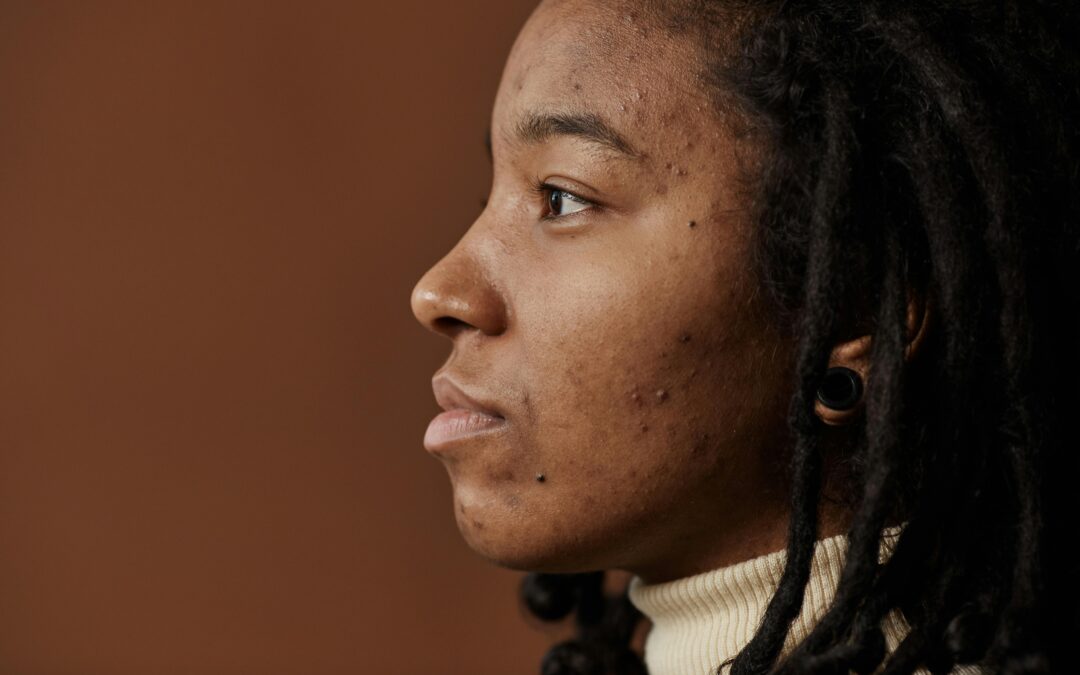
An acne spot, commonly referred to as a pimple, occurs when a blend of bacteria, oils, and dead skin cells congests and irritates the pores, which are the minute openings in your skin that allow oil and sweat to come through. Approximately 40,000 skin cells shed every hour; however, there are instances when these deceased cells block a pore. When this happens, the obstructed pores may become small, leading to the formation of “whiteheads or blackheads. ” Occasionally, these clogged pores can become inflamed, resulting in other acne varieties.
If you struggle with acne, you are not the only one! Acne is the most prevalent skin disorder globally. Roughly 80% of individuals aged 11 to 30 are likely to experience it. The development of acne in teenagers is largely due to hormonal changes. In adults, the causes range from stress, environmental factors, menstrual cycles, the use of oil-based products, to birth control pills, though hormones can still influence it.
What Kinds Of Acne Exist And How Do They Appear?
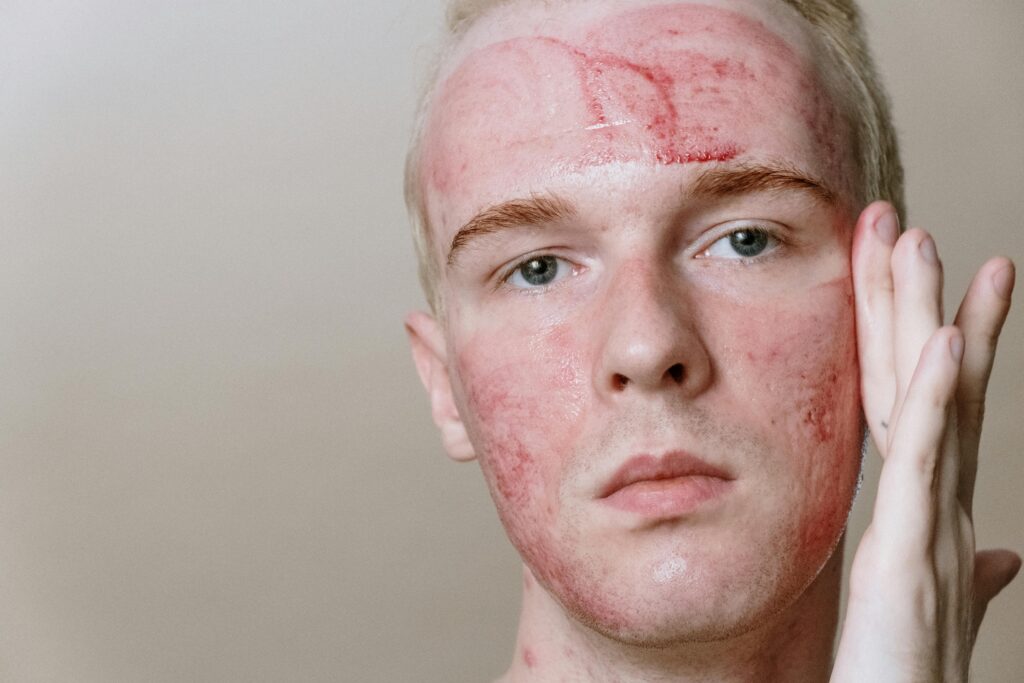
Acne can manifest in several different ways. Common forms like whiteheads and blackheads usually heal with minimal issues. However, other types can result in scars:
Papules: These are pinkish or reddish bumps that may be painful to the touch.
Pustules: These lesions contain pus, appearing red at the base with a white or yellow tip.
Nodules: These are solid lesions that are larger and typically more painful than papules and pustules, as they penetrate deeper into the skin.
Cysts: These are deeply located in the skin, painful, filled with pus, and are associated with a high likelihood of scarring.
How Do Scars From Acne Form?
Your skin, being the largest organ of your body, consists of three primary layers. They are, from the outside in: the epidermis, the dermis, and the hypodermis. These layers serve to shield your delicate insides from external factors, including UV rays and bacteria, while also aiding in the production of vitamin D through sunlight exposure. Areas with sebaceous glands are especially susceptible to acne, particularly the face, back, and chest. Also read acne scar treatment Malaysia for more detailed information.
The inflammation of acne lesions leads to the formation of scars. As the acne pore becomes swollen, a rupture can occur in its wall. Some acne spots are minor, resulting in superficial scars that heal rapidly. In some cases, the contents of these spots may seep into nearby tissue, resulting in more profound scars. The body responds to this damage by creating new collagen fibers to repair the scar.
Acne scars generally fall into two categories: one type occurs when there’s a loss of tissue, creating a depression on the skin’s surface, while another type results in a raised scar on the skin’s surface. The latter indicates that the skin is effectively performing its repair duties, but perhaps excessively so. When the skin produces collagen, which is necessary for healing the acne wound, an overproduction can lead to raised scars.