
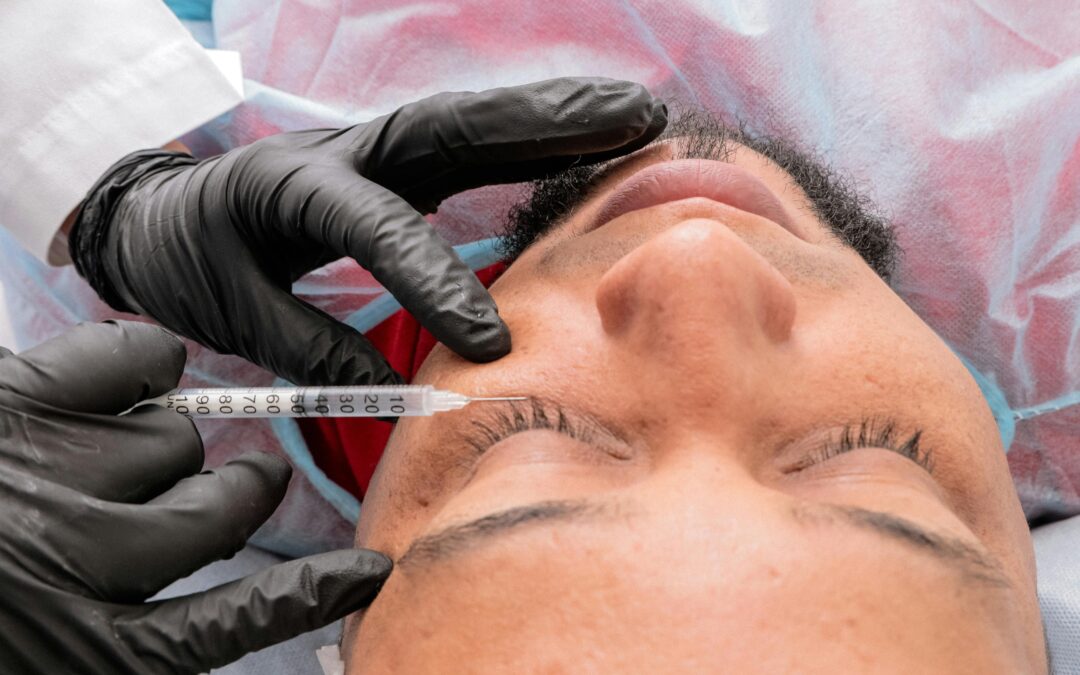
There are various categories of dermal fillers available. Besides the commercially available fillers that are made from synthetic materials and substances that are naturally found in your body, medical professionals can utilize fat harvested from your own body. This method is referred to as “autologous fat grafting,” a process in which fat is extracted from one area and injected into your facial region.
The Off-The-Shelf Filler Options Include:

Hyaluronic Acid (HA) is a naturally present substance in your skin that provides volume and maintains hydration. As you age, the production of hyaluronic acid diminishes. The effects of HA injections typically persist for six to twelve months. Restylane® represents a frequently utilized form of HA filler.
Calcium Hydroxylapatite (CaHA) represents a filler made from a substance found in your bones. The effects of these fillers usually last for about a year. CaHA fillers are often applied for more pronounced wrinkles. Radiesse® is an example of a CaHA filler.
Poly-L-Lactic Acid (PLLA) promotes your body’s production of its own collagen. Medical professionals commonly use poly-L-lactic acid to diminish deep facial wrinkles. The outcomes can last two years or even longer. Sculptra® is one kind of PLLA filler.
Polymethylmethacrylate (PMMA) fillers are composed of collagen and tiny spheres that remain beneath the skin after being injected by your healthcare provider. These spheres enhance skin volume and firmness. Bellafill® is a specific type of PMMA filler.
Your healthcare provider will evaluate the different dermal fillers available and discuss the most suitable choice for you. It’s advisable to discuss achievable objectives and anticipated results following the injections with them.
Treatment Details
What Occurs Prior To Receiving A Dermal Filler?
Prior to undergoing Dermal Filler in Singapore treatment, a consultation with your healthcare provider will be arranged. You might consider seeing a dermatologist, a healthcare specialist focused on skin care. They will inspect your face and inquire about your goals and the specific areas you wish to improve.
They may use a pen or marker to indicate where the injections will be administered. They might also capture photographs of your face. Your healthcare provider will suggest a particular type of filler or multiple fillers and explain potential side effects and recovery time involved.
During this consultation, your provider will also inquire about your medical background. It’s crucial to inform them of any medications you are taking, as certain drugs may elevate the risk of complications post-filler treatment. Be sure to disclose if you have:
Allergies.
A history of bruising or bleeding following similar procedures.
Neurological issues.
Skin disorders.