
What Is A Dermatologist?
Your skin is your biggest and heaviest organ, and it has a lot of important jobs.
It keeps you safe from heat, cold, germs, and harmful things. It also gives you a clue about your overall health. If your skin looks or feels different, it could mean there’s a health issue going on. Taking proper care of your skin and keeping it healthy is really important.
A dermatologist is a doctor who knows a lot about taking care of:
Skin.
Hair.
Nails.
They are experts at finding and treating problems with skin, hair, and nails.
They can also help with cosmetic issues, like hair loss and scars.
What Do Dermatologists Do?
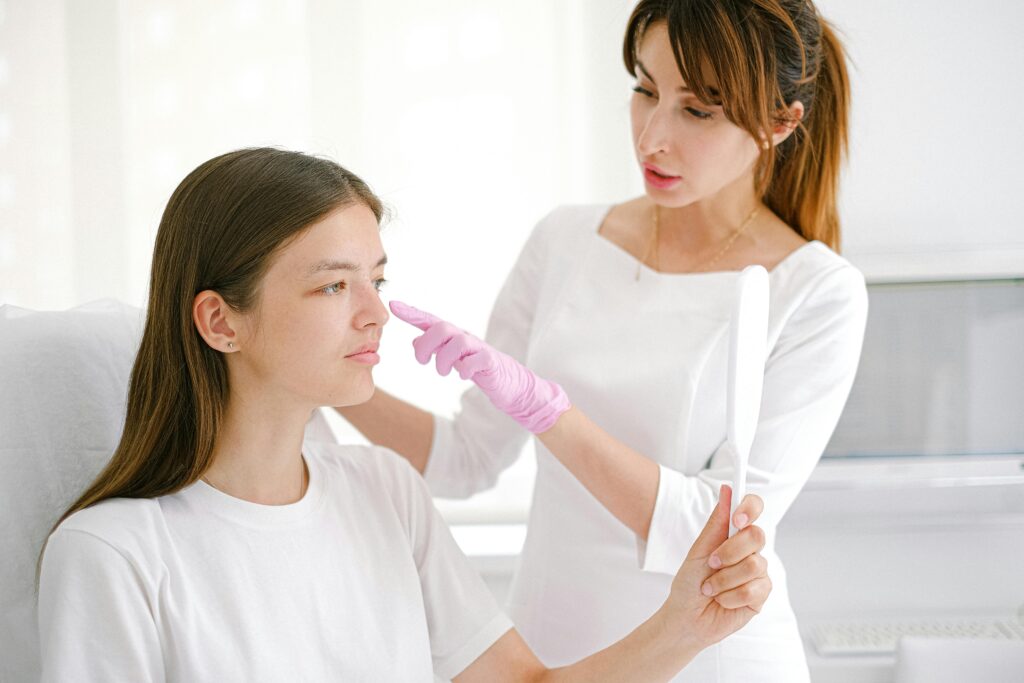
Dermatologists help diagnose and treat skin problems.
They can also spot skin symptoms that might show there is a problem inside your body, like organ disease or failure.
Dermatologist seremban often do special tests to find out what’s wrong with your skin.
They use many kinds of treatments, including:
Medicine you apply to the skin or get injected.
Treatment using ultraviolet (UV) light.
Surgical procedures like removing moles or taking a skin biopsy.
Cosmetic treatments like chemical peels, sclerotherapy, and laser treatments.
What Training And Qualifications Do Dermatologists Have?
To become a dermatologist, doctors go through:
Four years of college.
Four years of medical school.
One year of internship (training in dermatology and other areas).
Three years of residency (more training focused on dermatology).
One to two years of fellowship (optional, but extra training in a specific area of dermatology).
Licensing and certification.
Tthey have to get a medical license and pass a board exam given by the American Board of Dermatology, the American Osteopathic Board of Dermatology, or the Royal College of Physicians and Surgeons of Canada.
What Are Some Common Conditions That Dermatologists Treat?
Some of the most common issues a dermatologist might help with include:
Acne.
Eczema.
Hair loss.
Fungal infections of the nails.
Psoriasis.
Skin cancer.
Rosacea.
What Procedures Do Dermatologists Perform?
Common procedures include:
Electrosurgery: This uses high-frequency electricity to cut or remove tissue.
Cryosurgery: This uses extreme cold to freeze and destroy tissue.
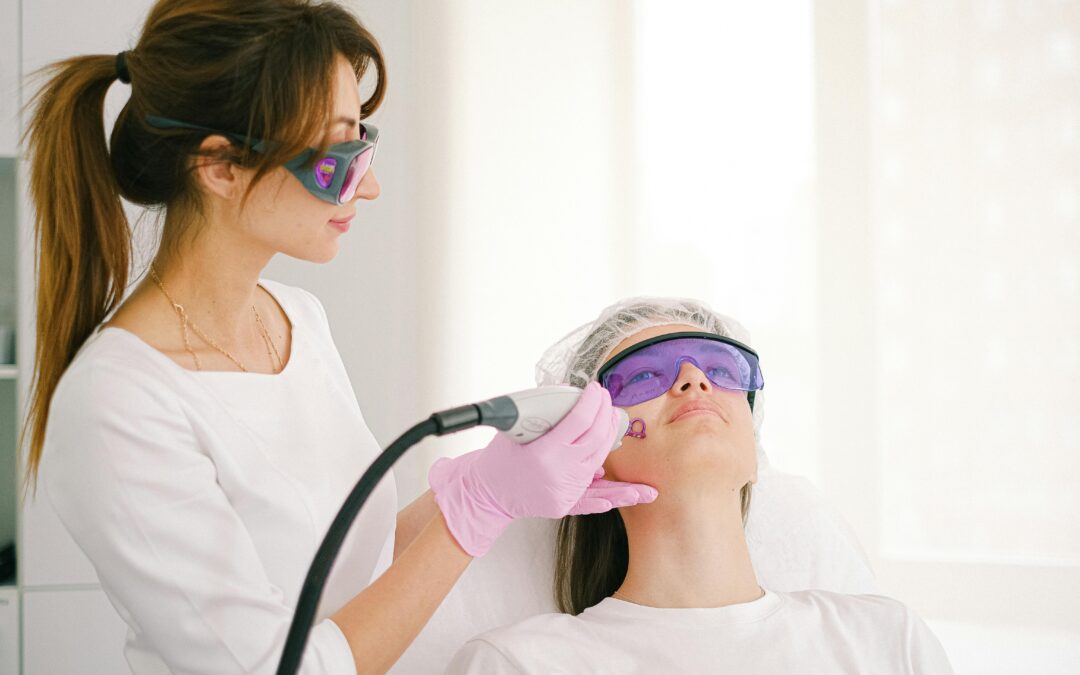
Laser surgery: This uses special light beams to treat skin issues.
Excision surgery: This uses a scalpel to remove tissue and close the area.
Mohs surgery: This is a technique where layers of skin are removed to treat cancer.
Mole removal: This is removing a mole, and they check it for cancer or other disease.
Vein treatment: Dermatologists may use sclerotherapy or laser treatments for damaged veins.
What are some subspecialties in dermatology?
Some areas within dermatology include:
Dermatopathology.
Mohs surgery.
Pediatric dermatology.
Cosmetic dermatology.
What Is The Difference Between A Dermatologist And An Esthetician?
Estheticians are not medical doctors.
They can’t diagnose skin problems or give medications. They can only help with treatments that improve the look of your skin. Some of the treatments they offer include:
Exfoliating your skin.
Teaching how to use makeup to hide scars.
Applying acne treatments.
Suggesting skincare products.
Waxing.
Airbrush tanning.
When should I see a dermatologist?
You may want to see a dermatologist if you have:
A skin patch or mole that has changed in size, color, or shape.
Skin cancer.
Severe or ongoing acne.
A rash.
Hives.
Scars.
Eczema.
Psoriasis.
Dark spots on your face (hyperpigmentation).
Long-term skin irritation.
Infections.
Warts.
Hair loss.
Nail problems.
Signs of aging.
Varicose or spider veins.