
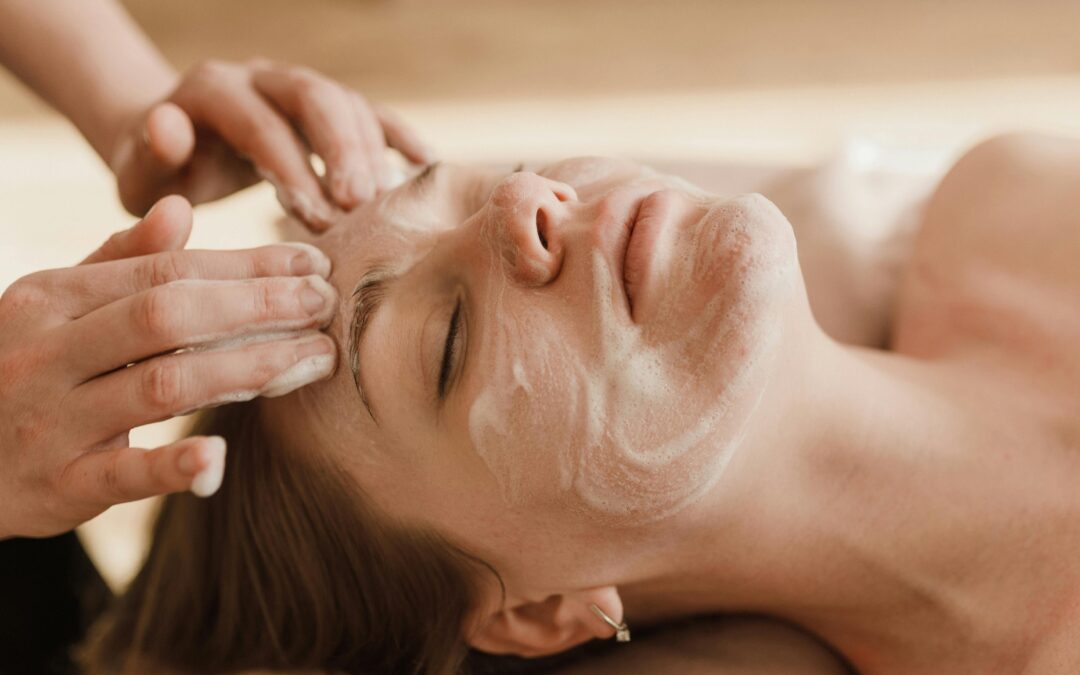
Various facial treatments can assist in achieving a more youthful look. The selection of the appropriate treatment is influenced by personal choices and specific skin concerns. The following are common types of facial treatments:
Chemical Peel
A chemical peel entails applying a solution to the skin that facilitates the shedding of some layers, resulting in refreshed skin underneath that often appears less damaged with fewer lines and wrinkles.
Chemical peels are categorized into three types:
Superficial or Light Peel:
This is the gentlest form, utilizing a mild acid that targets only the outer layer of skin, helping to address minor discoloration and rejuvenate the skin. Recovery typically takes 1 to 7 days.
Medium Peel:
This variety penetrates into the mid-skin layers with the use of glycolic or trichloroacetic acid. It can assist in diminishing the look of wrinkles, fine lines, age spots, skin discoloration, and rough texture. Healing usually takes 7 to 14 days.
Deep Peel:
This type goes deeper into the skin’s middle layers using trichloroacetic acid or phenol. It can significantly lessen moderate wrinkles, age spots, and certain scars, often leading to the most dramatic changes in skin appearance. The healing process can take 14 to 21 days.
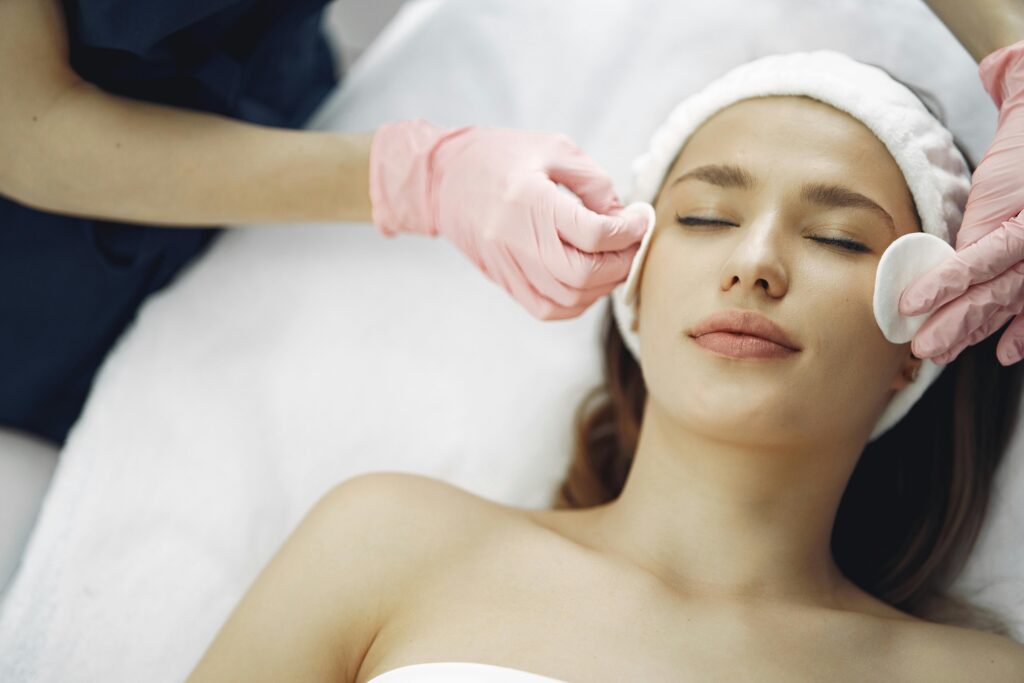
Skin care specialists might suggest a regimen to follow for 2 to 4 weeks ahead of the treatment. During a chemical peel appointment, the skincare professional will first cleanse the area before applying the solution. The procedure will be closely observed, and the peel is removed in sections.
Deep chemical peels necessitate a medical environment and general anesthesia for the procedure. Post-treatment, the area will need to be covered with a surgical dressing.
Chemical peels conducted by qualified professionals tend to have only minor side effects, which may include:
long-lasting redness of the skin
temporary darkening of the skin
lightening of skin tone
potential for scarring
risk of infection
Only trained dermatologists or dermatologic surgeons should carry out a chemical peel.
Microneedling
Microneedling utilizes small needles to create tiny punctures in the skin, stimulating collagen production. This method can help reduce the visibility of wrinkles and fine lines, discoloration, and loose skin. Also read anti aging facial singapore for more information.
Microneedling is generally considered safe for most people and can be performed at home or in non-medical environments, although the effects may be less substantial. There is a higher likelihood of experiencing side effects in these situations.
Even though microneedling is largely safe, potential side effects could include:
skin irritation from excessive use at home
risk of infection
scarring
transmission of skin viruses
skin damage
Typically, results from microneedling start to appear within a few weeks and become fully apparent after several months. The outcomes will gradually diminish at varying rates, and subsequent microneedling sessions may be needed to sustain the desired changes.
Discomfort during microneedling is usually minimal.