
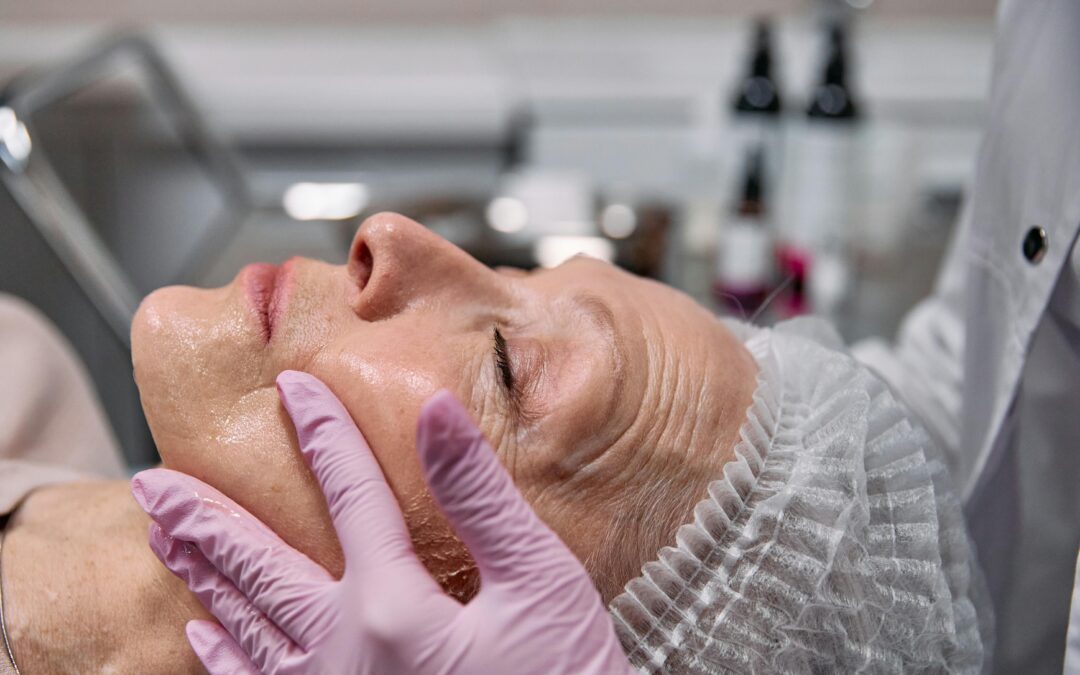
What Are Wrinkles?
Wrinkles are lines that appear on your skin.
Like the creases in a shirt that needs to be ironed, wrinkles can show up on your skin, especially on your face, neck, hands, and arms. They can look like folds or bumps on your skin. Wrinkles are a natural part of your body getting older.
What Causes Wrinkles?
There are several things that can lead to wrinkles, including:
Aging: As you grow older, your skin cells don’t divide as quickly, which makes the top layer of your skin thinner and wrinkles appear.
Starting in your 30s, you lose about 1% of your collagen every year. Collagen helps your skin stay elastic and flexible, so less collagen can lead to more wrinkles.
Facial Muscle Movement: When you smile, frown, or squint, your facial muscles move.
Over time, these movements can create lines between your eyebrows and around your eyes because of less fat or bone support and the pull of gravity on your skin.
Sun Damage: Getting too much sun can make your skin age faster.
The sun’s UV rays can harm collagen in your skin, which is important for keeping your skin elastic and flexible, helping to prevent wrinkles.
Smoking: Using tobacco products can slow down your body’s production of collagen.
Without enough collagen, wrinkles can form more easily.
Who Is A Good Candidate For Wrinkle Treatments?
Wrinkle treatment Singapore isn’t always needed for wrinkles, but it’s an option if you want to look better.
Anyone with wrinkles can choose to get treatment. The most common age group that gets treatment for wrinkles is between 40 and 55 years old.
You might decide to get treatment if you’re not happy with how your wrinkles look.
Treatment can help smooth your skin and reduce the look of wrinkles, giving you a more youthful appearance.
How Common Are Procedures To Treat Wrinkles?
Non-surgical treatments for wrinkles are very common.
In 2020, more than 4 million treatments for wrinkle-relaxing injections were done.
What Happens Before A Wrinkle Treatment Procedure?
Before having any treatment for wrinkles, you’ll meet with your healthcare provider to talk about your medical history, any allergies, your worries, and what you hope to achieve from the treatment.
Your provider will use this information to suggest the best treatment options for you. It’s important to remember that each treatment option is different, and what works for one person might not work for another.
Depending on the treatment you choose, your provider might tell you to avoid the sun or to use sunscreen when you’re outside to protect your skin from the sun’s UV rays.