

Allergies
Allergic responses and dry eyes can lead to dark circles.
During an allergic response, your body releases histamines to combat the perceived threat. This can lead to your eyes becoming itchy, red, and swollen. Rubbing the affected area might result in inflammation, swelling, and ruptured blood vessels, which may cause pigmentation changes after the inflammation has subsided.
Ocular Hypotensive Medications
Certain eye drop medications used for managing glaucoma, including latanoprost and bimatoprost, have the potential to cause posterior ocular hyperpigmentation.
These effects usually arise within three to six months after initiating bimatoprost therapy.
In some cases, these changes may be lasting, so it is advisable to consult a physician if you notice significant changes in color.
Eyestrain
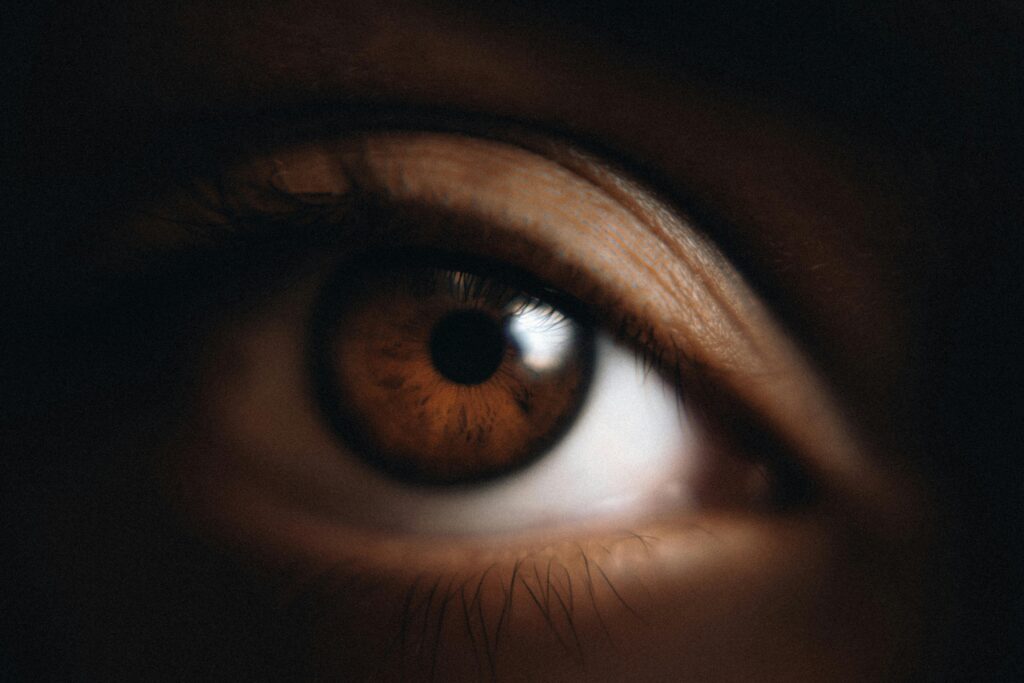
Focusing on a computer or TV screen for extended durations can lead to eyestrain. This strain might cause the blood vessels around your eyes to expand, which could result in dark circles appearing.
Dehydration
Lack of adequate hydration may contribute to the development of posterior ocular hyperpigmentation. If your body is not sufficiently hydrated, the skin under your eyes may appear dull, and your eyes could look sunken. This is a result of their proximity to the underlying bone structure. Also read Dark Eye Circle Treatment Singapore for more information.
Prolonged Sun Exposure
Excessive exposure to sunlight or injury can result in the formation of dark circles beneath your eyes, a condition referred to as post-inflammatory pigmentation.
Too much sun exposure might lead to the production of excess melanin, which is the pigment responsible for skin color. Your body may transfer this surplus melanin under your eyes, causing hyperpigmentation.
Genetics
Research indicates that genetics might play a role in the manifestation of posterior ocular hyperpigmentation. A 2014 study demonstrated a significant link between this condition and family history in 63% of the individuals studied.
It can be a hereditary characteristic that appears early in life. With time, these dark circles may either fade or become more pronounced.
Anemia
Anemia occurs when your red blood cell count is below normal levels. This condition can leave you feeling:
dizzy
weak
light-headed
breathless
fatigued
The aforementioned study from 2014 revealed that 50% of participants with posterior ocular hyperpigmentation had anemia. Once treatment for their anemia began, many reported that their dark circles also diminished.
If you are anemic, you may observe that your skin appears paler, and dark circles can develop beneath your eyes. It’s important to consult with a physician about conducting a blood test to assess your iron levels.
Lifestyle Factors
Various lifestyle choices, such as smoking and consuming alcohol, may also be associated with the development of posterior ocular hyperpigmentation.