
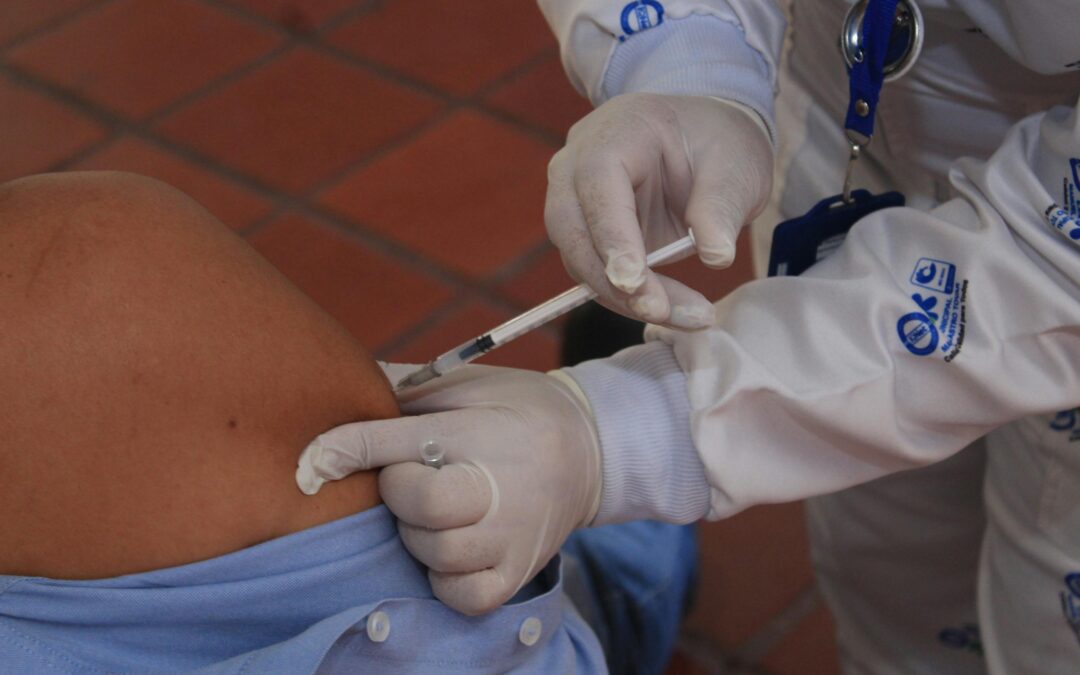
Knee injections involve putting medicine or other substances directly into the knee using a needle. These are simple, non-surgical treatments that can help ease knee pain from different issues.
Who Can Get Knee Pain Injections?
Knee injections can be used for people with various knee problems, including:
Knee Arthritis: Arthritis causes pain, stiffness, and difficulty moving.
It can happen because of aging, overuse, injuries, or conditions like rheumatoid arthritis. Knee injection Singapore have been studied a lot for people with osteoarthritis, which is arthritis from wear and tear. Some types are also used for other types of arthritis that cause inflammation.
Injuries: The knee is prone to injuries, such as damage to ligaments, tendons, or the meniscus, which is the cartilage that protects the joint.
Types Of Knee Injections
Different medicines and treatments can be injected into the knee.
Before deciding on an injection, your doctor will check your knee and might use imaging tests to figure out why you’re in pain. Then, you and your doctor will go over the results and decide if an injection is right for you and which type would work best.
Cortisone Shots In The Knee
Corticosteroids, often called cortisone, are commonly used to treat knee pain caused by arthritis.
These are strong medicines that help reduce inflammation.
When injected into the knee, cortisone can help reduce inflammation and pain for a few weeks or months.
These treatments work better for some people than others. If someone doesn’t feel relief after one or two injections, they’re less likely to benefit from more cortisone shots.
It may take up to a week for symptoms to get better after a cortisone shot.
While these shots are effective, they should not be given more than three or four times a year. Giving them too often can damage the knee joint.
Platelet-Rich Plasma Knee Injections
Platelet-rich plasma (PRP) injections are made from a person’s own blood.
The blood is processed to create a concentrated mix of platelets, which have growth factors that help in healing and tissue repair.
Researchers are still figuring out the best way to make PRP.
Studies show that PRP can help with mild to moderate osteoarthritis of the knee. It is also used for injuries to soft tissues like tendons and ligaments.
One PRP injection might be enough for long-term or even permanent pain relief.
Some people might need more than one injection.
It’s important to know that the effects of PRP aren’t immediate and can take several weeks to show as the body heals.
Although research is still ongoing, PRP offers a less invasive treatment that may help recovery faster and reduce the need for more aggressive treatments.