
If you’re considering laser hair removal, select a physician who has received board certification in a field like dermatology or cosmetic surgery and possesses experience with this procedure tailored to your skin type. If the treatment will be performed by a physician assistant or a qualified nurse, ensure that a doctor is present for supervision during the procedure. Be wary of spas, salons, or similar establishments that permit non-medical staff to conduct laser hair removal.
Prior to undergoing laser hair removal, arrange a consultation with the physician to assess whether this treatment is suitable for you. During this meeting, your doctor is likely to:
Examine your medical background, including any medications you’re taking, any skin issues or scarring history, and previous hair removal experiences.
Talk about the potential risks, benefits, and what you can realistically expect from the treatment, including its limitations.
Take photographs for comparison purposes after the procedure and for long-term evaluations.
At this consultation, go over a proposed treatment plan and associated costs. Usually, laser hair removal is not covered by insurance.
The physician will also provide detailed guidelines to help you prepare for laser hair removal. These may include:
Staying away from sunlight. Adhere to your physician’s recommendations regarding sun avoidance both before and after the procedure. Always apply a broad-spectrum sunscreen with SPF 30 when going outside.
Lightening your skin. Avoid tanning products that darken the skin. If you have a recent tan or darker pigmentation, your doctor may prescribe a bleaching cream.
Refraining from other hair removal techniques. Procedures like plucking, waxing, and electrolysis can irritate hair follicles and should be avoided for at least four weeks before your appointment.
Avoiding blood thinners. Consult your doctor about which medications, including aspirin and anti-inflammatory drugs, should not be taken before treatment.
Shaving the area to be treated. It is advisable to trim and shave the targeted area one day prior to the laser session. This helps eliminate surface hair that could be burned during treatment, while keeping the hair shafts intact beneath the skin.
What To Anticipate
Typically, Laser Hair Removal in Singapore necessitates between two and six sessions. The time frame between each session will differ based on the area being treated. For swiftly growing hair areas, like the upper lip, re-treatment may happen every four to eight weeks. In contrast, for slower-growing hair regions, such as the back, treatments might be spaced out every 12 to 16 weeks.
During each session, you’ll wear protective goggles to shield your eyes from the laser. If needed, an assistant may shave the area again. To alleviate discomfort during the procedure, the doctor may use a topical anesthetic on your skin.
While The Procedure Is Underway
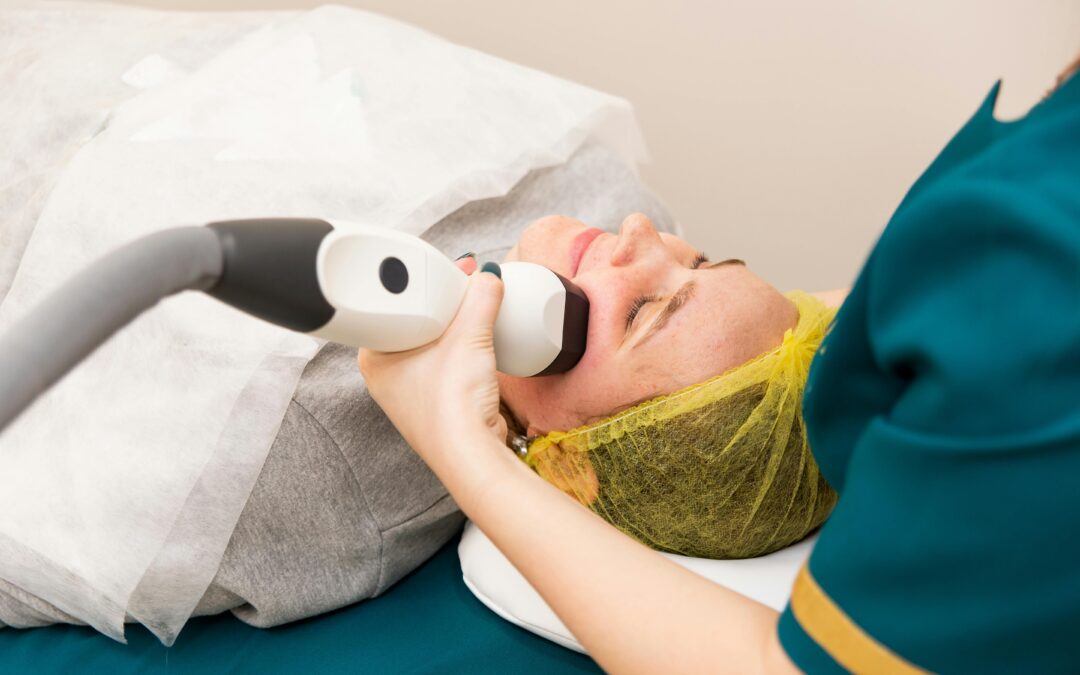
The physician will position a handheld laser device against your skin. Depending on the laser type, a cooling feature at the instrument’s tip or a cool gel may be applied to safeguard your skin and reduce the likelihood of negative side effects.
As the doctor activates the laser, the beam will penetrate your skin aiming for the hair follicles. The intense heat generated by the laser beam damages the hair, which effectively inhibits future growth.