
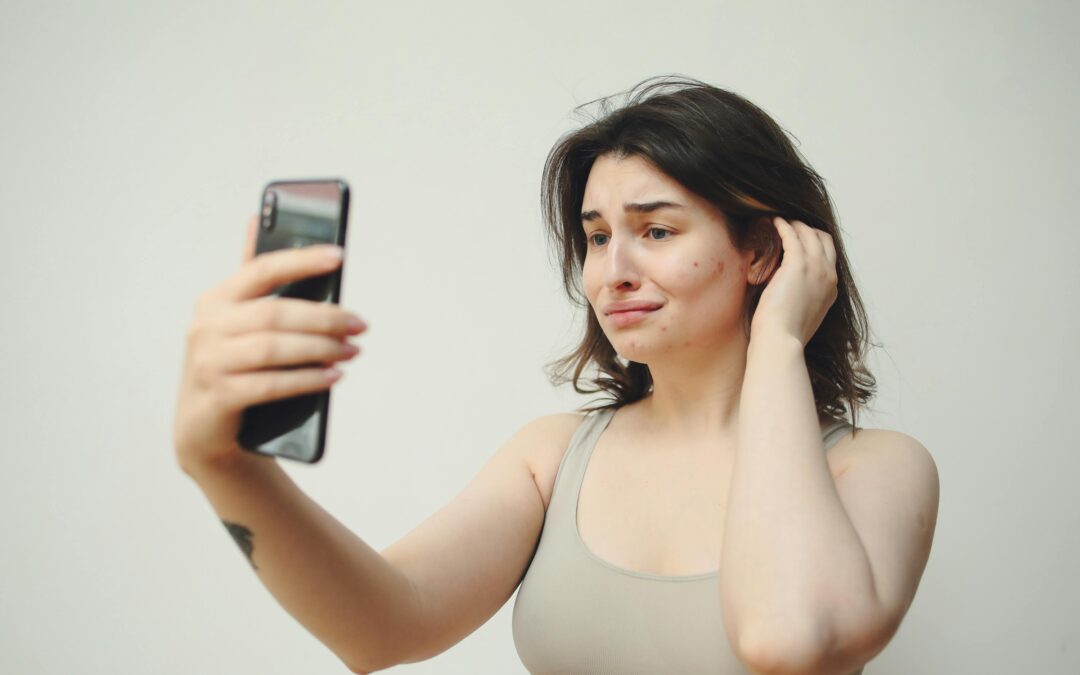
There are various cosmetic treatments available. You will consult with your dermatologist to identify the most suitable options for addressing your acne scars. It’s common for patients to undergo multiple treatments or combine different types to rejuvenate their skin.
Resurfacing Treatments:
Chemical peels: This method involves the application of specific chemicals to eliminate the outer layer of damaged skin. When the old skin is removed, the new layer that develops is generally smoother and has fewer scars.
Dermabrasion: This technique employs a specialized device that creates friction to take off the outer skin layers, similar to how a sander works on wood surfaces.
Microdermabrasion: Like dermabrasion, microdermabrasion utilizes a machine to exfoliate the top layer of skin.
Laser resurfacing: A laser emits heat to the collagen affected by scars beneath the skin. This approach leverages the body’s natural healing mechanisms to produce new, healthy collagen, promoting the emergence of fresh skin. There are two main categories of laser resurfacing: ablative and non-ablative. Your dermatologist will assess which option is most appropriate for your skin type and the characteristics of your acne scars.
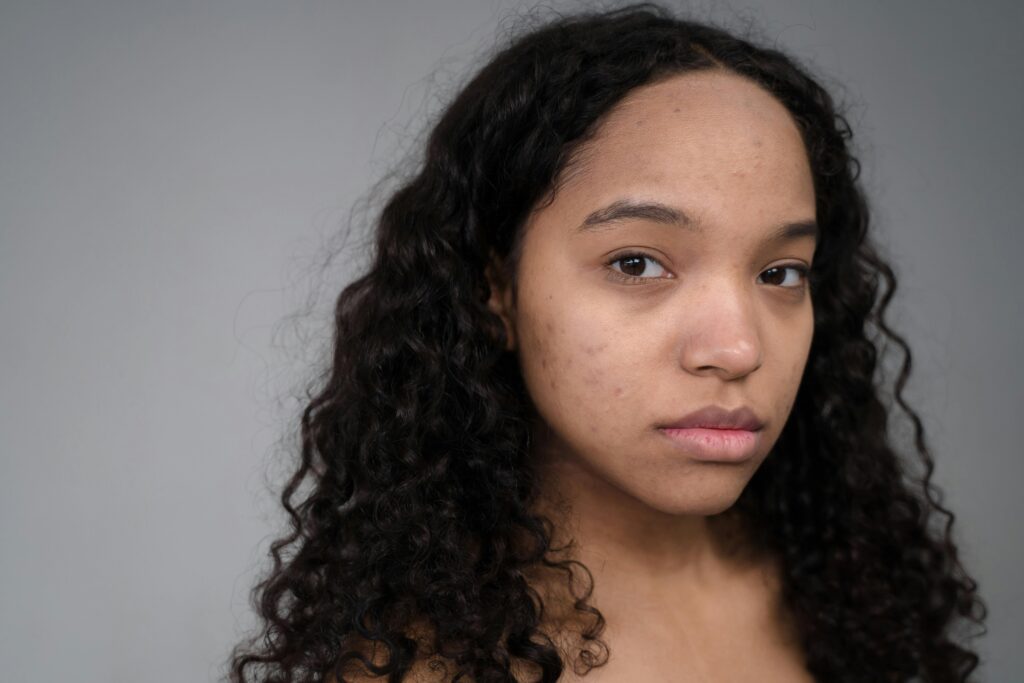
Additional Treatments:
Steroid injections: This procedure involves injecting steroids directly into an elevated scar. The steroids help to soften the scar tissue, resulting in a flatter surface. Also read acne scar treatment Malaysia for more information.
Dermal Fillers: In this process, a substance is injected beneath a sunken scar to elevate the skin.
Microneedling: This technique employs tiny needles to intentionally create small wounds in the skin, stimulating the production of collagen, which can help smooth out scars. Microneedling can be performed on its own or in combination with heat treatments, such as microneedling radiofrequency. This combination has proven effective in enhancing skin texture due to acne scars and can also help prevent new acne from developing.
Excision: This method involves the dermatologist making an incision in the skin to remove the acne scar, followed by stitching up the area to close the wound.
Subcision: This technique utilizes a needle to sever the fibrous attachments that tether scar tissue deep within the skin. This releases the skin so it can rise back to the surface and lay smoothly.
Punch grafting: In this method, the scar is excised, similar to the excision technique, and replaced with a skin graft sourced from another part of the body, often from behind the ear.
Cryosurgery: This procedure employs liquid nitrogen to freeze raised scar tissues. The frozen scar tissue eventually dies and falls away.