
Prepare in advance to make certain you have sufficient time to recuperate following the procedure. Additionally, ensure that someone is available to transport you home post-treatment. You will likely still be feeling the effects of anesthesia or medication.
In the days leading up to the surgery, you might be instructed to take certain precautions, such as discontinuing any medications that could interfere with blood clotting, including blood thinners.
How Is Laser Treatment Performed?
Methods of laser treatment differ depending on the specific procedure.
For tumor treatment, an endoscope, which is a slender, illuminated, flexible tube, might be utilized to guide the laser and examine internal tissues. The endoscope is inserted through a natural opening in the body, like the mouth. The surgeon then directs the laser to either reduce or eliminate the tumor.
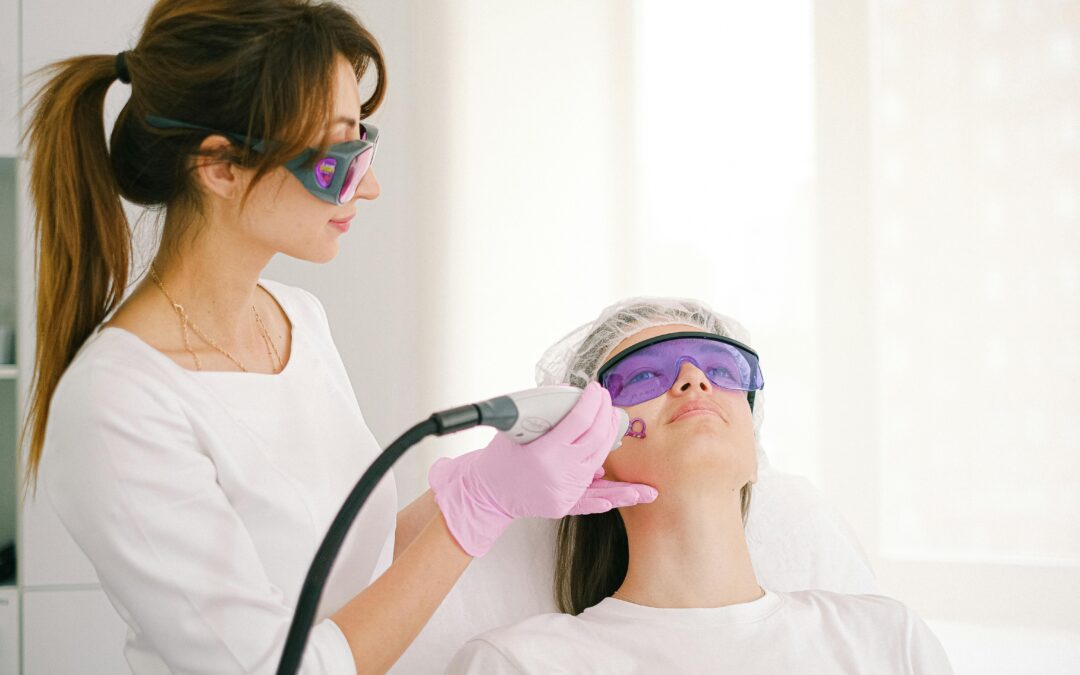
In cosmetic applications, lasers are typically applied directly to the surface of the skin.
What are the various types?
Some frequently performed laser surgeries include:
laser eye surgery (commonly referred to as LASIK)
teeth whitening
removal of cosmetic scars, tattoos, or wrinkles
removal of cataracts or tumors
Different types of lasers are employed for different surgical procedures. For instance, carbon dioxide (CO2) lasers make superficial incisions and are often utilized for treating surface-level cancers, like skin cancer. Also read Laser Clinic in Singapore for more information.
Argon lasers, which also create shallow cuts, can be used to activate light-sensitive drugs in photodynamic therapy. This cancer treatment approach merges light with chemotherapy to eliminate a greater number of cancer cells.
Nd:YAG lasers are capable of traveling through optical fibers and are employed in laser-induced interstitial thermotherapy, a specific form of cancer treatment.
Low level laser therapy (LLLT), known as cold laser therapy, utilizes laser light at wavelengths ranging from 600 to 980 nanometers. This form of therapy is used for minor surgical interventions and to assist in tissue regeneration. There are programs promoting LLLT as a means to help quit smoking, but there is minimal evidence to support its effectiveness for this purpose.
What Are The Hazards?
Laser therapy presents several risks. Risks associated with skin therapy include:
bleeding
risk of infection
pain
scarring
alterations in skin pigmentation
Moreover, the desired outcomes of the treatment may not be lasting, which could mean that additional sessions are required.
Some laser surgical procedures are conducted while you are under general anesthesia, which comes with its own set of risks. These may include:
pneumonia
disorientation after awakening from surgery
heart attack
stroke