
Heart-related symptoms range from brief, harmless sensations to time-sensitive emergencies, and the same symptom can have several causes. Chest discomfort may arise from the heart, lungs, digestive system, muscles or anxiety. Palpitations can reflect an abnormal rhythm, a normal response to stress or another medical problem. Breathlessness, swelling and reduced exercise tolerance also require clinical context. The safest approach is not to diagnose yourself from one symptom or demand a particular test. It is to recognise emergency warning signs, document stable symptoms accurately and seek a proportionate assessment. This guide explains how cardiologists investigate common concerns, what ECG, echocardiography and monitoring can and cannot show, and how patients can prepare for a more useful discussion.
What this guide covers
- Treat possible heart-attack symptoms as an emergency.
- Describe stable symptoms by pattern, trigger and duration.
- Understand the limits as well as the value of common tests.
- Connect test results to a specific clinical question.
- Use prevention and follow-up to manage long-term risk.
Chest discomfort: describe the pattern, not a diagnosis
When chest discomfort is stable enough for a planned consultation, describe where it occurs, what it feels like, how long it lasts and what brings it on. Note whether it appears during exertion, emotional stress, meals, movement or rest and whether it spreads to the arms, back, neck, jaw or stomach. Record associated breathlessness, sweating, nausea, dizziness or weakness. These details help the clinician consider urgency and likely causes.
Do not use a normal home reading or an old test to dismiss new symptoms. Heart problems can be intermittent, and tests answer different questions. Conversely, not every chest sensation is caused by coronary disease. A clinical assessment combines the symptom pattern with age, risk factors, examination and investigations.
Palpitations, dizziness and fainting
Palpitations may feel like racing, fluttering, pounding or skipped beats. Record whether the rhythm seemed regular, how abruptly it began and ended, and how long it lasted. Note caffeine, alcohol, dehydration, illness, medication changes and stress, but do not assume one of these explains the event. Symptoms accompanied by chest pain, severe breathlessness, fainting or near-fainting need faster assessment.
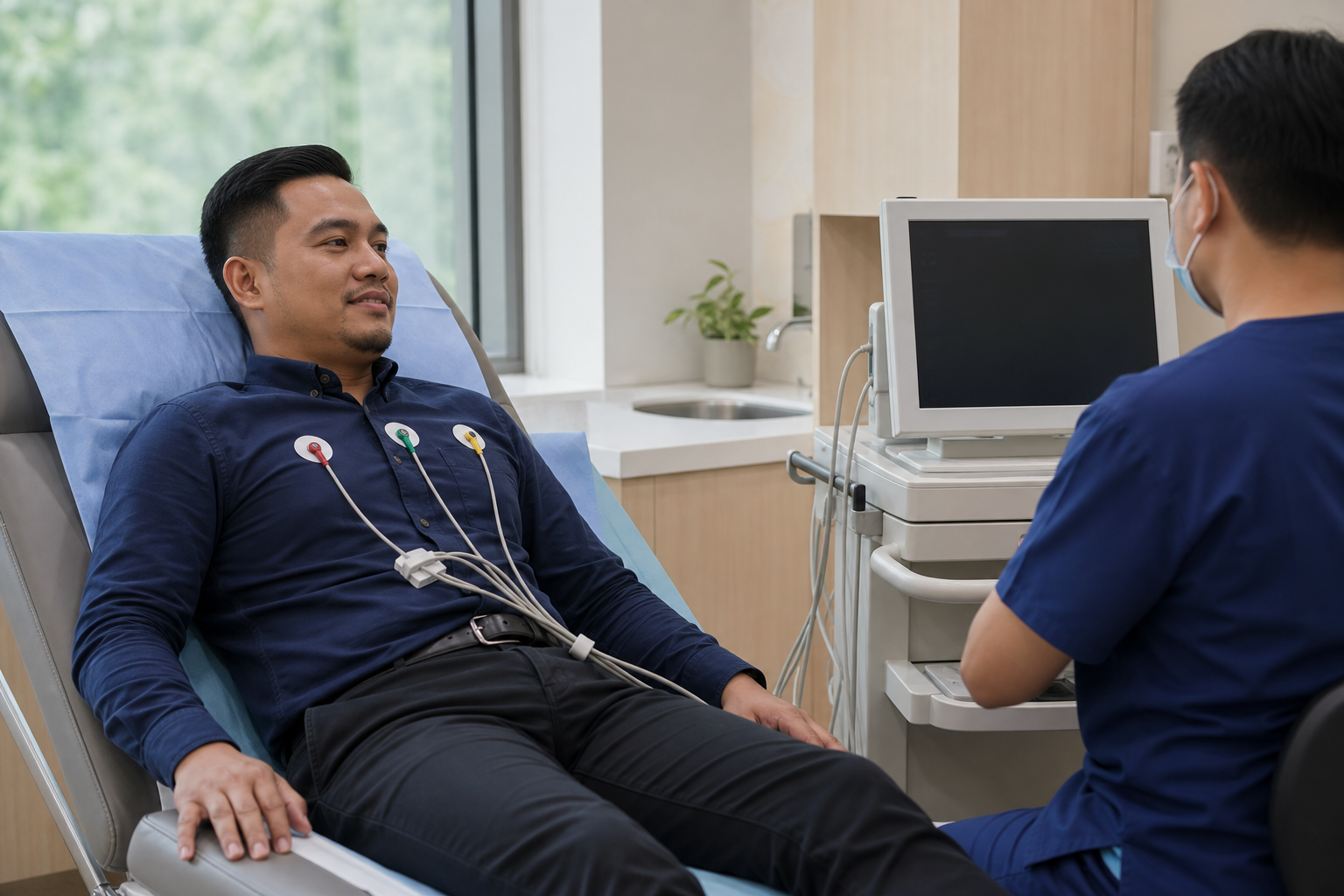
A brief resting ECG may be normal between episodes. Depending on frequency and concern, longer rhythm monitoring may help connect symptoms with the electrical rhythm. The clinician may also consider anaemia, thyroid problems, electrolyte changes or other conditions. The aim is to document what the heart is doing during symptoms whenever practical.
Breathlessness, swelling and reduced stamina
Breathlessness should be described in functional terms: walking distance, stairs, whether it occurs at rest and whether lying flat makes it worse. Leg swelling may relate to the heart, veins, kidneys, liver, medication or other causes. Rapid weight change, increasing swelling and waking breathless deserve prompt advice, particularly in someone with known heart disease.
Reduced stamina can develop gradually and be attributed to age or fitness, but a clear change from baseline is useful information. Keep a short record and mention infection, bleeding, sleep problems and changes in activity. The cardiologist will interpret the pattern alongside examination and targeted tests rather than relying on a single symptom.
What an ECG can and cannot show
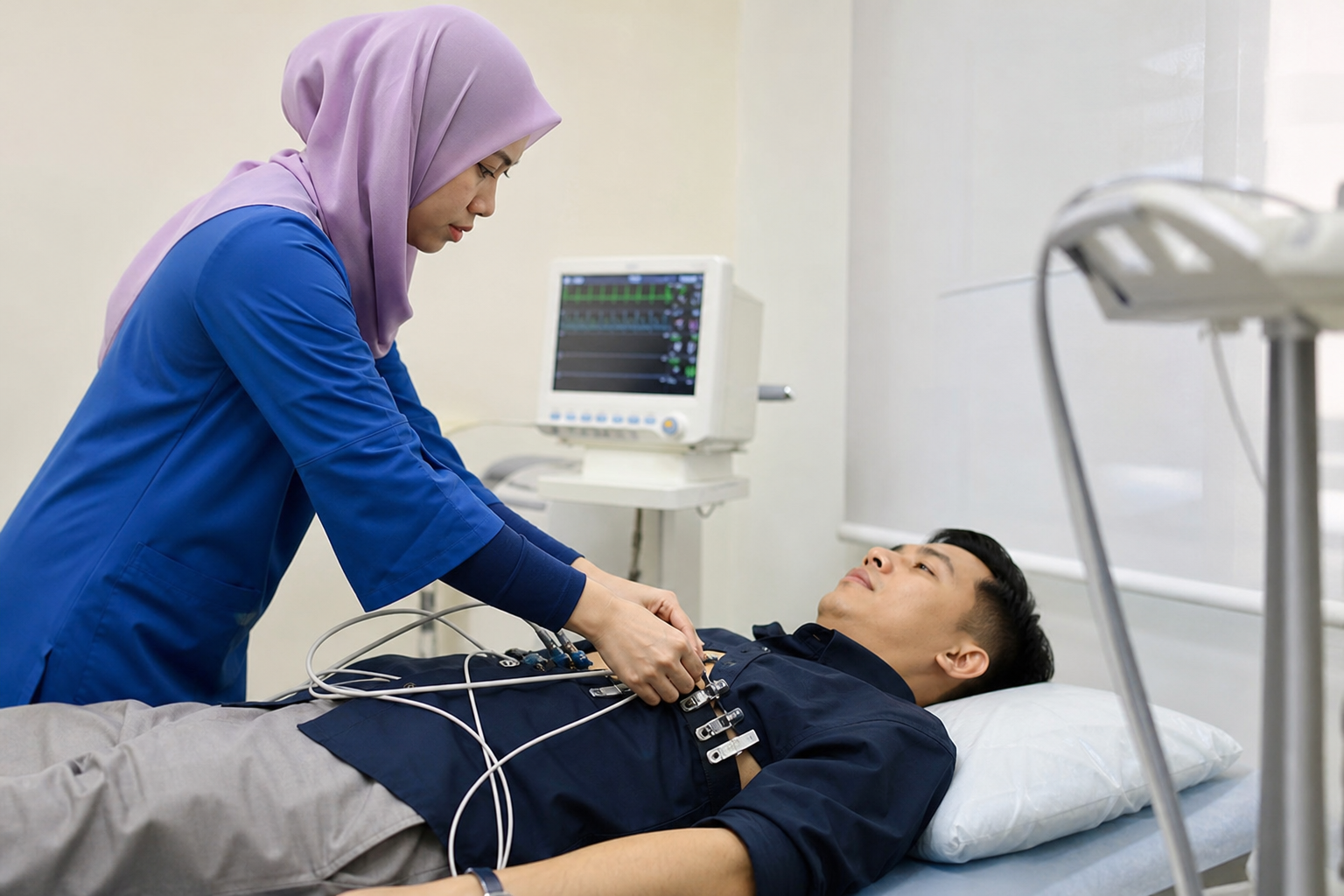
An ECG records the heart’s electrical activity through electrodes on the skin. It can reveal rhythm and conduction abnormalities, signs of heart strain and patterns that may support a diagnosis of acute coronary syndrome. It is quick and non-invasive, but it represents a short period. A normal tracing does not rule out every heart problem or an intermittent rhythm that was not present during recording.
Ask why the ECG is being performed and whether comparison with an older tracing is useful. In urgent chest pain, an ECG may be combined with blood tests and repeated assessment. In a stable outpatient setting, the result may guide monitoring, imaging or reassurance. Interpretation always depends on the clinical context.
What echocardiography and stress testing add
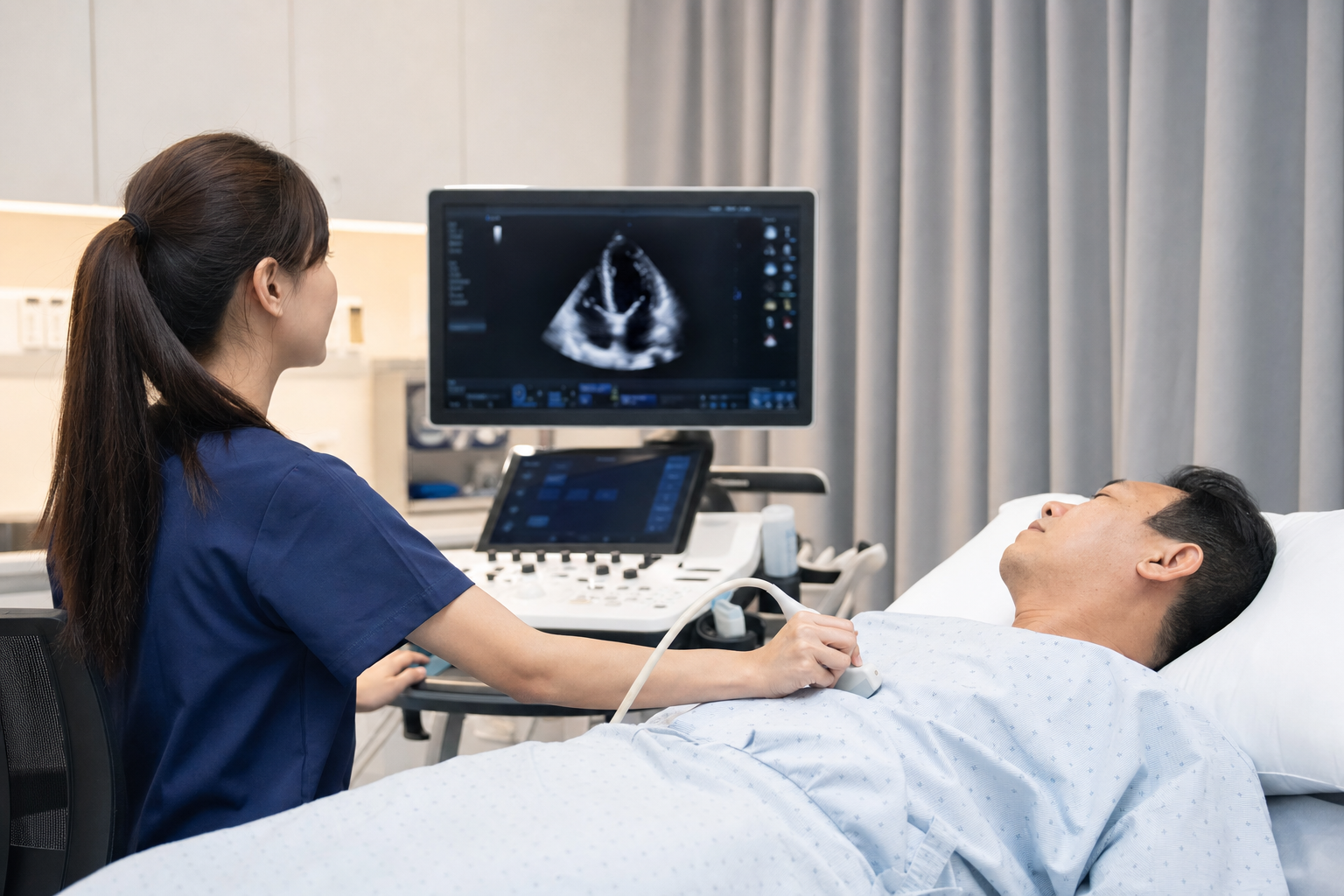
An echocardiogram uses ultrasound to examine chamber size, pumping function, valves and movement. It does not replace an ECG because it answers a different question. Stress testing evaluates symptoms, rhythm and other responses during exercise or medically increased workload. The chosen method depends on mobility, baseline ECG, risk and the suspected condition.
CT cardiac imaging may be considered for selected anatomical questions. CMH describes these investigations within its cardiology diagnostic offering, but availability does not mean everyone needs every test. Ask what result would change management, what preparation is required, what limitations apply and whether radiation or contrast is involved.
From test result to treatment plan
A test result should be explained in relation to the symptom and overall risk. Ask whether it confirms a diagnosis, lowers concern, reveals an incidental finding or simply means more information is needed. Borderline results are common and should not automatically trigger aggressive treatment without context. Conversely, a reassuring test should not be used to ignore significant new symptoms.
Treatment may involve medicines, risk-factor control, rehabilitation, monitoring or a procedure. Clarify the expected benefit and how success will be measured. If observation is chosen, establish the follow-up interval and warning signs. If the plan includes cholesterol, blood-pressure or diabetes management, ask for specific targets and which clinician coordinates them.
Emergency warning signs
Seek urgent medical care for chest pressure, squeezing, fullness or pain that lasts, recurs or is accompanied by shortness of breath, cold sweating, nausea, light-headedness or discomfort in the arm, back, neck, jaw or stomach. Symptoms may be less dramatic in some people. Sudden collapse, no normal breathing or loss of responsiveness is a medical emergency.
Use the appropriate local emergency service and follow its instructions. Do not wait for a routine specialist appointment, attempt to complete an online checklist or drive yourself when seriously unwell. Time-sensitive assessment may include an ECG and blood tests, with treatment beginning before a planned outpatient pathway would be appropriate.
Use symptom records without becoming your own diagnostician
Wearable devices and home monitors can provide useful context, but they also produce incomplete or misleading signals. Record the device, date, symptom and reading without assuming an alert proves a dangerous rhythm. Do not repeatedly check until anxiety escalates or delay care while trying to capture perfect data. Bring representative recordings to the clinician and ask whether the device is appropriate for ongoing monitoring. A specialist may value the timing and symptom description more than an isolated graph generated without clinical-quality electrodes.
The same principle applies after reassuring tests. Ask which possibilities have been reduced, which remain and what future change would justify re-evaluation. Prevention continues even when no urgent disease is found: blood pressure, cholesterol, diabetes, smoking, activity, sleep and family history can still matter. Conversely, a known risk factor does not mean every symptom is cardiac. Clear thresholds for urgent care, routine follow-up and self-monitoring help patients act appropriately without either dismissing symptoms or treating every sensation as an emergency.
Medication and stimulant review is another useful part of symptom assessment. Bring inhalers, cold remedies, energy products, nicotine use and recent dose changes to the clinician’s attention. Do not stop essential medicine merely because palpitations or dizziness appeared around the same time; timing alone does not prove causation. The cardiologist can decide whether adjustment, laboratory testing or another explanation should be considered and can coordinate changes with the original prescriber.
After any assessment, keep a copy of the ECG or report when available and record medication changes with dates. Future clinicians can interpret new findings more accurately when they can compare them with a baseline. If symptoms recur, describe what changed rather than simply saying they are the same. Greater frequency, longer duration, occurrence at rest, reduced exercise tolerance or new fainting can alter urgency even when an earlier test was reassuring.
Frequently asked questions
Can anxiety cause palpitations or chest discomfort?
It can contribute, but symptoms should not be automatically attributed to anxiety without considering the pattern, risk and other causes. Seek urgent care for alarming or rapidly worsening symptoms.
Does a normal ECG mean my heart is healthy?
A normal resting ECG is reassuring for some questions but does not exclude every structural, circulation or intermittent rhythm problem. Interpretation depends on the reason for testing.
What should I record before an appointment?
Record onset, duration, triggers, associated symptoms, activity at the time and relevant readings. Bring medicines, previous results and a family-history summary.
Are preventive cardiology and rehabilitation only for older adults?
No. Prevention is based on risk, while rehabilitation may follow a cardiac event or procedure. Recommendations should be individualised rather than based on age alone.
Planning your next step
- Review CMH Specialist Hospital’s cardiology service as a service starting point, then contact the hospital to confirm the appropriate specialist, appointment requirements and current availability.
Heart symptoms deserve neither panic nor dismissal. The safest approach is to recognise emergency warning signs, describe stable symptoms accurately and use tests for clearly defined questions. A cardiology consultation should connect the history, examination and investigation results to a plan that the patient understands and can follow.
This article provides general education and does not replace an individual medical assessment. Seek urgent medical care for severe, sudden or rapidly worsening symptoms.