
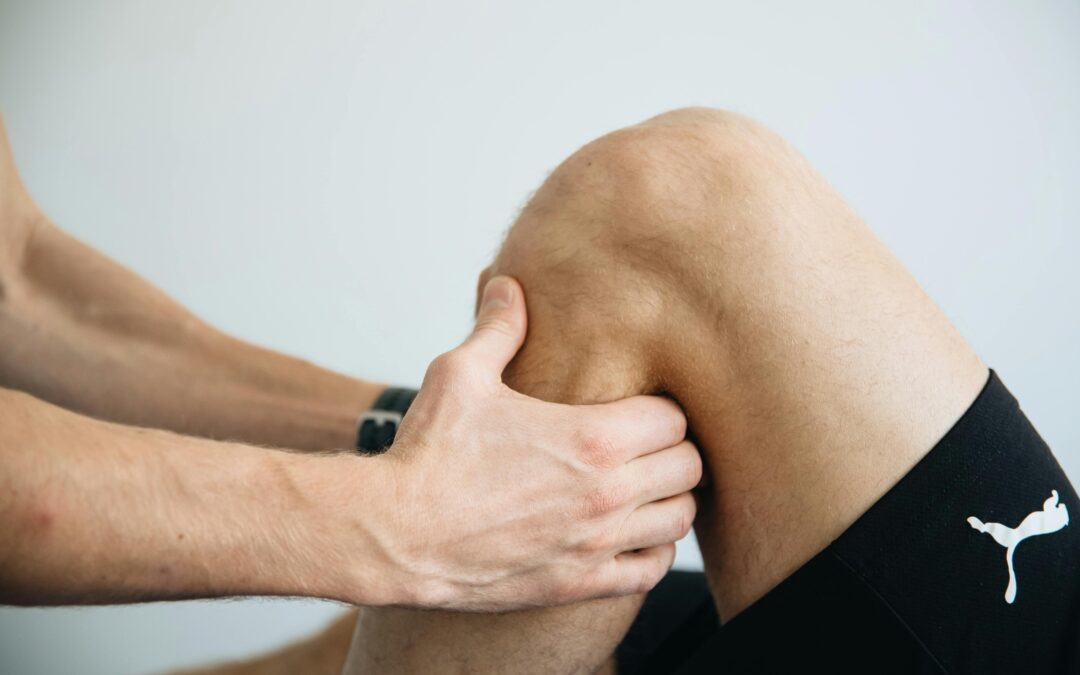
Botulinum toxin injections are used to treat many different problems, like headaches and muscle tightness. Some studies suggest they might also help with arthritis.
Botulinum toxin can be used for both types of knee arthritis—osteoarthritis and autoimmune arthritis, such as rheumatoid arthritis.
The medicine is injected directly into the knee joint. After one treatment, people often feel less pain and can move their knee more easily for three to twelve months. The treatment can be done again if needed.
What Happens During A Knee Injection?
Knee injection Singapore are common and usually done in a doctor’s office while you’re awake.
Here’s what you can expect.
The injection is made up of the medicine along with a numbing agent.
The doctor cleans the skin and puts a numbing spray on the area.
The doctor then puts a needle into the knee joint.
Often, they use ultrasound or X-rays to make sure the needle goes to the right place.
Sometimes, the doctor does a procedure called knee-joint aspiration before the injection.
This involves removing extra fluid from the joint to reduce pressure. The fluid can also be tested to find out why you’re feeling pain.
Once the needle is in the right place, the medicine is injected.
Usually, it goes into the joint capsule, which is the space between the bones in the knee. Some treatments go into the tissues around the knee.
The needle is taken out, the area is covered with a bandage, and you can go back to your usual activities.
You might feel less pain right away because of the numbing medicine.
But the pain can come back a few hours later, once the numbing wears off. It may take a week or more to feel the full benefit of the injection.
After the injection, you might have some swelling or soreness around the area.
You can apply ice and use over-the-counter pain medicine if needed. For the first 48 hours, try to avoid doing too much physical activity.
Knee Injection Risks
Knee injections are generally simple procedures, but they do come with some risks, just like any medical treatment.
These can include:
– Pain, swelling, or bruising at the injection site
– Allergic reaction
– Infection
– Injury to the joint or nerves
– People with diabetes might experience a temporary rise in blood sugar levels for a few days after a corticosteroid injection.
If you have diabetes, talk to your doctor about your blood sugar levels and any possible risks before getting a cortisone shot.
When Joint Injections Are No Longer Enough
Joint injections can help reduce knee pain a lot.
But as arthritis gets worse, the effects of the injections may not be as strong. Also, there are limits on how many injections a person can have in a year, and this number depends on the type of injection. If your knee pain starts to affect your daily life, it might be time to think about other treatment options.