
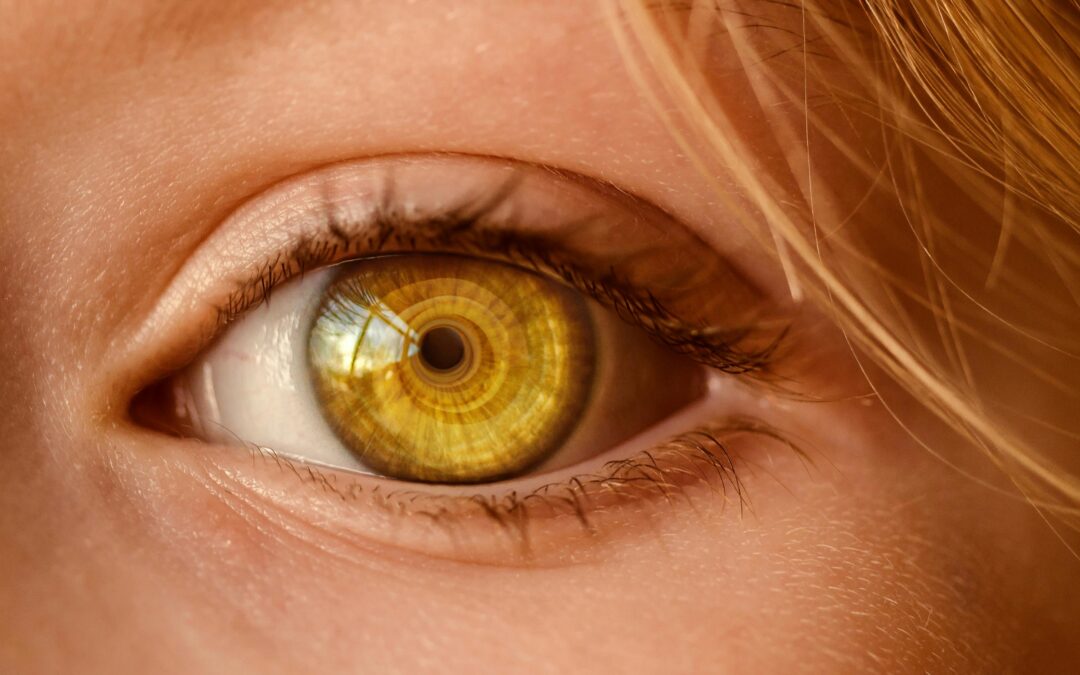
Having dark circles or bags under your eyes can be caused by several things. It might be due to loose skin, extra fat, changes in skin color, or natural shadows. These can make your eyes look tired or swollen. Even though these features can be present from a young age and sometimes passed down from family, they usually get worse as you get older.
What Causes Bags Under the Eyes?
As you age, the tissues around your eyes start to weaken and sag.
This can cause fat to move forward and make your eyelids look puffy. Fluid can also collect in these weakened areas, leading to swelling. Shadows under your eyes can also happen. These may be from swollen eyelids or from shadows made by the nose or forehead. There are other factors that can contribute to bags under your eyes, such as:
– Not getting enough sleep
– Not drinking enough water (dehydration)
– Smoking
– Drinking too much alcohol
– Having allergies
– Holding onto fluid, especially after waking up or eating salty food
– Inheriting the condition (it can run in families)
Here are some tips to reduce or get rid of bags under your eyes:
– Use a cool compress: Soak a clean cloth in cold water and apply it gently under and around your eyes for a few minutes.
– Limit your fluid intake before bedtime and reduce salt in your diet to prevent fluid retention. Also read Eyebag Removal Singapore for more detailed information.
– Avoid smoking as it can make bags worse.
– Make sure to get enough sleep—most adults need 7 to 9 hours.
– Sleep with your head slightly raised.
You can use an extra pillow or elevate the head of your bed.
– Manage allergies by avoiding allergens and using nonprescription medications.
If you have reactions from hair dyes, soaps, or cosmetics, talk to your healthcare provider about prevention.
– Use makeup to cover under-eye circles if you want to hide them.
Preparing for Your Appointment
Writing down questions before your visit will help you get the most out of your time with your healthcare provider.
Some basic questions to consider include:
– What do you think is causing my symptoms?
– Is this condition temporary or long-term?
– What treatment options do you recommend?
– What will the treatment cost, and will my insurance cover it?
– What results can I expect?
– Can I do anything at home to feel better?
– What kind of follow-up should I expect?
Don’t hesitate to ask other questions that come to mind.
What to Expect from Your Healthcare Provider
Your healthcare provider will probably ask you several questions, such as:
– When did you first notice puffiness under your eyes?
– Have your symptoms been constant or occasional?
– What makes your symptoms better?
– What seems to make them worse?
– What medications are you using?
– Do you smoke?
– Do you drink alcohol?
– Do you use recreational drugs?
– What herbal supplements are you taking?
– Do you have any other medical conditions?
– Have you ever had bleeding disorders or blood clots?