
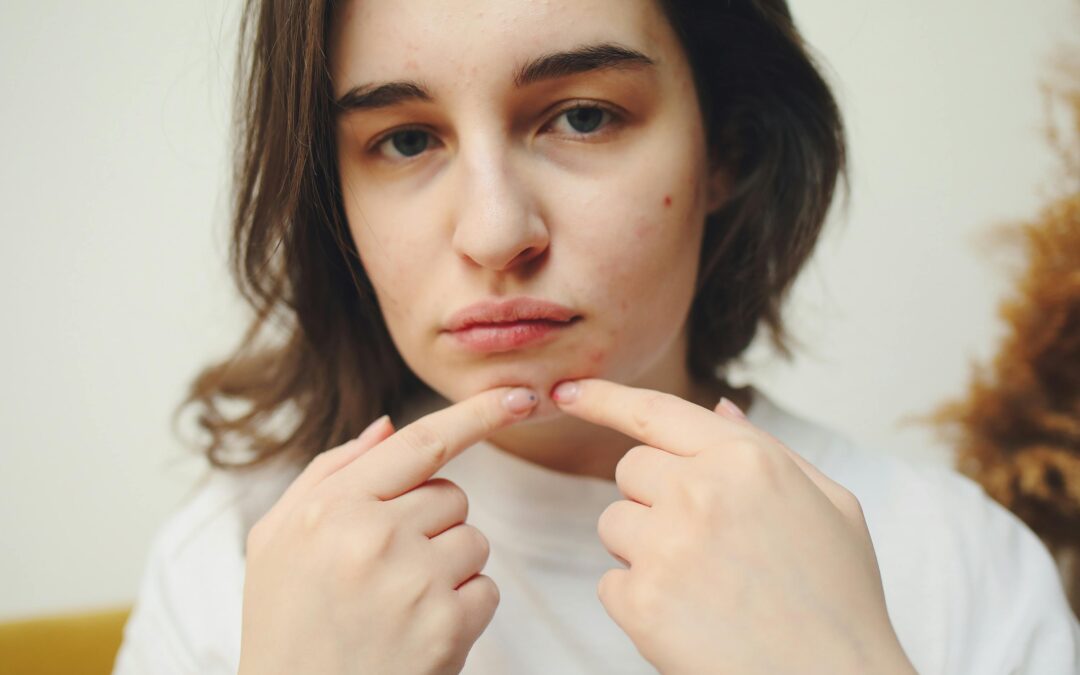
Acne scars are difficult to address, and the optimal treatment varies from person to person. Depending on the type of scars, skin type, and the extent of scarring, one or a combination of the following methods could enhance the look of your skin.
At-home skincare.
Applying sunscreen may help reduce the difference in appearance between scarred and unscarred areas. Certain medicated creams, particularly those that include azelaic acid or hydroxyl acids, might also provide benefits.
Soft tissue fillers.
By injecting substances such as collagen or fat beneath the skin, the surface over depressed scars can be filled out, making them less noticeable. These results do not last long, necessitating ongoing treatments to maintain them. This option generally poses a low risk of altering skin pigmentation.
Steroid Injections
For specific types of elevated scars, steroid injections can enhance their visual appearance.
Laser Resurfacing
This method is gaining popularity and is frequently applied to scars previously treated with dermabrasion. It carries a heightened risk of adverse effects for individuals with darker skin tones or a history of keloid formation.
Other Energy-Based Treatments
Devices that use pulsed light sources and radiofrequency can help diminish the visibility of scars while preserving the outer skin layer. The changes tend to be subtle, and multiple sessions may be necessary.
Dermabrasion
Typically reserved for more severe scarring, this technique involves a doctor using a rapid rotating brush or similar equipment to remove the top skin layer. While surface scars may be eliminated entirely, deeper scars may look less pronounced. There are risks of significant side effects, including scarring and alterations in skin tone. Also read acne scar treatment Malaysia for more information.
Chemical Peel
A chemical solution is applied by your physician to the scar tissue in order to shed the upper layer of skin and lessen the visibility of deeper scars. You may repeat mild and moderate peels to sustain the results, but only a single deep peel can be administered. Possible side effects include changes in skin tone, particularly with deep peels on darker skin.
Skin Needling
Your healthcare provider employs a device with tiny needles rolled across the skin to encourage collagen production in the deeper layers. This straightforward and relatively safe method may be effective for treating acne scars and has minimal risk of skin discoloration. Results are subtle, and additional treatments may be required.
Surgery
A minor operation known as punch excision involves your doctor excising individual acne scars and closing the wound with stitches or a skin graft. Another technique called subcision involves inserting needles under the skin to release the fibrous tissue below a scar.
OnabotulinumtoxinA (Botox)
Occasionally, the skin surrounding acne scars may pucker. Injecting Botox can relax the skin in that area and may enhance the appearance of the scar. This effect is not permanent, thus requiring repeat injections to maintain the results.