
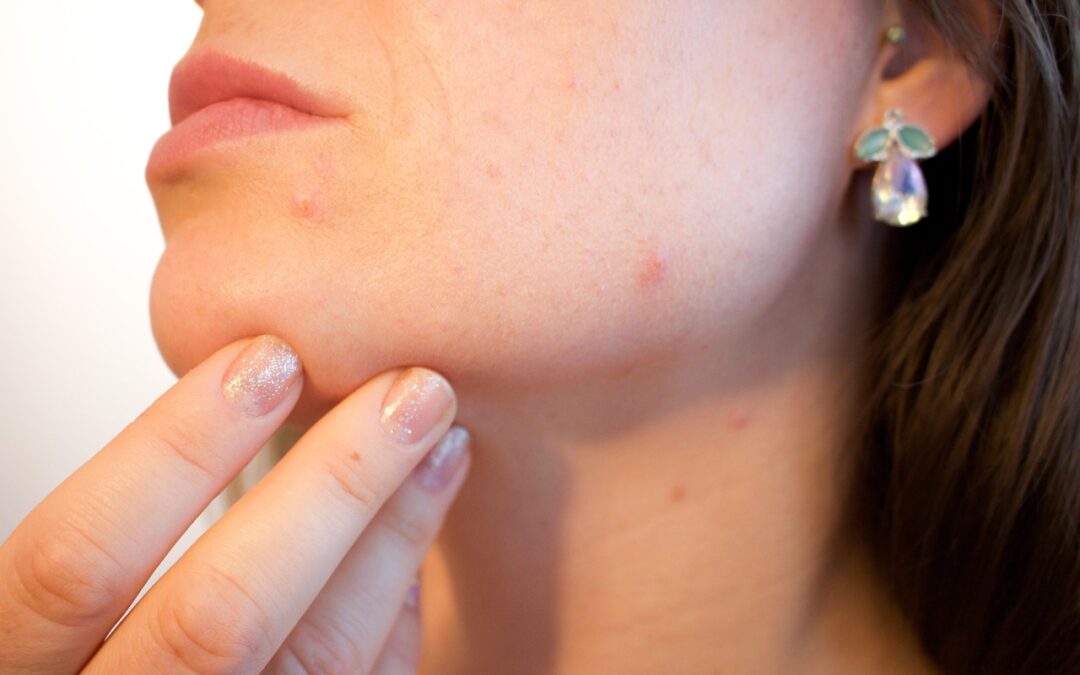
If you and your dermatologist agree that treatment is appropriate for you, a personalized plan will be developed by your dermatologist to meet your individual needs. In creating this plan, your dermatologist will take into account the type and number of acne scars you possess, your age and skin type, your financial constraints, and several other factors.
Should you experience acne flare-ups, your treatment strategy will probably start with managing the acne. Controlling acne can help lessen inflammation and avert the formation of new scars. Typically, scar treatment commences once your acne is managed and you are using medications to prevent further breakouts.
For Treating Depressed Acne Scars:
This type of scarring might be addressed through various methods including surgical procedures, cosmetic surgery for scars, or topical medications. To achieve optimal outcomes, your dermatologist may combine multiple treatments. For instance, they may conduct a surgical procedure to elevate certain depressed scars and subsequently inject a filler to enhance their volume.
Treatment options for depressed scars are as follows:
Chemical Peel:
Using a chemical peel on the skin encourages the body to generate additional collagen and elastin. With increased levels of these substances, acne scars that are indentations tend to become less visible.
Chemical peels come in a range of intensities from mild to strong. Your dermatologist will assess which potency is most suitable for you. Mild and medium peels usually involve several sessions. For example, a mild peel may necessitate 3 to 5 sessions, spaced 2 to 4 weeks apart.
Before undergoing a peel, your dermatologist might provide guidelines for pre-peel preparation. This is generally performed at home for a period of 2 to 4 weeks. Such preparation aims to optimize your results and minimize potential side effects. Pre-peel preparation may involve taking an antiviral medication or using a retinoid. Also read acne scar treatment singapore for more detailed information.
Additionally, protecting your skin from sun exposure is crucial prior to receiving a chemical peel. This precaution helps avoid skin discoloration after the procedure. Ensure that you adhere to all pre-peel preparation instructions given by your dermatologist.
Fillers:
This approach enhances the volume of depressed scars. Fillers can also assist your body in producing additional collagen and elastin to help fill these scars. Different types of fillers are utilized by dermatologists, each with varying durations of effectiveness. The majority of fillers provide temporary outcomes that last between 3 months and 2 years, although some fillers can offer permanent results.
Many fillers necessitate a sequence of treatments, which may involve multiple visits to the office. Touch-up appointments will likely be needed to maintain the appearance of your results. Even with a permanent filler, you might require touch-ups as your skin evolves over time.
Laser treatment: Dermatologists employ lasers to enhance the surface of skin affected by acne scars. As your skin recovers from laser resurfacing, it produces collagen and elastin, which can help minimize the visibility of scars. Your dermatologist may also utilize lasers to reshape the skin around acne scars, further aiding in the reduction of scarring visibility.