
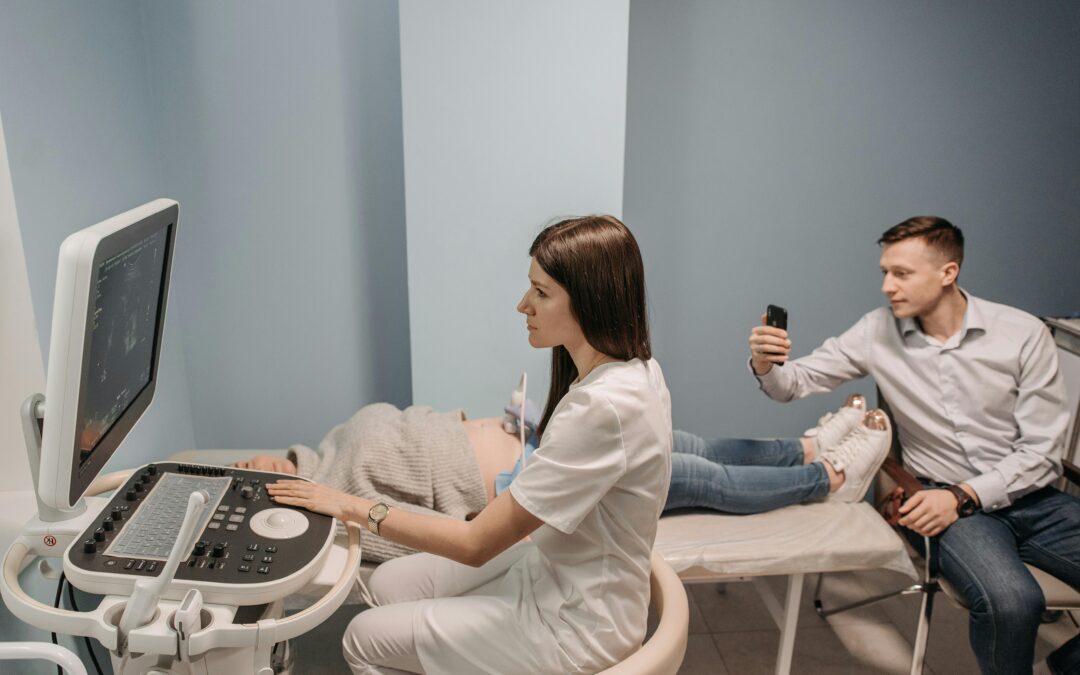
A gynecologist is a doctor who takes care of the health of the female reproductive system, including your breasts, vagina, and uterus. They also provide general care and help prevent illnesses. Some gynecologists are also obstetricians, which means they specialize in pregnancy and giving birth.
The female reproductive system is responsible for making hormones and plays a role in:
– Getting pregnant and having babies
– Having periods
– Sexual activity
Gynecologists help with your reproductive health from when you start puberty until menopause.
They are there for you through many parts of your life.
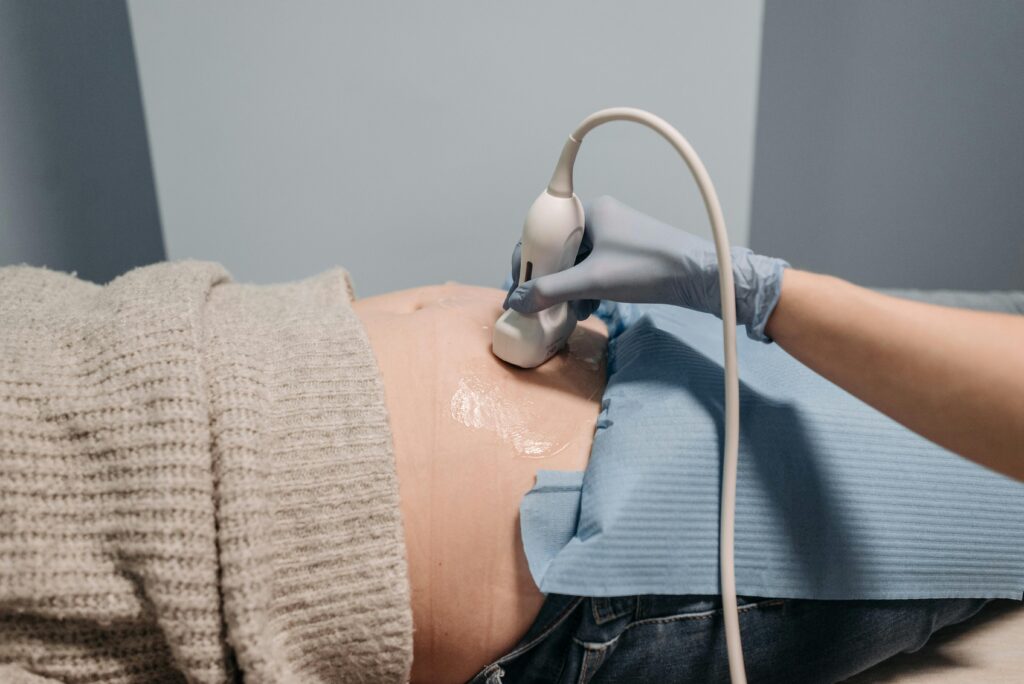
What Does A Gynecologist Do?
A gynecologist helps with all aspects of sexual health, including prevention and physical exams.
They can find and treat problems with the female reproductive organs. Some of the services they provide include:
– Checking your risk for diseases and cancers affecting the reproductive system
– Helping with family planning, such as birth control and planning for pregnancy
– Diagnosing problems related to the reproductive organs, breasts, and sex hormones
– Managing diseases with medicine or surgery
– Doing physical exams, like checking your breasts, pelvis, and outer genital area
– Providing preventive care, such as Pap tests, cancer checks, and vaccines
– Testing for infections you can get through sexual activity
What Conditions Do Gynecologists Treat?
Gynecologists help with problems that affect your reproductive system.
Some of these include:
– Cancers of the uterus, ovaries, or cervix
– Endometriosis
– Issues with your menstrual cycle or menopause
– Ovarian cysts
– Pelvic inflammatory disease
– Polycystic ovary syndrome
– Uterine fibroids
– Sexually transmitted infections
They also treat any lumps, pimples, or boils in your vagina or on your vulva.
Sometimes, a gynaecologist in seremban may treat problems with your rectum, bladder, or urethra, but they might refer you to another doctor, like a urologist or a colorectal surgeon.
When Should You See A Gynecologist?
If you are sexually active or between 13 and 15 years old, it’s a good idea to see a gynecologist regularly.
Most doctors suggest seeing a gynecologist once every year.
You should also see a gynecologist if you have:
– Changes in your breasts, like a lump or discharge from the nipple
– Trouble getting pregnant
– Growths, sores, or lumps in your pubic area
– Irregular bleeding or discharge from the vagina
– Possible or known exposure to a sexually transmitted infection
– Pain during sex or problems with sexual function
– Painful periods
– Problems with the muscles in your pelvis
– Pelvic pain
– Signs of early or early-onset menopause
– Itching in the vagina or a change in its smell
You should also see your gynecologist if:
– You’re thinking about getting pregnant
– You need help with menopause
– You want to start or stop birth control, or change your current method
What Do Gynecologists Specialize In?
Some gynecologists have special training in certain areas.
They can become board-certified to focus on:
– Gynecologic oncology (treating cancers of the reproductive system)
– Female pelvic medicine and reconstructive surgery (also called urogynecology)
– Complex family planning (helping with contraception for those with special health needs)
Other areas some gynecologists might have extra experience in include:
– Care for girls and teenagers
– Menopause and care for older women
– Minimally invasive surgery for the reproductive system
Do You Need A Referral?
In the U.S., most health insurance plans don’t require a referral to see a gynecologist.
However, it’s a good idea to check with your insurance provider to confirm.
Note: It can be hard to talk about your sexual and reproductive health, but it’s an important part of your overall health and well-being.
Regular visits to a gynecologist are important. Think of your gynecologist as your guide through all the stages of your reproductive life. They are there to listen and give you the best care possible.