

Periods and pelvic symptoms vary between individuals, so the most useful comparison is often with a person’s own usual pattern. Bleeding between periods, after sex or after menopause, increasingly heavy periods, new pelvic pain and persistent pressure deserve assessment because they have many possible causes. These include ovulation changes, fibroids, polyps, adenomyosis, endometriosis, infection, pregnancy-related problems, medication effects and, less commonly, cancer. Symptoms alone cannot identify the cause, and a scan finding does not always explain them. This guide shows how to track bleeding and pain, what a gynaecology assessment may include, how investigations are selected and which combinations of pain, bleeding, dizziness or pregnancy possibility require urgent medical care.
What this guide covers
- Track bleeding against your usual cycle.
- Describe pain by location, timing and triggers.
- Consider pregnancy and medication context.
- Understand the purpose of examination and testing.
- Seek urgent care for severe pain, fainting or heavy bleeding with instability.
What counts as abnormal bleeding
Bleeding may be abnormal when it occurs between periods, after sex, after menopause, lasts longer than usual or becomes much heavier than a person’s established pattern. Cycles that become markedly irregular or periods that stop for several months also deserve discussion when pregnancy, contraception and life stage do not clearly explain the change. Perimenopause can alter cycles, but new bleeding should still be assessed rather than assumed to be normal.
Keep a calendar noting dates, duration, heaviness, clots, flooding and pain. Record how often protection is changed and whether bleeding affects sleep, work or activity. Include dizziness, breathlessness and fatigue, which can suggest anaemia. This record is more useful than labels such as ‘heavy’ because it shows the pattern over time.
Understanding pelvic pain patterns
Pelvic pain may be sudden or chronic, cyclical or unrelated to periods, central or one-sided. Record whether it occurs during menstruation, ovulation, sex, urination or bowel movements and whether it radiates to the back or shoulder. Note fever, discharge, nausea, vomiting and urinary or bowel changes. Several gynaecological and non-gynaecological conditions can produce similar pain.
Pain severity matters, but change from baseline and associated symptoms can be equally important. Sudden severe one-sided pain, fainting, shoulder-tip pain or pain with possible pregnancy requires urgent assessment. Persistent pain that is less dramatic still deserves planned review when it interferes with daily life or progressively worsens.
Possible causes and why assessment is necessary
Abnormal bleeding can result from ovulation problems, hormonal contraception, fibroids, polyps, adenomyosis, thyroid disease, bleeding disorders, infection, pregnancy complications or medication such as blood thinners. Endometriosis can contribute to pain, while ovarian cysts, pelvic inflammatory disease, urinary and bowel conditions are other possibilities. More than one cause may be present.
Postmenopausal bleeding can be caused by benign conditions but can also be an early sign of endometrial disease, so it should be assessed. Avoid assuming that a common diagnosis such as fibroids explains every symptom without examination and appropriate testing. The goal is to identify the most likely cause and rule out important alternatives proportionately.
What to bring to the consultation
Bring the bleeding and pain diary, pregnancy history, contraception details, cervical screening results and previous ultrasound or operation records. List all medicines and supplements, highlighting blood thinners and hormones. Note family history of fibroids, endometriosis, bleeding disorders and relevant cancers. If pregnancy is possible, say so before imaging or medication decisions.
Write your priorities: reducing bleeding, controlling pain, preserving fertility, avoiding pregnancy, planning pregnancy or understanding a diagnosis. These goals can change which options are suitable. A trusted person may attend for support according to clinic policy, but the consultation should preserve the patient’s privacy and consent.
Examination and first-line testing
The clinician may recommend a general and abdominal examination, pelvic examination or neither, depending on the concern. They should explain the purpose and obtain consent. Blood tests may include a pregnancy test, full blood count, thyroid or other targeted tests. Infection testing and cervical screening are used when indicated, not as substitutes for evaluating abnormal bleeding.
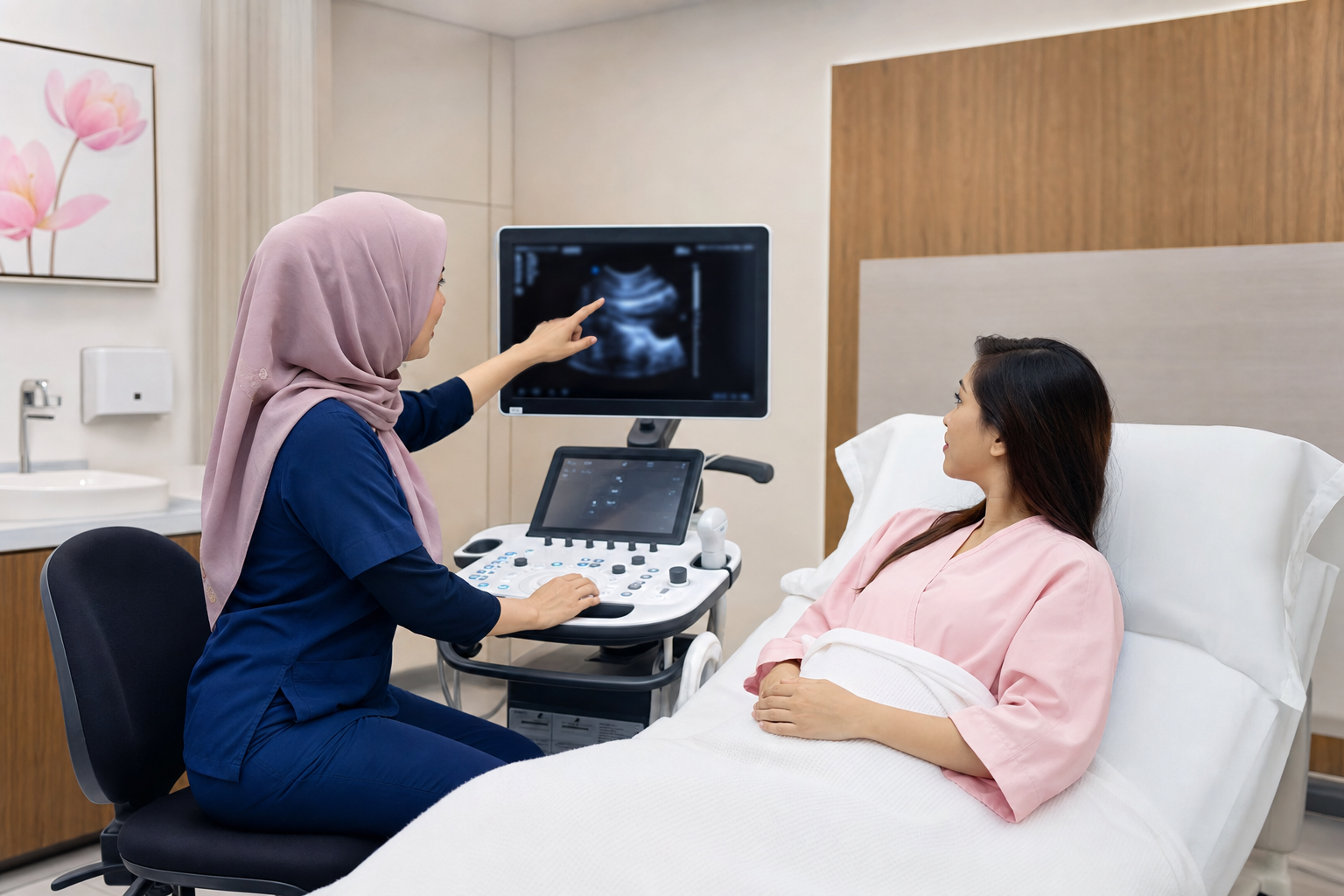
Ultrasound can examine the uterus, lining, ovaries and pelvic structures. The route may be abdominal or transvaginal. Ask about preparation, privacy and alternatives. CMH lists abnormal vaginal bleeding, pelvic masses, hysteroscopy, colposcopy and gynaecological surgery among its stated interests, but the appropriate sequence depends on individual findings.
Further tests and treatment choices
Depending on age, bleeding pattern and risk, further assessment may include hysteroscopy or endometrial sampling. These tests answer different questions and should be explained before consent. MRI or other imaging is reserved for selected situations. Ask what a proposed test could confirm, its limitations and how the result would change treatment.
Treatment can include observation, iron therapy, pain relief, hormonal or non-hormonal medicine, contraception, a procedure or surgery. Discuss benefits, side effects, fertility goals and recovery. A hysterectomy is not the only treatment for every bleeding problem, and less invasive options may or may not fit the cause. Shared decisions require a clear diagnosis and patient priorities.

When to seek urgent care
Seek urgent medical care when heavy bleeding is accompanied by fainting, chest pain, breathlessness, marked weakness or dizziness. Severe or rapidly worsening pelvic pain, especially with possible pregnancy, shoulder-tip pain or collapse, can indicate a pregnancy emergency. Fever, vomiting and significant pain may also require prompt assessment.
Do not wait for a scheduled appointment if you feel unstable. Use an appropriate emergency service and follow its instructions. Stable but persistent bleeding, pain or postmenopausal spotting should still be assessed through a planned pathway even when symptoms are not severe.
Track impact as well as symptoms
A symptom diary should include more than dates. Record missed work or school, interrupted sleep, inability to exercise, pain during sex, frequent bathroom access and the need to change plans. Note fatigue, concentration difficulty and breathlessness that may relate to anaemia. These functional effects help the clinician judge severity and treatment benefit. After treatment begins, continue the same record for an agreed period so improvement can be measured against the original pattern rather than a single good or bad day.
If tests identify a common condition, ask whether it fully explains the symptoms and whether any finding is incidental. Pelvic care often requires reviewing the uterus, ovaries, urinary tract, bowel, muscles and nerves rather than focusing on one scan image. Persistent symptoms after an initial treatment deserve reassessment, not automatic escalation to surgery. A stepwise plan can define the first treatment, review date, alternative options and red flags, allowing the patient to participate without having to choose from an overwhelming list all at once.
Anaemia deserves its own follow-up when bleeding has been heavy or prolonged. Ask whether blood count and iron testing are appropriate, how replacement should be taken and when levels will be rechecked. Treating anaemia can improve fatigue while the underlying cause of bleeding is investigated, but it does not remove the need to control ongoing blood loss. Report worsening breathlessness, chest discomfort, faintness or inability to manage normal activity promptly.
Symptoms can change between booking and the appointment. Update the clinic if bleeding becomes much heavier, pain becomes severe, pregnancy is possible or new dizziness, fever, vomiting or fainting occurs. The service may redirect you to urgent care, bring the appointment forward or provide preparation instructions. Do not minimise symptoms because an appointment already exists. Triage depends on the current situation, and a plan made for stable symptoms may no longer be appropriate after a rapid change. Keep transport and emergency contact options readily available when symptoms are unpredictable or worsening.
Frequently asked questions
Are irregular periods always caused by PCOS?
No. Ovulation changes have many possible causes, including life stage, thyroid problems, stress, weight change, medication and other conditions. Assessment should consider the full pattern.
Can fibroids cause heavy bleeding?
They can, but their location and size matter, and another cause may coexist. An ultrasound finding must be interpreted alongside symptoms and examination.
Does postmenopausal spotting need review if it happened once?
Yes. Even a small amount of bleeding after menopause should be discussed with a healthcare professional so appropriate assessment can be arranged.
Should I stop hormonal contraception before the visit?
Do not stop it without advice. Record the product, start date and bleeding changes so the clinician can judge whether it may be contributing and discuss alternatives safely.
Planning your next step
- Review women’s health and gynaecology services in Seremban as a service starting point, then contact the hospital to confirm the appropriate specialist, appointment requirements and current availability.
Abnormal bleeding and pelvic pain are patterns to investigate, not diagnoses to guess. Track what happens, consider pregnancy and medication context, and ask how each examination or test narrows the possibilities. Timely assessment supports both reassurance and treatment, while severe symptoms require an urgent pathway.
This article provides general education and does not replace an individual medical assessment. Seek urgent medical care for severe, sudden or rapidly worsening symptoms.