

Kidney disease is often discovered through blood or urine testing before a person feels unwell. When symptoms do appear, they can be vague and may overlap with heart, liver, urinary or medication-related problems. Swelling, tiredness, changes in urination and difficult-to-control blood pressure deserve medical attention, but none of them proves kidney disease on its own. A nephrologist is a physician who specialises in kidney function, kidney disease, electrolyte and blood-pressure problems, and care that may include dialysis when advanced disease is present. This guide explains common reasons for referral, the importance of eGFR and urine albumin testing, the role of risk factors such as diabetes and hypertension, and how to distinguish a routine specialist review from symptoms that need urgent care.
What this guide covers
- Kidney disease can be silent in its earlier stages.
- Blood and urine trends matter more than one isolated value.
- Diabetes and hypertension are important kidney-risk factors.
- Bring medicine lists and previous laboratory results.
- Seek urgent care for severe breathlessness, confusion or rapidly worsening illness.
Why kidney disease may have no early symptoms
The kidneys have substantial reserve, so a gradual reduction in function may not create obvious symptoms at first. Many people learn about a possible problem after a blood test shows a reduced estimated glomerular filtration rate, known as eGFR, or a urine test detects albumin. A single abnormal result may require confirmation because hydration, acute illness, medication and laboratory variation can affect measurements.
This is why trends matter. Bring earlier creatinine, eGFR and urine results when available and note any illness around the time of testing. The clinician will consider whether the change is acute or chronic, how quickly it is progressing and whether another condition could explain it. Early assessment can create time to treat reversible causes and reduce risks that contribute to progression.
Changes in urine that deserve attention
Visible blood in urine, persistent foaming, a major change in urine amount or repeated nighttime urination should be discussed with a healthcare professional. These symptoms have several possible causes. Blood may arise anywhere in the urinary tract, while foam can occur for reasons other than protein. Testing is needed rather than relying on appearance alone.
Pain or burning with urination, fever and flank discomfort can suggest infection or another urinary problem and may require prompt treatment. An inability to pass urine is urgent. Nephrologists often work alongside primary-care doctors and urologists; the most appropriate specialist depends on whether the main concern involves kidney filtration, infection, obstruction, stones or urinary anatomy.
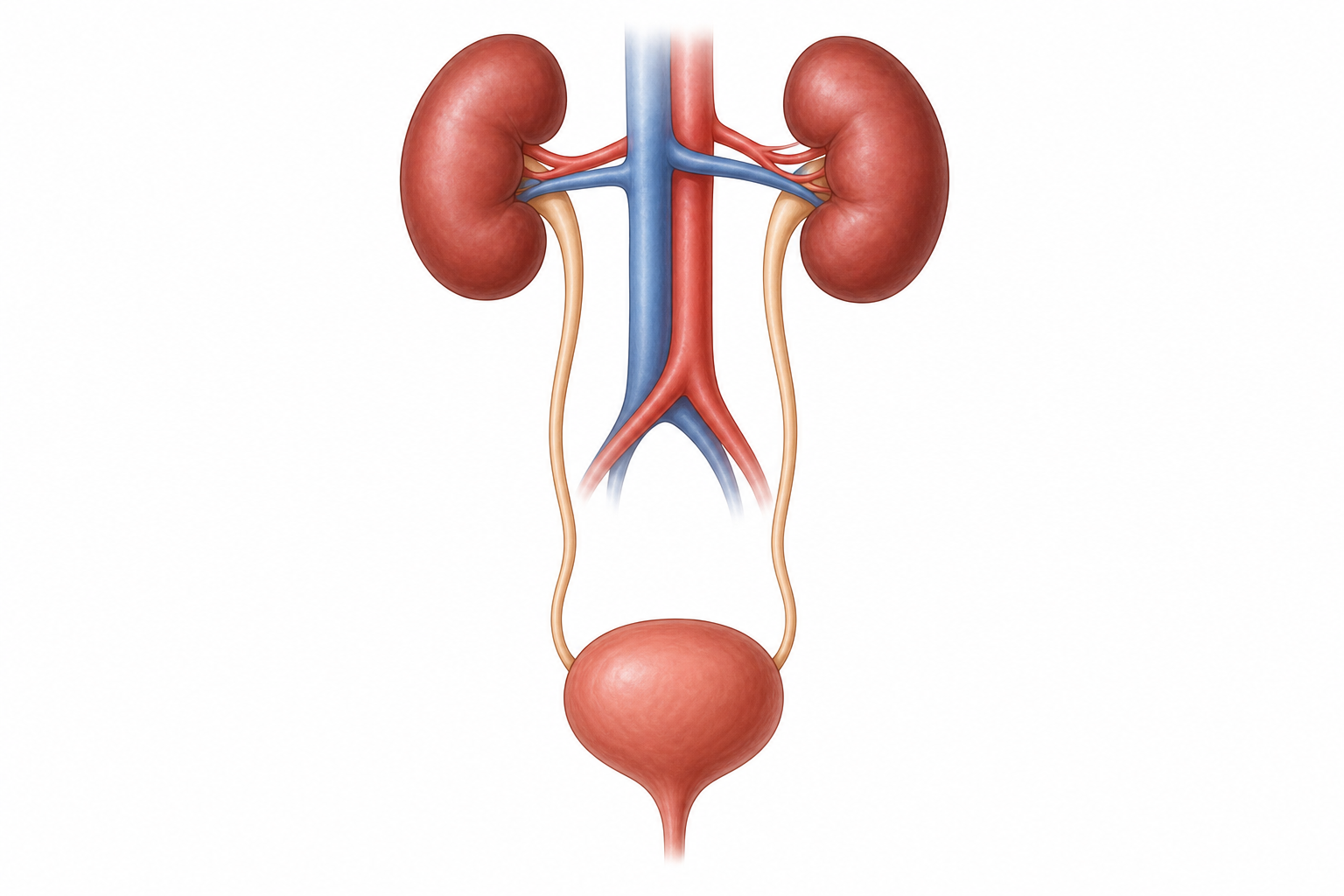
Swelling, breathlessness and fluid balance
Swelling around the ankles, legs or eyes can occur when the body retains salt and water or loses protein in urine, but heart, liver, vein and medication-related causes are also possible. Record whether swelling affects one or both sides, changes during the day and occurs with rapid weight gain or breathlessness. Sudden one-sided swelling needs a different assessment from gradual swelling on both sides.
Do not start water tablets, restrict fluid aggressively or increase fluid intake without individual advice. Fluid recommendations vary widely according to kidney function, heart health, sodium level and current treatment. Severe breathlessness, chest discomfort, confusion or rapidly increasing swelling requires urgent assessment rather than waiting for a routine nephrology appointment.
Diabetes and high blood pressure
Diabetes and hypertension are major risk factors for chronic kidney disease. High blood glucose can damage kidney filters over time, while high blood pressure can both contribute to kidney damage and result from it. Kidney assessment therefore includes more than the creatinine number. Blood-pressure patterns, urine albumin, diabetes control, cardiovascular risk and medication tolerance all influence the plan.
Bring a reliable home blood-pressure log if you have one, including the time and technique used. List diabetes medicines and recent HbA1c results. Some kidney-protective strategies also affect blood pressure, potassium or fluid balance, so monitoring matters. Treatment targets should be individualised rather than copied from another person’s plan.
Medicines, supplements and kidney safety
Kidney function influences how the body handles many medicines. Bring every prescription, over-the-counter product, traditional remedy and supplement you use. Mention painkillers, antacids, vitamins, protein or herbal products and medicines obtained without a prescription. Do not hide products because you expect criticism; accurate information helps the clinician identify interactions and avoid harm.
Do not stop blood-pressure, diabetes or other prescribed treatment on your own. Some medicines can cause a small expected laboratory change while still offering long-term benefit, whereas others may need adjustment during dehydration or acute illness. The nephrologist should explain what to continue, what requires monitoring and which situations need temporary review.

What a nephrology assessment may include
The clinician may review creatinine and eGFR trends, urine albumin or protein, urine microscopy, electrolytes, blood count, calcium and other targeted tests. Ultrasound can examine kidney size, structure and possible obstruction when indicated. Further testing depends on the suspected cause. More tests are not automatically better; each should answer a clinical question.
CMH’s profile for Dr Maheswaran Kalimuthu identifies him as a consultant physician and nephrologist with stated interests that include early kidney-disease detection, prevention of progression, glomerular disease, diabetes and hypertension, haemodialysis, ultrasound-guided kidney biopsy and dialysis access. Patients should confirm which services fit their own referral and current availability directly with the hospital.
Urgent kidney-related warning signs
Seek urgent medical care for very little or no urine accompanied by illness, severe breathlessness, chest pain, confusion, fainting, rapidly worsening swelling, persistent vomiting or signs of severe infection. Visible blood with clots, severe flank pain, inability to urinate or a significant decline after dehydration may also require prompt assessment.
People with known advanced kidney disease should follow the emergency plan provided by their care team, particularly for missed dialysis, access problems, fever or severe symptoms. Routine clinic preparation is appropriate for stable laboratory abnormalities and chronic symptoms, but not for rapid deterioration.
Understand risk even when you feel well
Kidney assessment is often about future risk rather than immediate symptoms. Ask the clinician to explain how eGFR category, urine albumin, blood pressure, diabetes and the rate of change work together. Two people with the same eGFR may have different risks because their urine results, age, medical history and trend differ. Understanding this prevents both false reassurance and unnecessary alarm. It also makes preventive treatment easier to follow because the goal is connected to a measurable risk rather than a vague instruction to protect the kidneys.
Create a monitoring record that includes the test date, laboratory, creatinine, eGFR, urine albumin result, blood pressure and major medication changes. Add hospital admissions, infections and dehydration episodes. Bring the record to primary-care and specialist visits so decisions remain coordinated. Ask which clinician is responsible for repeat testing and cardiovascular risk management. Kidney disease and heart disease are closely linked, so care may involve several professionals; a shared, accurate record helps prevent conflicting instructions and missed follow-up.
People with stable early disease may feel that follow-up is unnecessary because they have no pain, yet the absence of symptoms is precisely why scheduled testing matters. Ask how often results should be repeated and what degree of change is clinically meaningful. At the same time, avoid checking too frequently without advice, because small fluctuations can create anxiety without improving decisions. A planned interval balances early detection with the natural variability of laboratory measurements.
When laboratory results are abnormal after an acute illness, arrange the repeat testing recommended by the clinician rather than assuming recovery is complete. Temporary kidney injury can improve, remain abnormal or reveal previously unrecognised chronic disease. Follow-up confirms the direction of change and allows medicines or fluid advice to be adjusted. Keep the discharge summary and result dates because the nephrologist may need to compare the acute episode with the person’s usual baseline.
Frequently asked questions
What is the difference between a nephrologist and a urologist?
A nephrologist is a physician focusing on kidney function and medical kidney disease. A urologist is a surgeon focusing on urinary anatomy and procedures. Some problems require both specialties.
Does a low eGFR always mean permanent kidney disease?
No. A result may be affected by acute illness, hydration and other factors. Chronic kidney disease generally requires persistence or other evidence of kidney damage, so trends and clinical context matter.
Should I drink more water before kidney tests?
Do not force fluid intake unless instructed. Appropriate hydration depends on the clinical situation, and excessive fluid can be harmful for some heart or kidney conditions.
Can kidney disease improve?
Some acute causes are reversible, while chronic disease is often managed by slowing progression and treating complications. The likely course depends on the cause, stage and response to treatment.
Planning your next step
- Review nephrologist Seremban as a service starting point, then contact the hospital to confirm the appropriate specialist, appointment requirements and current availability.
Kidney concerns are best assessed through patterns rather than assumptions. Symptoms, blood results, urine findings, blood pressure, medicines and medical history must be interpreted together. Early review is particularly valuable for people with diabetes, hypertension, protein in urine or declining eGFR, while severe or rapidly worsening illness belongs in an urgent-care pathway.
This article provides general education and does not replace an individual medical assessment. Seek urgent medical care for severe, sudden or rapidly worsening symptoms.