
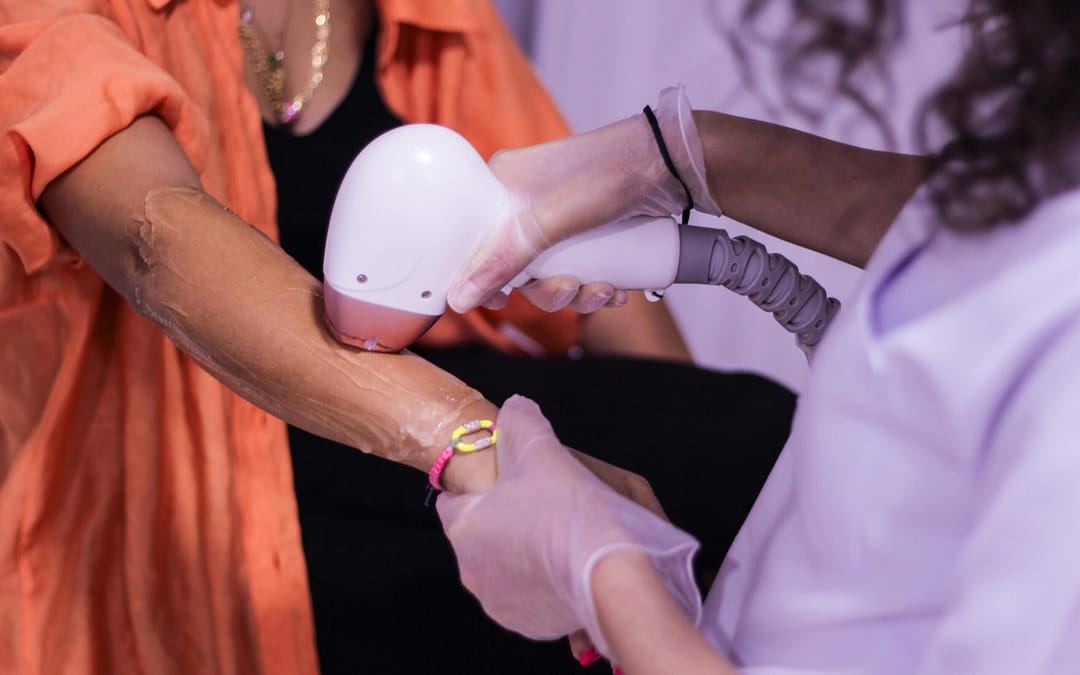
If you’re thinking about laser hair removal, pick a doctor who is certified in a field like dermatology or cosmetic surgery and has experience with laser treatments on your skin type. If a physician assistant or a licensed nurse is doing the procedure, make sure a doctor is watching and available on-site during the treatment. Be careful with spas, salons, or other places that let non-medical staff do laser hair removal.
Before starting laser hair removal, talk to your doctor to see if it’s right for you.
Your doctor will probably do the following:
Check your medical history, including any medications you’re taking, past skin issues, scarring, or previous hair removal methods.
Talk about the risks, benefits, and what to expect, including what laser hair removal can and can’t do for you.
Take photos to use for before and after comparisons and for long-term tracking.
Discuss a treatment plan and the costs involved.
Laser hair removal is usually paid for out of pocket.
Your doctor will also give you specific advice to prepare for the procedure.
These might include:
Avoiding The Sun
Follow your doctor’s advice on how to stay out of the sun before and after treatment. Whenever you go outside, wear broad-spectrum sunscreen with SPF 30.
Not Darkening Your Skin
Don’t use sunless tanning products that make your skin darker. Your doctor may also prescribe a skin-lightening cream if you have a recent tan or darker skin.
Stopping Other Hair Removal Methods
Plucking, waxing, and electrolysis can mess up the hair follicles and should be avoided at least four weeks before treatment.
Avoiding Blood-Thinning Medications
Ask your doctor about any medications, like aspirin or anti-inflammatory drugs, you should avoid before the procedure.
Shaving The Treatment Area
It’s best to trim or shave the day before the laser treatment. This removes hair above the skin to prevent surface burns, but leaves the hair shaft under the skin intact.
What You Can Expect?
Laser hair removal usually needs two to six treatments.
The time between treatments varies based on where you’re treating. On areas where hair grows quickly, like the upper lip, you might need treatment every four to eight weeks. On areas with slower hair growth, like the back, treatments might be every 12 to 16 weeks.
Each time you get treatment, you’ll wear special goggles to protect your eyes from the laser light.
An assistant may shave the area again if needed. The doctor may put on a numbing cream to help with any discomfort during the treatment.
During The Procedure
The doctor will hold a laser device against your skin.
Depending on the type of laser, there might be a cooling device on the tip or a cool gel used to protect your skin and reduce side effects.
When the laser is turned on, the light goes through your skin to the hair follicles.
The heat from the laser damages the follicles, which stops hair growth. You might feel a warm pinprick or a cool sensation from the cooling device or gel.
Treating a small area like the upper lip can take just a few minutes.
Treating a larger area like the back may take more than an hour.
After The Procedure
You might see redness and swelling for a few hours after the treatment.
To ease any discomfort, apply ice to the treated area.
If you have a skin reaction right after treatment, your doctor may put on a steroid cream.
After laser hair removal in Singapore and between treatments, avoid sun exposure and don’t use a tanning bed for six weeks or as your doctor says.
Use a broad-spectrum SPF 30 sunscreen every day.
Results
Hairs don’t fall out right away, but they’ll shed over days or weeks.
This may look like more hair is growing. More treatments are usually needed because hair grows and falls out in cycles, and laser treatment works best when the hair is in the active growth stage.
Results can vary a lot and are hard to predict.
Most people see hair reduction that lasts several months, and it might last for years. But laser hair removal doesn’t guarantee permanent results. When hair grows back, it’s usually thinner and lighter in color.
You may need follow-up treatments for long-term hair reduction.