
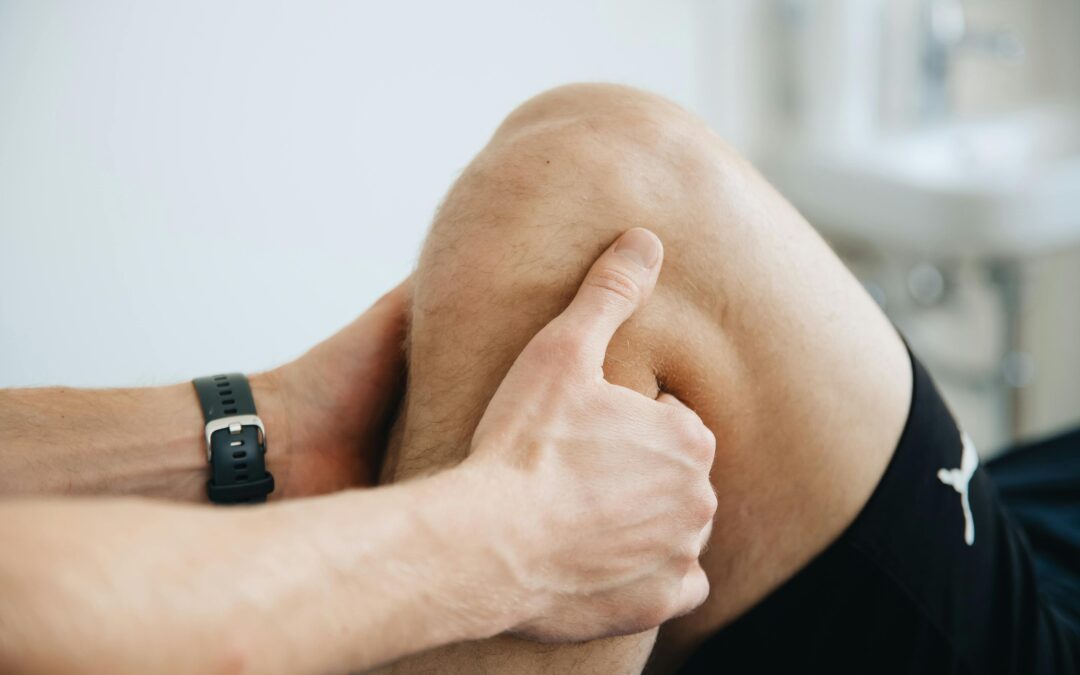
Enhancing the muscles surrounding your knee will increase its stability. Your physician might suggest physical therapy or various strengthening routines tailored to the particular issue that’s leading to your discomfort.
For those who engage in physical activities or sports, it might be necessary to perform exercises that rectify movement patterns impacting your knees and to develop proper techniques during your sport or activity. Additionally, routines aimed at enhancing flexibility and balance are crucial.
Arch supports, which may include wedges on one side of the heel, can assist in redirecting pressure from the knee area predominantly affected by osteoarthritis. Under certain circumstances, various types of braces could be employed to safeguard and offer support to the knee joint.
Injections
In certain situations, your physician could propose administering medications or other substances directly into your joint. These include:
Corticosteroids. Injecting a corticosteroid medication into your knee may alleviate arthritis flare symptoms and offer pain relief that could persist for several months. These injections do not yield results for everyone.
Hyaluronic Acid. This viscous fluid, akin to the natural lubricant found in joints, can be injected into the knee to enhance mobility and reduce pain. Although research outcomes have varied regarding its effectiveness, relief from a single or several injections might last up to six months.
Platelet-Rich Plasma (PRP). PRP is rich in numerous growth factors that seem to diminish inflammation and encourage healing. Some studies suggest that PRP may help individuals with osteoarthritis, but further research is required. Also read Knee Injection singapore for more information.
Surgery
If you have an injury that might need surgical intervention, it is generally unnecessary to proceed with the surgery right away. Reflect on the advantages and disadvantages of both non-surgical rehabilitation and surgical reconstruction in terms of what is most significant to you. Should you decide to go for surgery, your alternatives might comprise:
Arthroscopic Surgery. Based on your injury, your doctor may utilize a fiber-optic camera and narrow instruments inserted through small cuts around your knee to examine and fix joint damage. Arthroscopy could involve the removal of loose fragments from the knee joint, fixing or taking out damaged cartilage (especially if it causes your knee to lock), or reconstructing torn ligaments.
Partial Knee Replacement Surgery. This technique involves your surgeon substituting only the most severely damaged part of your knee with metal and plastic components. The procedure is typically performed via small incisions, allowing for a faster recovery compared to a full knee replacement.
Total Knee Replacement. This procedure consists of your surgeon removing damaged bone and cartilage from the thighbone, shinbone, and kneecap, replacing it with an artificial joint constructed from metal alloys, high-grade plastics, and polymers.