

Dialysis is a treatment for people whose kidneys aren’t working properly. When the kidneys stop working, they can’t filter blood as they should. This means waste and toxins build up in the blood. Common wastes include things like nitrogen waste (urea), muscle waste (creatinine), and acids. These usually leave the body through urine. Dialysis takes over the job of the kidneys by removing waste and extra fluids from the blood.
Why Do People Need Dialysis?
People with late-stage kidney disease, end-stage kidney disease (ESKD), or kidney failure may need dialysis.
Conditions like high blood pressure, diabetes, and lupus can damage the kidneys and lead to kidney disease. Sometimes, the cause of kidney problems is unknown. Kidney failure can develop over time (chronic) or suddenly (acute) after a serious illness or injury. Acute kidney failure might get better.
Kidney disease has five stages.
In stage 5, the kidneys are not working at less than 15% of their normal function. At this point, dialysis or a kidney transplant may be needed to live. Some people start dialysis while waiting for a transplant.
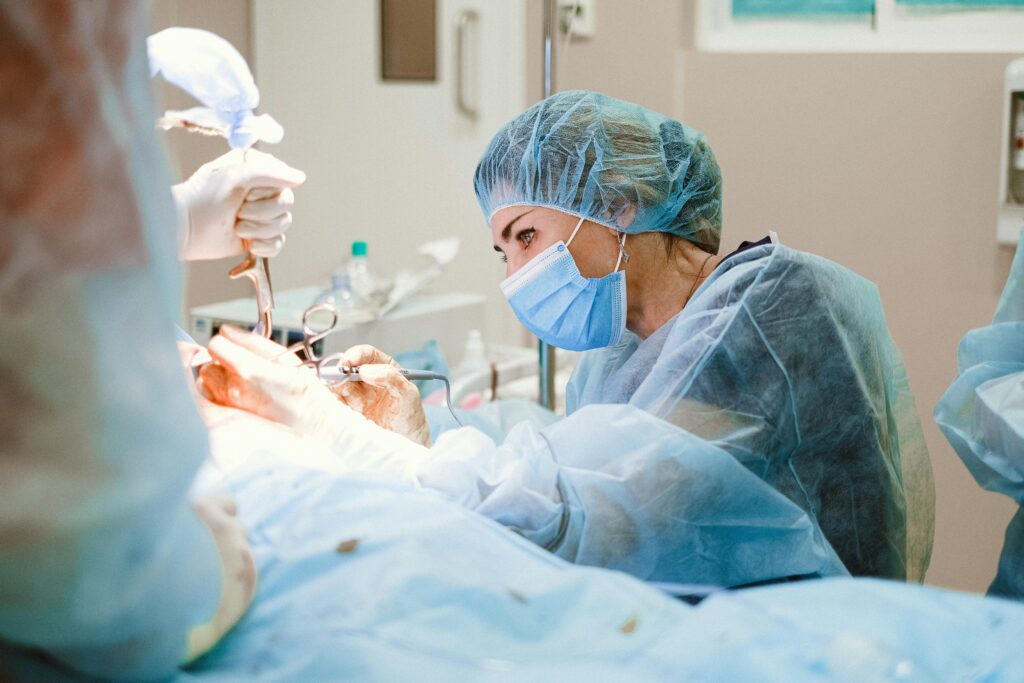
Is Going On Dialysis Serious?
Yes, dialysis is a big deal.
If someone needs dialysis and decides not to start or stops treatment, toxins will build up in the blood, leading to a condition called uremia. Without treatment, kidney failure is life-threatening. A person with kidney failure might not live more than a few days or weeks without dialysis.
How Common Is Dialysis?
Dialysis is very common.
Millions of people worldwide use dialysis or a kidney transplant to treat kidney disease.
What Are The Types Of Dialysis?
There are two types: hemodialysis and peritoneal dialysis.
What Is Hemodialysis?
Hemodialysis is the most common type.
It uses a machine that:
– Takes blood from your body, usually from an arm vein
– Filters the blood through an artificial kidney (dialyzer)
– Returns the clean blood to your body
You can get hemodialysis at best dialysis centre seremban or at home.
Most people go to a center at least three times a week. Some may do it at home three to seven days a week, with sessions lasting three to eight hours. Before starting hemodialysis, a doctor enlarges blood vessels in the arm to make the treatment easier and faster.
What Is Peritoneal Dialysis?
Peritoneal dialysis uses the lining of the abdomen (peritoneum) to filter the blood.
A special solution called dialysate is put into the abdomen. It helps filter waste from the blood, and then the solution is drained out. This is called an exchange.
There are two main types of peritoneal dialysis:
– Continuous Ambulatory Peritoneal Dialysis (CAPD): This uses gravity to slowly move the dialysate into the abdomen and then drain it.
Each session takes about 30 minutes, and you do this three to five times a day.
– Automated Peritoneal Dialysis (APD): This uses a machine to automatically add and drain the dialysate.
Each cycle includes three to five exchanges. Most people use APD while they’re asleep.
Before starting peritoneal dialysis, a doctor will put a soft tube (catheter) into the abdomen.
You will be taught how to add and drain the dialysate through the catheter.
How Long Does Dialysis Last?
The duration varies depending on the type of dialysis.
– In-center hemodialysis takes about three to four hours and is usually done three times a week.
– At-home hemodialysis may take three to eight hours, done three to seven days a week.
– Continuous ambulatory peritoneal dialysis takes about 40 minutes with three to five sessions a day.
– Automated peritoneal dialysis may take eight to 12 hours each day.
What Are The Benefits Of Dialysis?
Dialysis helps treat kidney failure by removing waste and extra fluids from the blood.
Without dialysis or a transplant, kidney failure is deadly. Both types of dialysis have their own advantages. Talk to your healthcare provider to find out which option works best for you.
Can Kidneys Start Working Again After Dialysis?
Dialysis doesn’t cure end-stage kidney disease or kidney failure.
Unless you get a transplant, you will need dialysis for life.
What Are The Risks Or Complications Of Dialysis?
Both types of dialysis have risks.
They both increase the chance of infection.
Hemodialysis can sometimes lead to poor blood flow or blockage due to scar tissue or blood clots.
Rarely, the needle might come out or a tube might detach. But the machine has a system to stop this and warn medical staff.
Peritoneal dialysis increases the risk of peritonitis, which is inflammation of the abdominal lining.
Over time, it can weaken your abdominal muscles and raise the risk of a hernia.
Talk to your healthcare provider about all the possible risks and complications for each type of dialysis.
Is Dialysis Painful?
During hemodialysis, you might feel a slight pinch when the needle is inserted, but it’s not painful.
Peritoneal dialysis isn’t painful, but the solution in your abdomen can make you feel bloated, cold, and uncomfortable.