
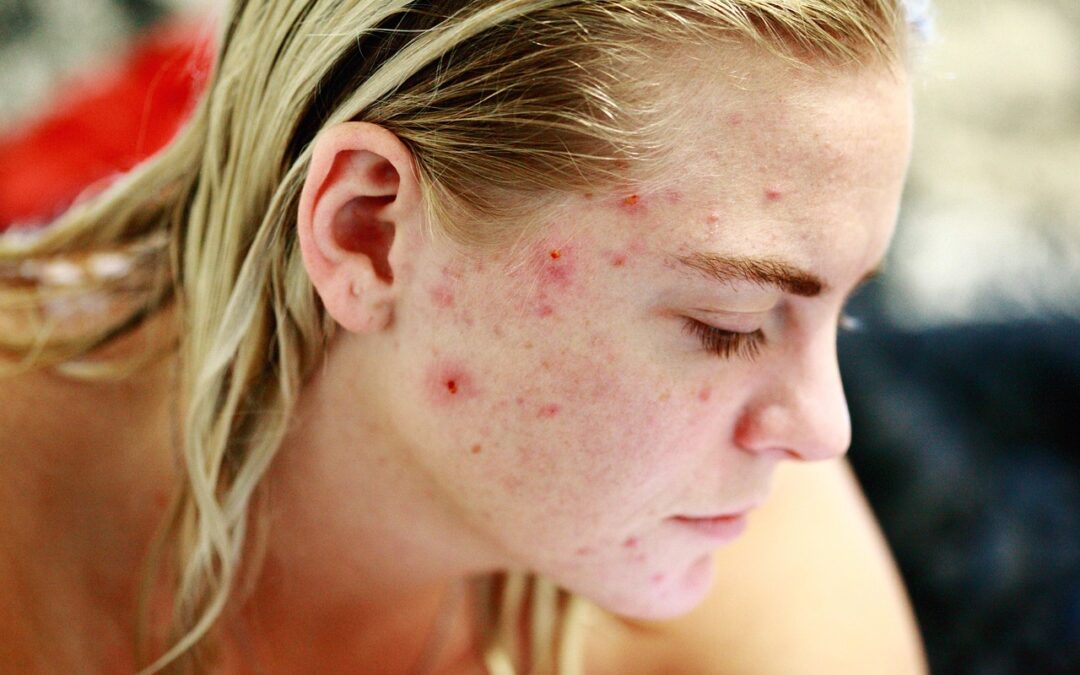
Acne breakouts, often referred to as pimples, occur when the skin’s hair follicles, also known as pores, become obstructed with oil and dead skin. When a follicle is blocked, it creates an ideal environment for bacteria to thrive, leading to the formation of red bumps and pus-filled lesions commonly called pimples.
What Are The Various Types Of Acne?
Acne appears in several varieties:
Mild Acne: this results in whiteheads or blackheads that many individuals experience at some time
moderate acne: this can lead to inflamed red bumps, referred to as papules, and red pimples with white tops, known as pustules
Severe Acne: this can create painful, pus-filled lumps beneath the skin, termed nodules
Greater scarring tends to arise from the more severe types of acne, with nodules being more likely to result in lasting scars compared to other forms.
The most effective strategy is to seek treatment for acne promptly upon its emergence to avoid further severe outbreaks and additional scarring. If you are dealing with nodules, consult your healthcare provider or dermatologist for assistance.
Addressing Acne Scars
Typically, the reddish or brownish marks that remain after the resolution of pimples will fade on their own without intervention. However, picking or popping acne can heighten the chance of scarring.
Acne scars can manifest in two basic types:
scars that have a gradual indentation (often called “rolling” scars)
scars that are deep and narrow
Before addressing scars, it is crucial for a person’s acne to be managed effectively.
Mild vs. Severe Scarring
Acne scar treatment singapore options vary depending on the severity of the scarring. In some instances, a healthcare professional may recommend a chemical peel or microdermabrasion to enhance the look of the affected areas. These less invasive procedures can typically be performed in an office setting.
For more pronounced scarring resulting from past acne flare-ups, a variety of treatments may offer relief:
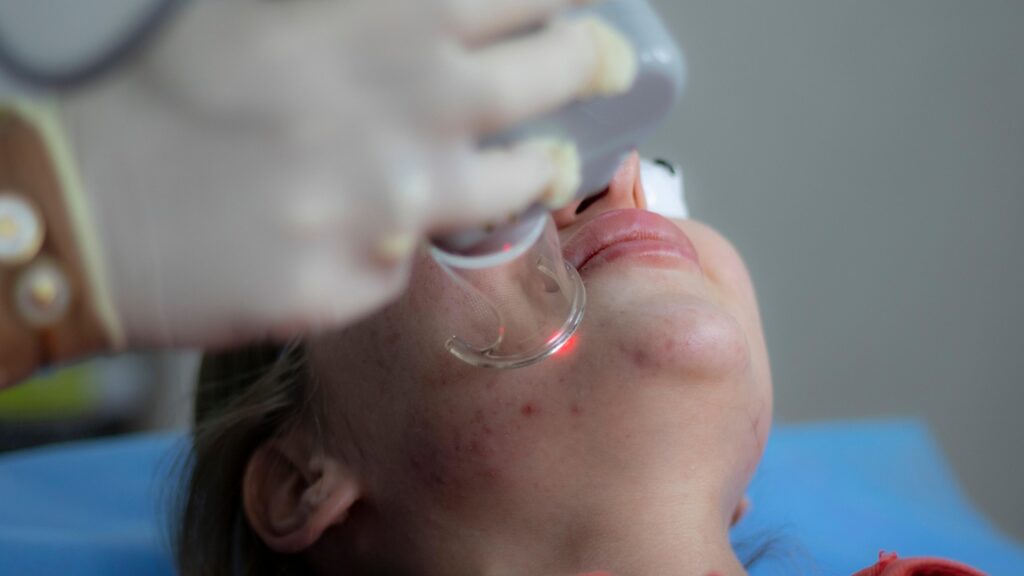
Laser Resurfacing
This procedure occurs at a doctor or dermatologist’s office and involves the laser eliminating the damaged surface of the skin while tightening the underlying layer, resulting in a smoother complexion. The duration can range from a few minutes to an hour, and the physician will often numb the area with local anesthetics to minimize discomfort. Complete healing can take between 3 and 10 days.
Dermabrasion
This method utilizes a rotating wire brush or a spinning diamond tool to abrade the skin’s top layer. As the skin heals, a new and smoother layer forms in place of the abraded skin. Healing time for dermabrasion tends to be longer, spanning from 10 days to 3 weeks.
Fractional Laser Therapy
This treatment penetrates more deeply than laser resurfacing or dermabrasion. Since fractional laser therapy does not damage the outer skin layer, the recovery period is shorter. A person undergoing this treatment may appear slightly sunburned for a few days post-procedure.