
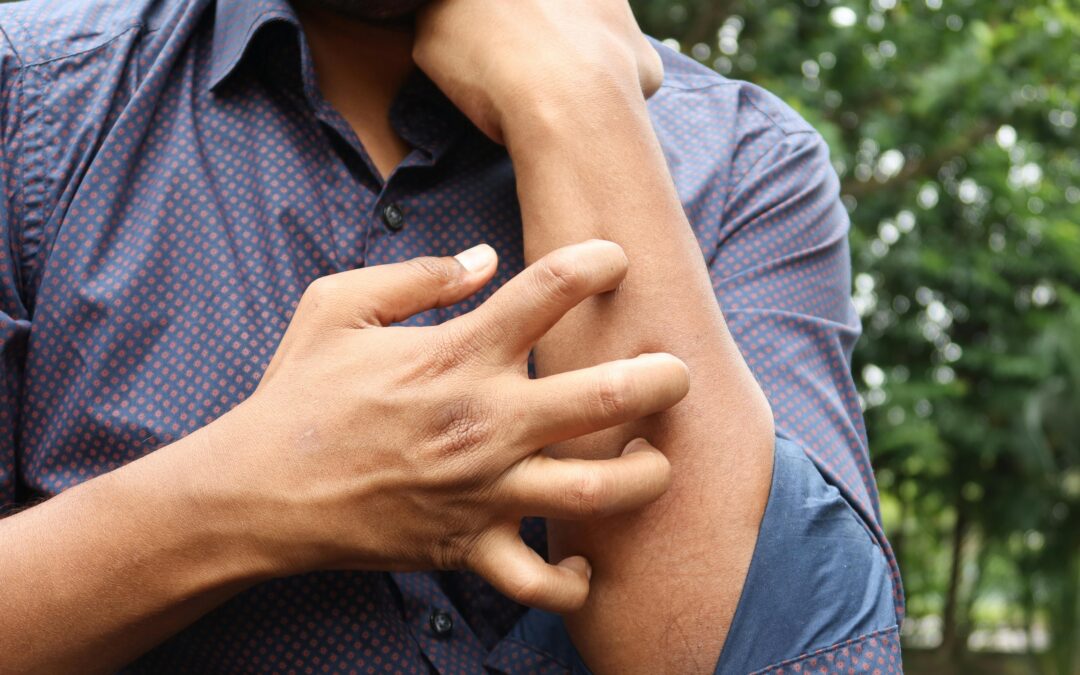
How Is Eczema Diagnosed?
A healthcare provider will diagnose eczema after examining your skin closely during a physical exam.
Eczema is often diagnosed in children, but it can happen at any age when symptoms appear.
The symptoms of eczema can look like those of other skin conditions.
Your provider may do tests to make sure it’s not something else and to confirm eczema. These tests might include:
An allergy test.
Blood tests to check for other possible causes of the rash, not related to eczema.
A skin biopsy to tell the difference between different types of skin conditions.
What Questions Might My Healthcare Provider Ask To Diagnose Eczema?
Your healthcare provider might ask these questions to understand your symptoms better, such as:
Where on your body do you have symptoms?
Did you try any products to treat your skin?
Do you have any other medical conditions like allergies or asthma?
Is there a family history of eczema?
How long have you had these symptoms?
Do you take hot showers?
Is there anything that makes your symptoms worse?
Have you noticed anything that triggers your symptoms, like certain soaps or detergents?
Do your symptoms affect your ability to sleep or do your daily activities?
Who Diagnoses Eczema?
A primary care provider may refer you to a dermatologist to diagnose and treat eczema.
A dermatologist is a specialist who treats skin conditions. Also read Eczema Clinic in Singapore for more information.
Management And Treatment
How Do I Get Rid Of Eczema?
Your treatment for eczema depends on your specific situation and what causes your symptoms.
Treatment options could include:
Using gentle or sensitive skin moisturizers every day, especially when your skin feels dry.
Apply moisturizer while your skin is still damp after a bath or shower.
Using topical medications, as prescribed by your provider, such as topical steroids.
Taking oral medications, like anti-inflammatory drugs, antihistamines, or corticosteroids, to relieve itching and reduce swelling.
Using immunosuppressant drugs to help manage your immune system.
Trying light therapy to improve your skin’s appearance and clear blemishes.
Avoiding things that trigger eczema flare-ups.
How Do You Treat Childhood Eczema?
If your child has eczema, you can:
Give your child a short, warm bath instead of a long, hot bath, which can dry their skin.
Use moisturizers several times a day.
For babies with eczema, applying moisturizer with each diaper change is very helpful.
Keep the room temperature steady.
Changes in temperature and humidity can dry your child’s skin.
Dress your child in cotton clothes.
Fabrics like wool, silk, or synthetic materials such as polyester can irritate their skin.
Use laundry detergents that are gentle or unscented.
Help your child avoid rubbing or scratching their skin.