
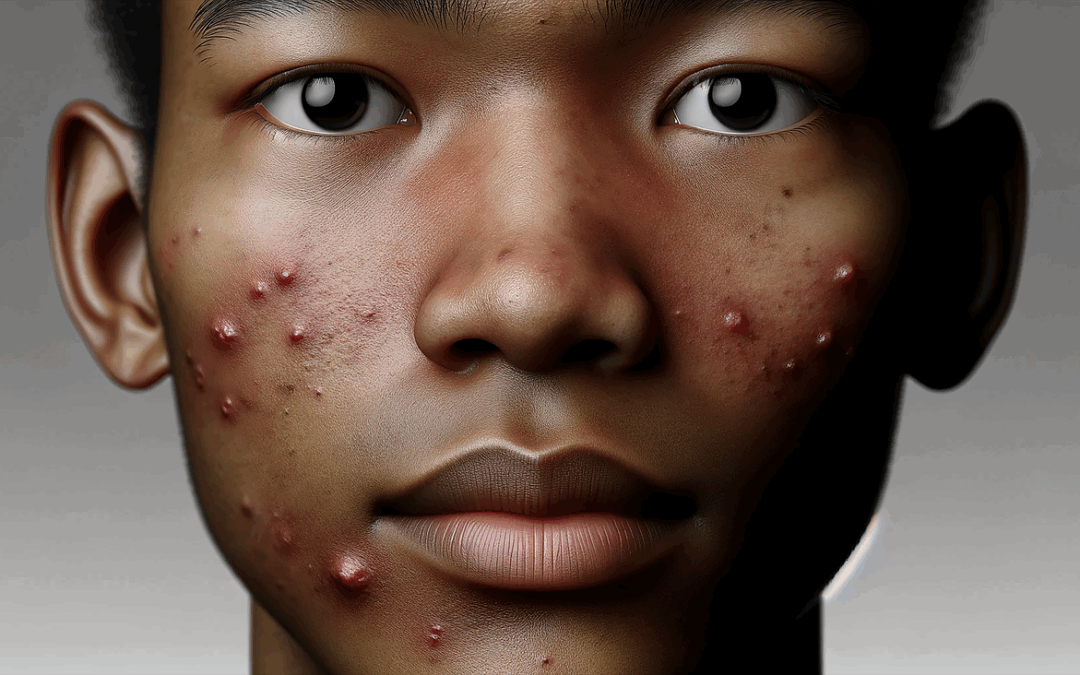
Did you know that treatments for acne and acne scars have existed for ages, long before our current lifestyles and dietary habits came into play? Throughout various literary works — ranging from the Bible to plays by Shakespeare — there are mentions of acne, which was historically referred to as “skin eruptions. ” From ancient biblical times to the era of Shakespeare and into the present, acne has consistently been viewed as odd, unnatural, and even sinister.
This viewpoint often leads to discomfort and diminished self-worth. Over the years, acne has accumulated various interpretations along with numerous names and types, making it difficult to discern which types can lead to scarring and which ones require professional treatment for lasting improvement.
What Is Acne?
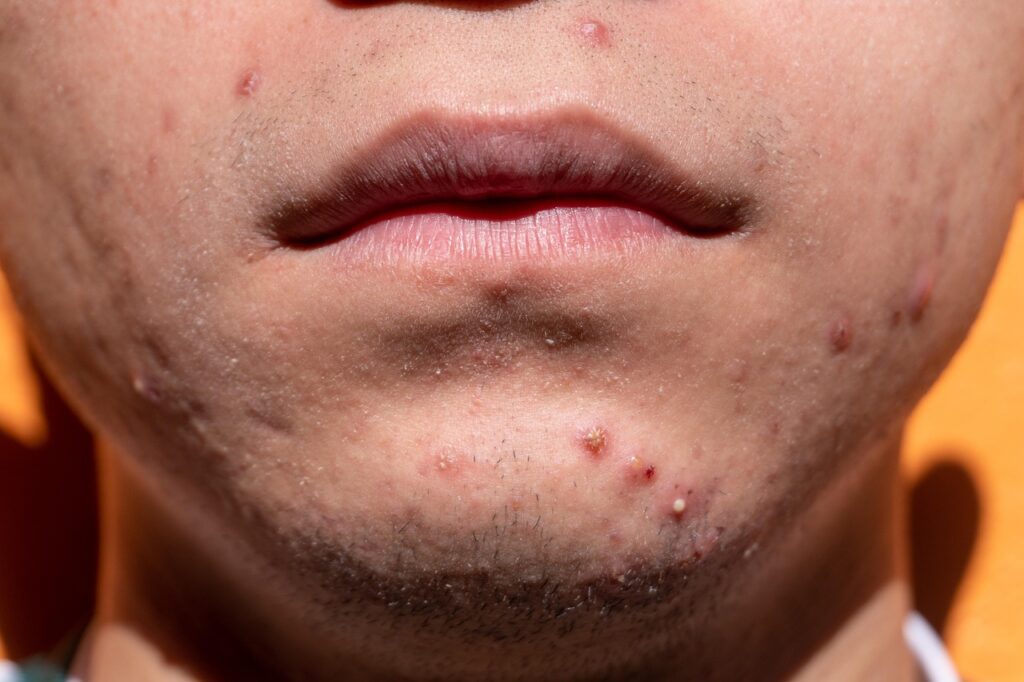
Acne occurs when oil known as sebum and dead skin cells accumulate in the pores of our skin. These pores are small openings in our skin that serve as the starting point for hair growth. Sebum is responsible for keeping our skin and hair moist. When there is an excess of oil, dirt, and dead skin within the pores, they become blocked. This blockage typically results in bumps, pimples, whiteheads, blackheads, blemishes, acne spots, and scars on areas like the face, chest, and back.
Acne scars and spots are not exclusively for teenagers; many adults also experience acne more frequently than presumed.
What Are Acne Scars?
Now that we have an understanding of acne, let’s delve into some related issues. The most prevalent of these issues is acne scars. These are the raised or sunken areas on our skin that remain after acne has fully healed. It’s as if the remnants of acne linger to remind us of its presence. There are primarily two types of these scars:
Hypertrophic acne scars – Also referred to as keloid scars, hypertrophic scars become elevated due to excessive collagen production during the healing process of acne scar treatment singapore. This type of scar is particularly common among individuals with darker skin tones.
Atrophic acne scars – Atrophic scars appear sunken or depressed due to tissue loss during the healing of acne. These can be categorized into icepick, boxcar, and rolling scars.
Who Is Prone To Acne Scars?
The likelihood of developing acne scars increases if:
You have inflammatory acne that is swollen, red, and painful.
You do not seek treatment for inflammatory acne.
You tend to pick at or pop your acne.
You have a family history of acne scars.
What Is A Blemish?
This broad term can encompass issues such as dark spots, age spots, acne marks, wrinkles, freckles, sunburn, and damage from the sun. Thus, any spots or freckles appearing on your skin can generally be classified as blemishes.